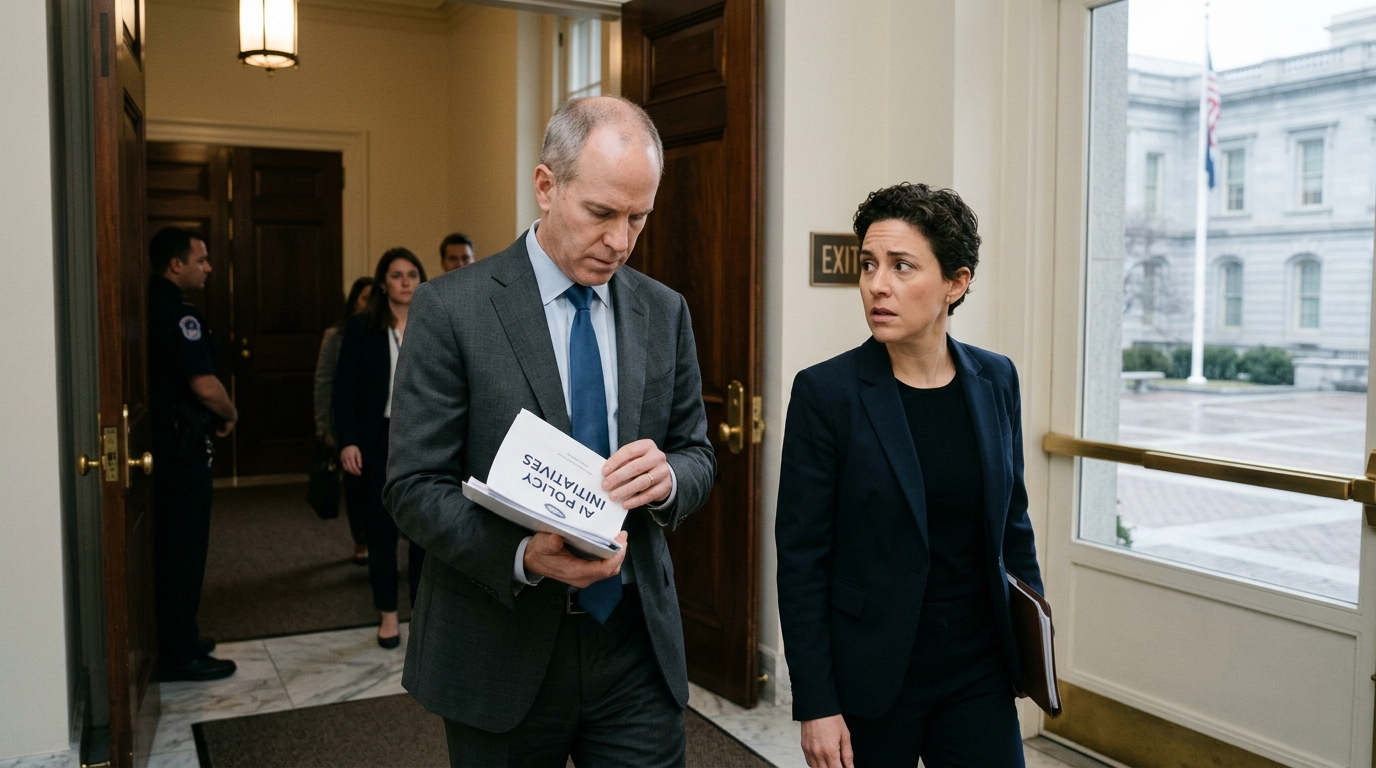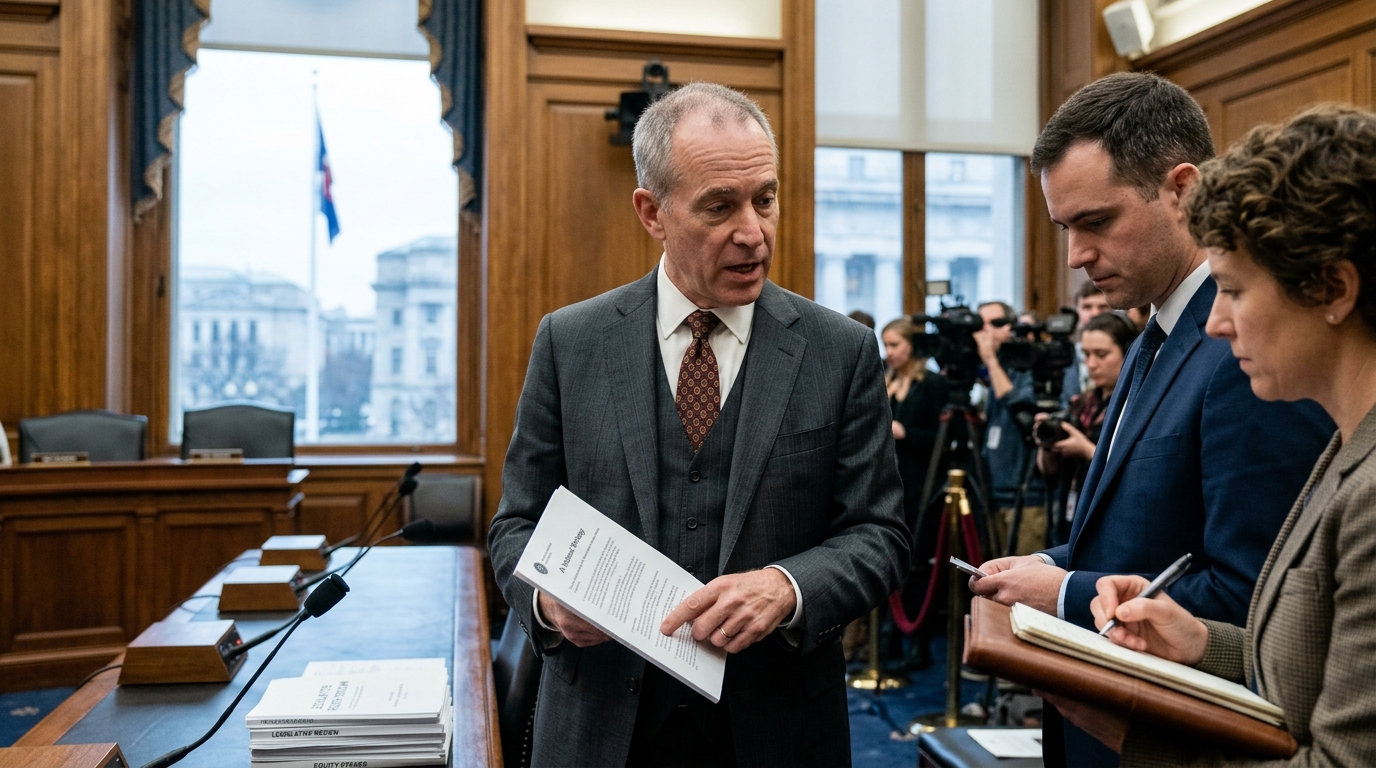
In a move that challenges the traditional American ethos of free-market capitalism, President Donald Trump has revealed that his administration is "looking into" the possibility of the United States government taking direct equity stakes in leading Artificial Intelligence companies. The statement, made during an interview with Reuters, highlights a strategic pivot where Washington views AI not merely as a commercial sector, but as a critical national asset on par with nuclear technology or strategic oil reserves.
The Shift Toward State-Led Innovation
For decades, U.S. technological dominance was built on the foundation of laissez-faire economics and private venture capital. However, the rapid ascent of China and its aggressive state-funding of models like Baidu’s ERNIE or Alibaba’s proprietary systems have shifted the paradigm. Trump’s proposal for "government stakes" suggests that the U.S. may adopt a form of "state capitalism," where the government functions not just as a regulator, but as a primary shareholder.
Washington analysts suggest this move aims to achieve two goals. First, ensuring that cutting-edge algorithms remain under American control, preventing acquisitions by foreign entities. Second, providing the U.S. military and intelligence community with direct, priority access to the most advanced versions of Large Language Models (LLMs) before they are commercialized or released to the public.
Geopolitical Dominance and the AI Arms Race
AI has become the epicenter of a new Cold War. The Trump administration appears to believe that indirect subsidies via tax breaks or the CHIPS Act are no longer sufficient to maintain a lead. "If we are going to invest billions of taxpayer dollars into AI infrastructure, the American people should have a stake in the profits and the control," said a source close to the White House. This approach mirrors the logic of Sovereign Wealth Funds but adds a layer of direct governance over private enterprises.
Silicon Valley’s reaction has been polarized. While some see an opportunity for limitless federal funding, others harbor deep concerns about the loss of corporate autonomy. Companies like OpenAI, Anthropic, and Google are now walking a tightrope, attempting to maintain their independence while becoming increasingly reliant on state contracts and state-controlled energy infrastructure.
Risks and Ethical Quagmires
The prospect of a government holding shares in companies that control the flow of information raises significant questions regarding censorship and political bias. If the state is a shareholder, could it mandate "patriotic" parameters for AI outputs? Could it leverage its position to facilitate domestic surveillance with greater ease?
- Potential market distortion favoring "national champions" over startups.
- The risk of politicizing technical and engineering decisions.
- The creation of a "Digital Iron Curtain" separating Western and Eastern tech ecosystems.
In conclusion, Trump’s proposal signals the end of an era where technology was viewed as a neutral, globalized field. In the world of 2026, AI is synonymous with sovereignty, and sovereignty increasingly demands ownership. The lingering question is whether American innovation can thrive under the protective—or restrictive—embrace of the state.