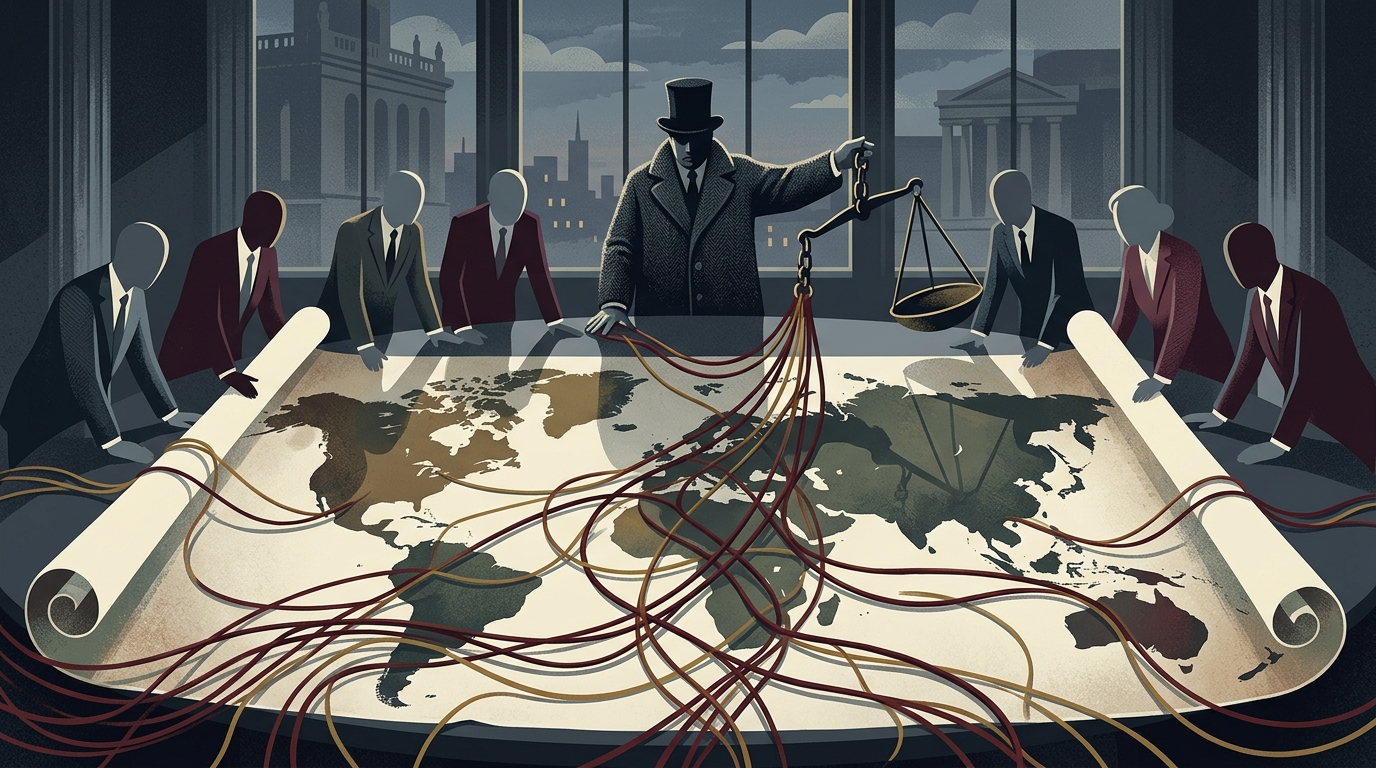
The news of the cancellation of the deal between Meta Platforms and the Chinese giant Tencent for the distribution of Virtual Reality (VR) devices in the Chinese market is not just a business failure; it is the final nail in the coffin of globalized technology as we knew it. For over a decade, Mark Zuckerberg attempted to 'woo' Beijing, from his famous jog in smog-filled Tiananmen Square to learning Mandarin. However, the reality of geopolitical confrontation has proven stronger than Silicon Valley's ambitions.
The Chronicle of a Foretold Failure
The deal stipulated that Tencent would become the exclusive distributor of lower-cost versions of Meta's Quest headsets in China. This would have given Meta access to a market of 1.4 billion people and Tencent the necessary hardware to compete with ByteDance (owner of TikTok and Pico VR). However, national security concerns, data control, and strict Chinese censorship created an insurmountable wall. Beijing is no longer willing to allow American algorithms and platforms to access its citizens' biometric data, especially through devices equipped with cameras and motion-tracking sensors.
The Geopolitics of AI and Semiconductors
The reversal of this deal does not happen in a vacuum. It coincides with the escalation of the semiconductor war. As the US restricts China's access to advanced AI chips from Nvidia and others, China responds with restrictions on American companies like Micron and now, indirectly, Meta. VR and AR (Augmented Reality) technology is now considered the next frontier for AI application. Meta, which is investing billions in the Metaverse, is viewed by the Chinese government as a 'Trojan Horse' of American influence and Western values.
- Meta's failure highlights the inability of big tech companies to remain neutral in a bipolar world.
- Tencent, under pressure from the Chinese state, is forced to turn to domestic solutions, reinforcing China's self-sufficiency.
- The 'Splinternet' (the division of the internet) is now becoming a permanent reality, with different standards, software, and hardware in the East and West.
Digital Sovereignty as a Priority
For China, the stake is 'cultural security.' The leadership of the Chinese Communist Party fears that uncontrolled access to Meta's platforms could undermine social cohesion. On the other hand, in Washington, the pressure on American companies to decouple from the Chinese supply chain and market is more intense than ever. The case of Meta serves as a cautionary tale for any CEO who believes they can bridge the gap between the two superpowers.
"The era when technology could serve as a bridge between nations is over. Today, technology is the battlefield itself," note geopolitical analysts.
In conclusion, the collapse of the Meta-Tencent deal is not just a lost business opportunity. It is the confirmation that Silicon Valley and Beijing are now following divergent paths. The dream of a single, global digital space is collapsing, giving way to fortified digital ecosystems defined by national borders and ideological differences.