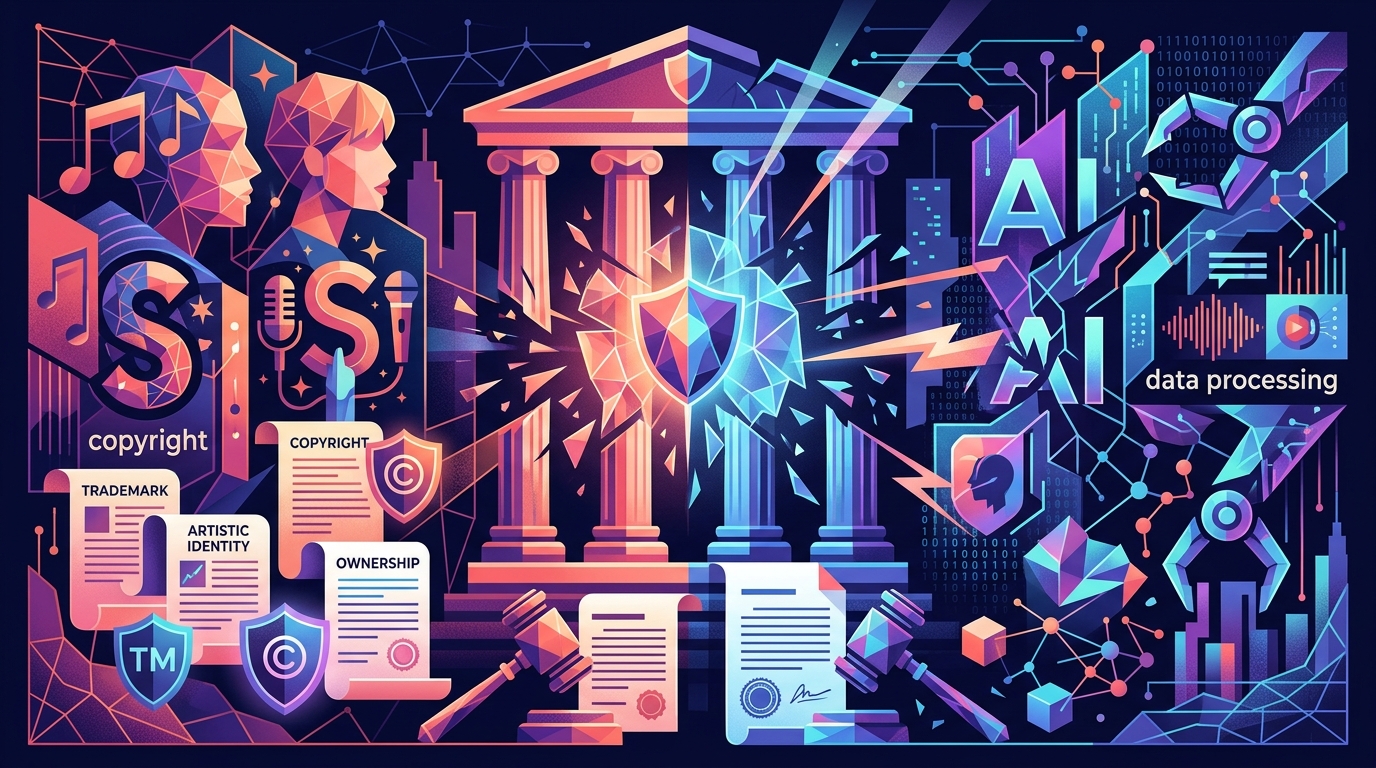
Taylor Swift is no longer just a musical icon; she is a global economic powerhouse and a cultural institution that is fundamentally redefining the boundaries of intellectual property in the age of Artificial Intelligence. Following a series of incidents that shocked the world—from non-consensual explicit deepfakes on X (formerly Twitter) to AI-generated advertisements using her synthesized voice without permission—Swift is launching a decisive counteroffensive. Her recent move to file trademarks for her voice, likeness, and signature performance style marks a pivotal moment in the escalating conflict between human creators and Generative AI.
The Shift from Personality Rights to Property Rights
Historically, protecting an individual from the unauthorized use of their image relied on the "Right of Publicity." However, this legal framework is fragmented across different jurisdictions and often lacks the teeth required to combat the velocity and scale of AI proliferation. By opting for a trademark-based strategy, Swift’s legal team is attempting to transform her biometric features into formal commercial assets.
This strategic pivot has profound implications. While the right of publicity often expires upon death or is limited to specific commercial endorsements, a trademark provides a more robust mechanism for enforcement, particularly regarding takedown notices on platforms like YouTube and TikTok. When an AI voice sounds "exactly like Taylor," it is no longer just a personal affront; it becomes a matter of "consumer confusion" and trademark infringement.
"An artist's voice is their digital fingerprint. If we allow its commodification without control, we are effectively abolishing the concept of authenticity," state legal experts monitoring the case.
Political Pressure and the Legislative Landscape
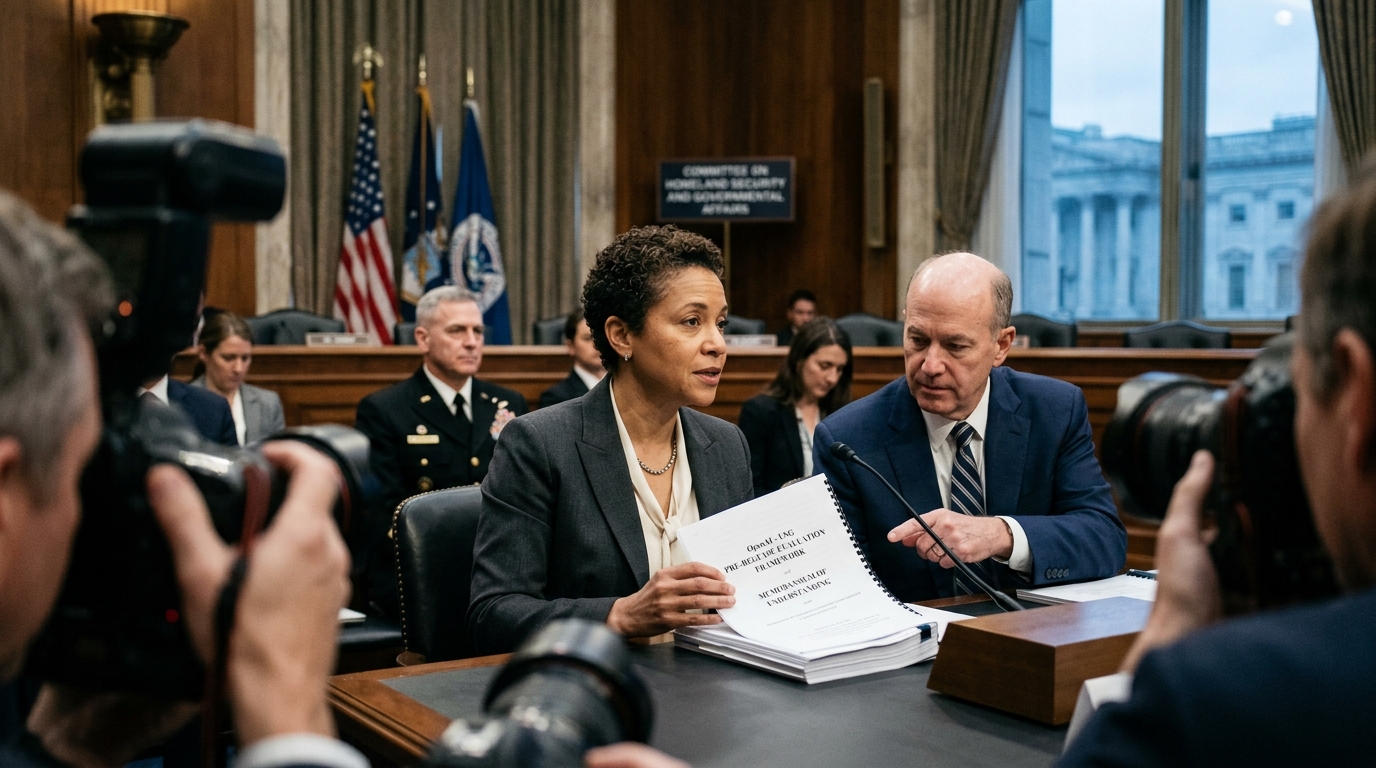
Swift's maneuver does not exist in a vacuum. It coincides with intense lobbying efforts in Washington for the passage of the "NO FAKES Act" and the implementation of the "ELVIS Act" in Tennessee—the first U.S. law to explicitly protect an artist's voice from AI replication. Swift, possessing the unique power to mobilize millions of voters (the "Swifties"), serves as the ultimate catalyst for legislative reform.
- ELVIS Act: The first legislation to recognize voice as a protected property right.
- NO FAKES Act: A federal effort to prohibit unauthorized digital replicas.
- DMCA Reform: The urgent need to modernize internet copyright rules for the AI era.
Impact on the AI Industry
For tech companies, Swift’s stance is a warning shot. If celebrity voices and appearances become trademarked assets, the cost of training AI models could skyrocket. Companies will no longer face mere ethical dilemmas but potentially ruinous trademark infringement lawsuits. This shift may give rise to a new marketplace for "licensed voices," where artists lease their digital personas under strict conditions and high premiums.
However, there is a counter-argument. Some legal scholars worry that over-trademarking human traits could stifle free expression and parody. Where does protection end and the censorship of creativity begin? Swift appears to be drawing a definitive red line: creativity requires consent, and identity is not public domain.
Conclusion: The Future of Digital Ownership
The battle of Taylor Swift vs AI is just the tip of the iceberg. As technology becomes increasingly adept at replicating the human essence, the need for a new "digital social contract" becomes imperative. Swift is not merely protecting her brand; she is establishing a legal precedent for every future artist who will inevitably face their digital double. In the world of 2026, authenticity is the most valuable currency, and Taylor Swift has just locked her vault.