In the complex diplomatic chessboard of the Middle East, excessive kindness is often perceived as a precursor to an attack. As we move through May 2026, the United States appears to be offering an olive branch so heavy with fruit that Tehran, instead of grasping it, is watching it with a finger on the trigger. According to analysts and sources close to the negotiations, the current ceasefire proposal includes unprecedented sanctions relief and the unfreezing of assets—a move that, rather than calming Iran, has intensified fears of an imminent military "trap."
The Shadow of the JCPOA and the Trust Deficit
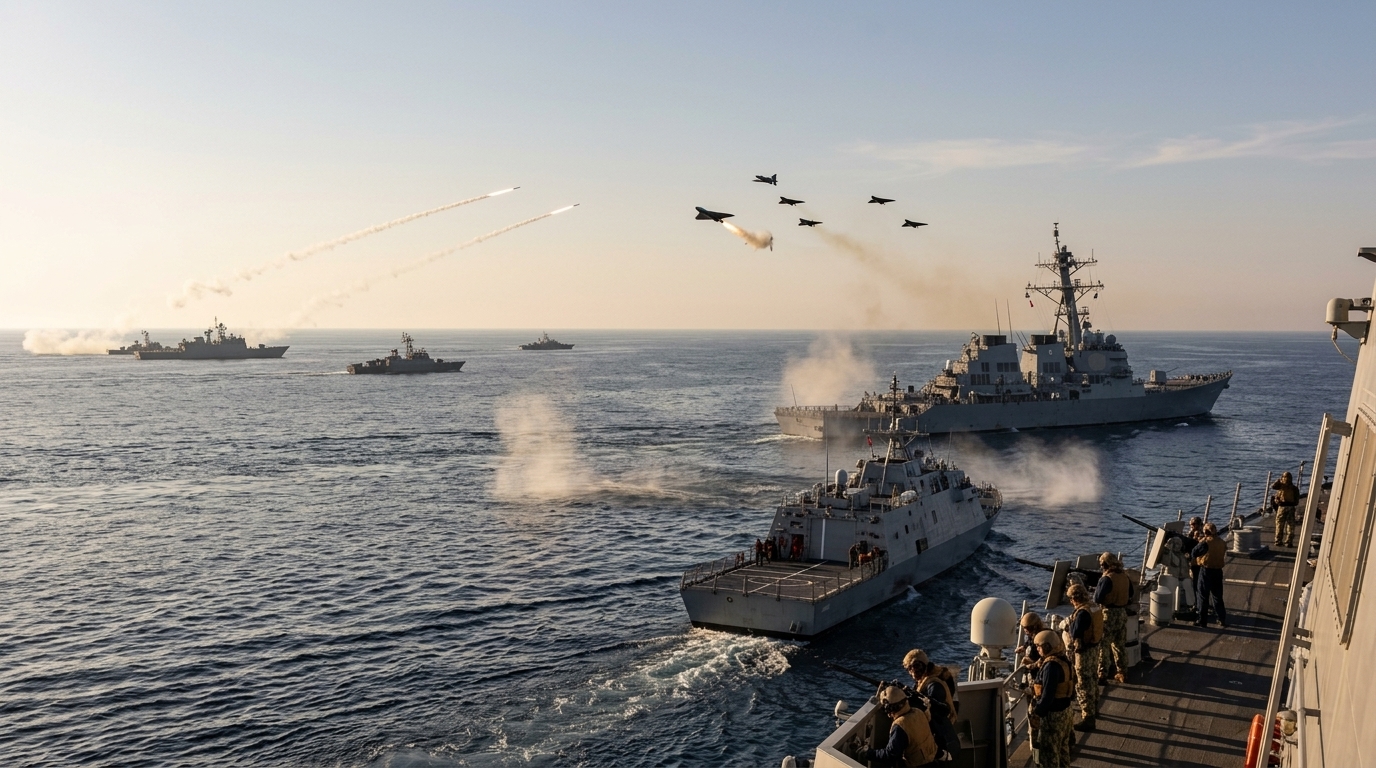
Historical memory plays a pivotal role in the current crisis. The leadership in Tehran has not forgotten the unilateral U.S. withdrawal from the nuclear deal (JCPOA) in 2018. Today, distrust is the primary currency. When Washington proposes lifting the naval blockade in the Strait of Hormuz and returning billions of dollars in frozen assets, the Islamic Revolutionary Guard Corps (IRGC) does not see an exit, but an attempt at pacification.
"History teaches us that when your enemy smiles broadly while holding a sword behind his back, an attack is only a matter of time," says a senior official in Tehran.
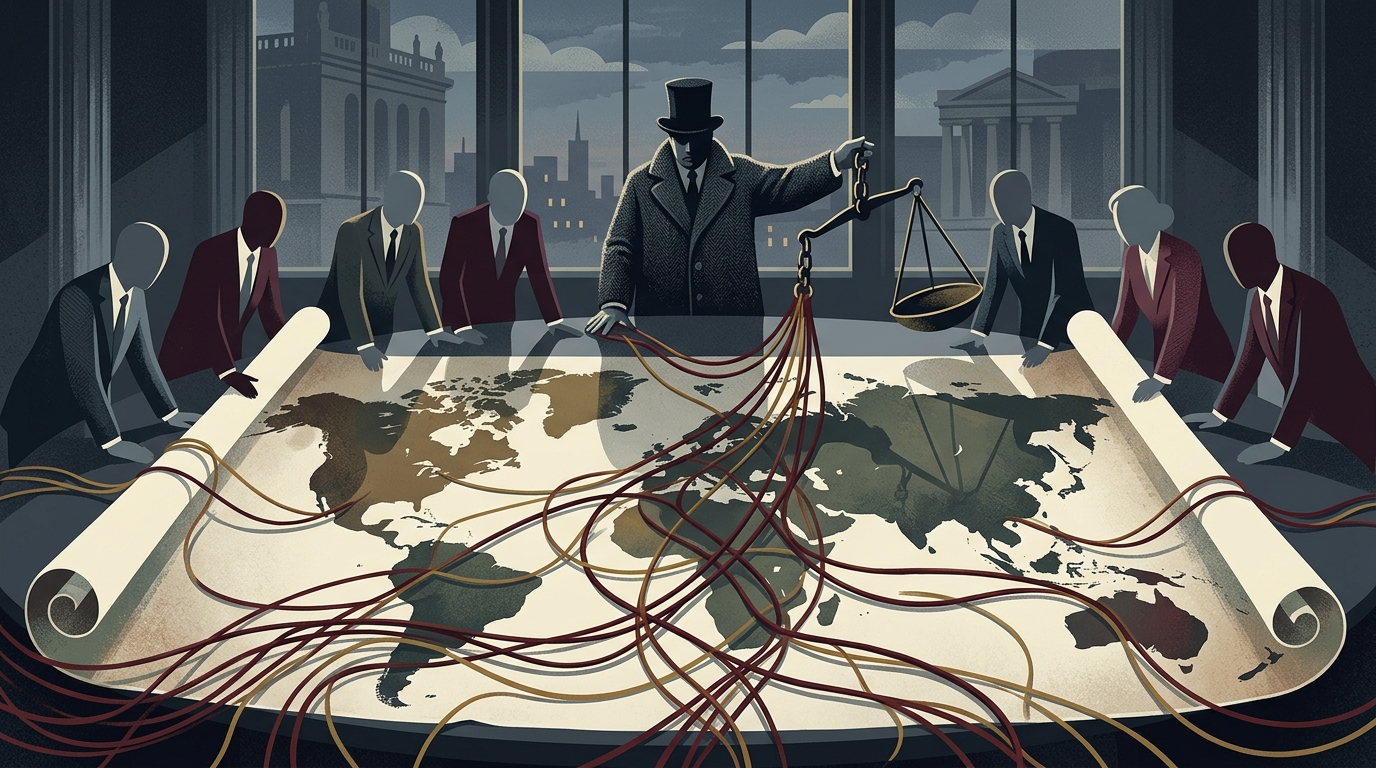
Strategic analysis suggests that Iran fears the proposed 30-day "trial peace" is merely a window for U.S. forces and their regional allies to regroup. The suspicion is that the U.S. seeks to map Iran's current defensive positions under the guise of monitoring the ceasefire.
Geopolitical Games and Energy Security
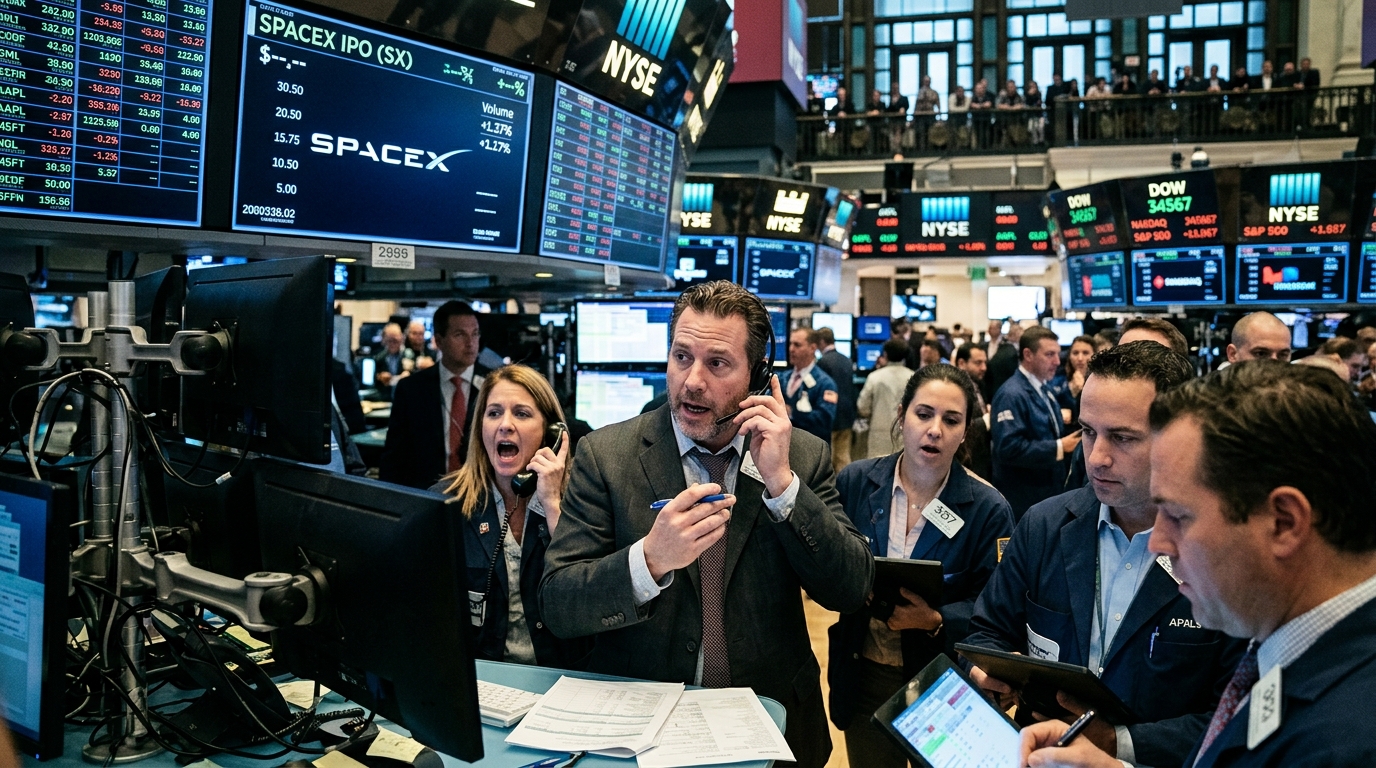
The dynamics of the 2026 energy market add another layer of complexity. With oil prices exhibiting extreme volatility due to Persian Gulf tensions, a ceasefire would be a breath of fresh air for the global economy. However, for Iran, maintaining the threat in the Strait of Hormuz is its strongest bargaining chip. Accepting a ceasefire that disarms this threat without long-term security guarantees is viewed by many in Tehran as "strategic suicide."
- Full lifting of oil export restrictions.
- Return of frozen funds from South Korean and Japanese banks.
- Withdrawal of aircraft carriers from the 5th Fleet's area of responsibility.
- Commitment to no further sanctions on AI and drone technology.
These points, while seemingly in Iran's favor, are interpreted as a "gilded cage." The concern is that as soon as Iran relaxes its defensive posture, the U.S. will find a pretext—perhaps a provocation by third-party actors—to launch a devastating strike that would neutralize the country's nuclear program once and for all.
Artificial Intelligence in the Service of Surveillance
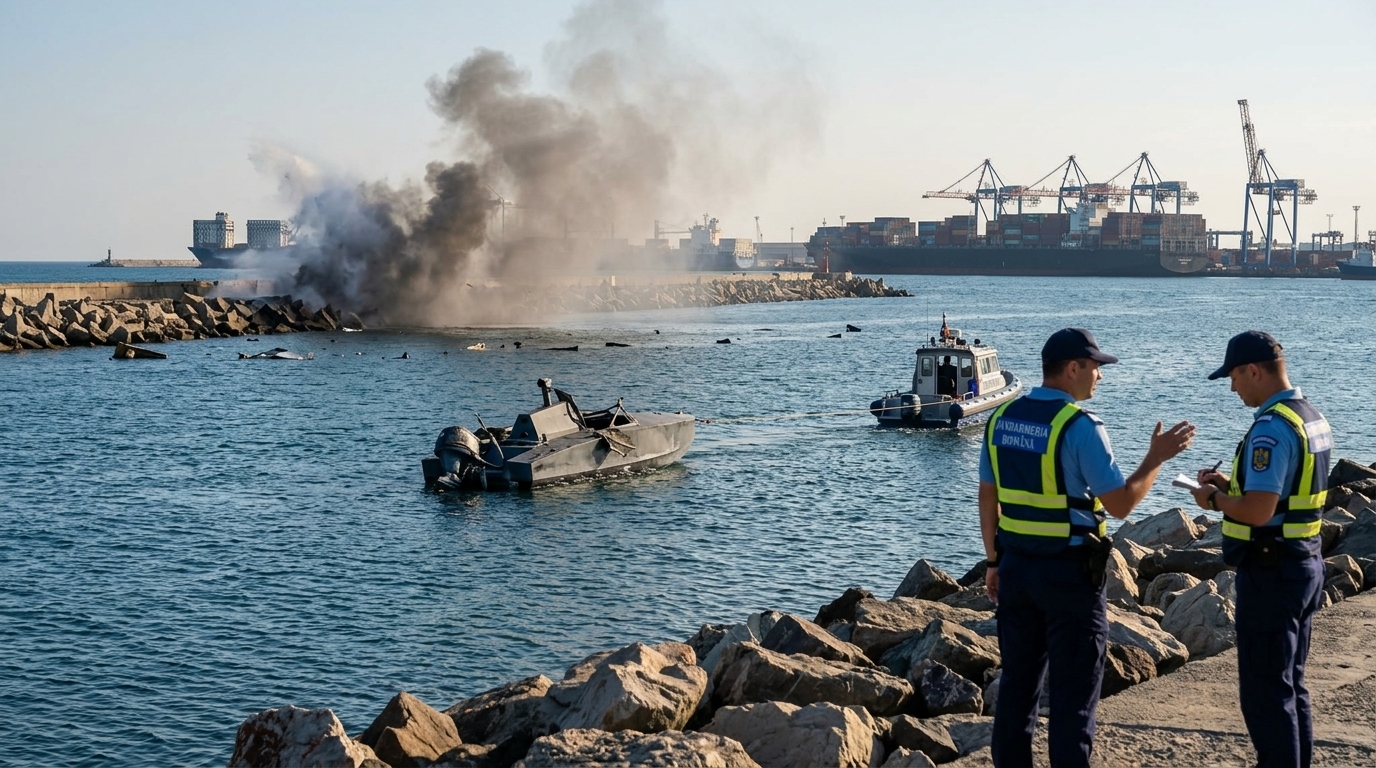
A new parameter in the 2026 negotiations is the use of advanced AI systems to monitor the ceasefire. Washington proposes using autonomous sensors and drones to verify compliance. Tehran, however, fears these systems will be used for critical intelligence gathering to facilitate a future invasion. Technology, instead of acting as a guarantor of peace, becomes the new battlefield.
In conclusion, the situation remains extremely fragile. U.S. "generosity" may indeed be a sincere effort to avoid an all-out war that would devastate the global economy. But in a world where geopolitical trust has collapsed, even the most attractive offer can look like a Trojan Horse. Tehran's next move will determine whether the Middle East moves toward a difficult peace or an inevitable conflict.