Weekend journalism is often viewed as a moment for reflection, a step back from the breakneck speed of daily market fluctuations. However, the edition of "Bloomberg This Weekend" on May 24, 2026, hosted by David Gura, Christina Ruffini, and Lisa Mateo, proved that the geopolitical chessboard never rests. Featuring Taiwan’s Special Representative to the US, Ambassador Alexander Yui, the conversation swiftly transitioned from standard economic indicators to the existential importance of the semiconductor supply chain.
Taiwan as the Linchpin of the Global Economy
Ambassador Alexander Yui did not mince words. As we move through mid-2026, Taiwan remains the undisputed leader in advanced chip manufacturing—components that now power not just our smartphones, but the massive Artificial Intelligence infrastructures defining global power. Yui’s appearance on Bloomberg highlighted the strategic "Silicon Shield" theory. This concept posits that global reliance on TSMC and other Taiwanese manufacturers is the island's best security guarantee against pressures from Beijing.
According to the program's analysis, Washington continues to push for further investments on American soil, such as the sprawling fabrication plants in Arizona. However, Yui pointed out that the Taipei ecosystem is impossible to replicate fully within a few years. This dynamic creates a unique balance of necessity: the US needs Taiwan for its technological survival, while Taiwan needs US military and political support for its physical survival.
The View from Capitol Hill
Joining the discussion was Andrew Solen, Congressional Reporter for Axios, who provided an insider’s look at Washington’s legislative machinery. With the 2026 midterm elections looming, anti-China rhetoric stands as one of the few points of bipartisan consensus. Yet, Solen emphasized that funding for further boosting domestic semiconductor production (following the original CHIPS Act) is facing hurdles due to mounting concerns over the federal deficit.
Solen’s analysis revealed a deep-seated tension: while leadership in both parties seeks decoupling from China, the practical implementation of this policy requires massive subsidies that many fiscal conservatives are beginning to question. The "politics of technology" has effectively become the central battleground for 21st-century economic hegemony.
Markets and Uncertainty: The Economic Dimension
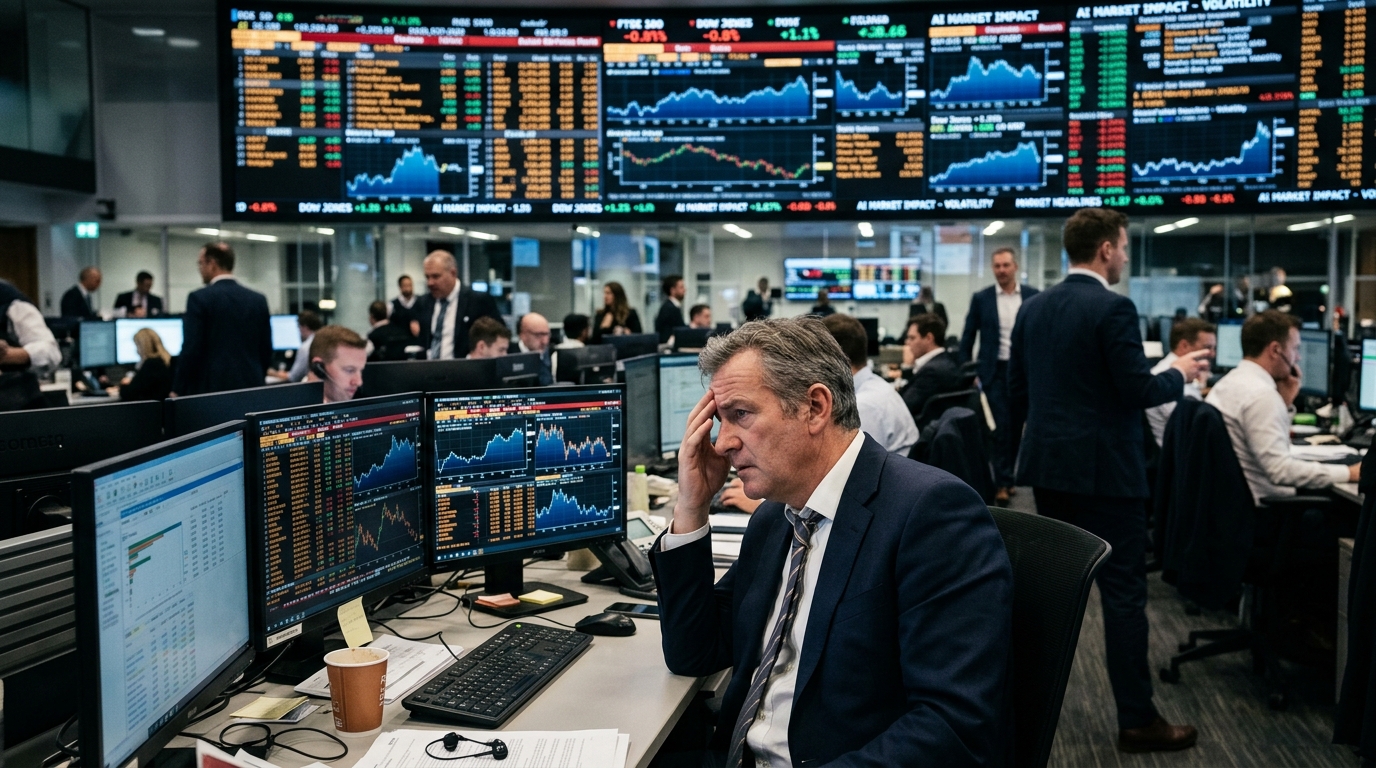
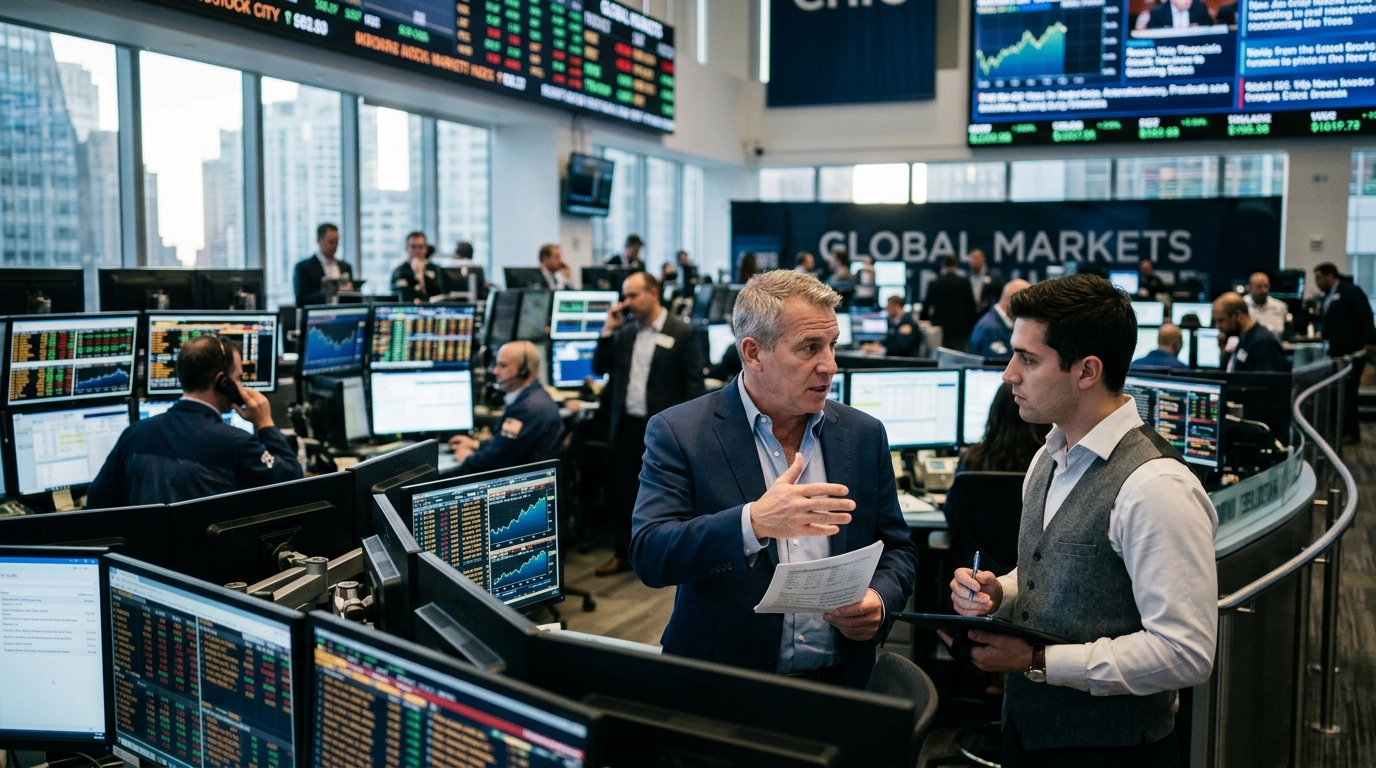
Lisa Mateo and David Gura focused on how these geopolitical tensions ripple through the markets. In 2026, volatility is no longer driven solely by inflation or Fed interest rates, but by announcements regarding tech export restrictions. The concept of "friend-shoring"—moving production to allied nations—has become the new dogma for multinational corporations.
However, as noted in the broadcast, this shift comes at a price. Moving away from a globalization of maximum efficiency toward a globalization of maximum security entails higher costs for consumers and lower profit margins for companies that cannot adapt quickly. Bloomberg This Weekend offered a comprehensive look at this new economic paradigm, where geopolitical analysis is just as vital as reading a balance sheet.
Conclusion: The New Normal
In closing, the program left a clear message: the era of pure economic theory is over. In the world of 2026, every financial decision is also a political statement. Bloomberg’s coverage, bolstered by experts like Alexander Yui and Andrew Solen, remains essential for anyone seeking to understand not just where markets are today, but where they are headed tomorrow. The link between Silicon Valley, Taipei, and Capitol Hill is now unbreakable, and understanding this triangular relationship is the key to navigating the modern global economy.