For three decades, the World Wide Web operated on a simple, almost sacred covenant: creators provided content, search engines indexed it, and users clicked to consume it. This ecosystem, which birthed giants like Google and allowed digital journalism to flourish, is currently facing a systemic collapse. The advent of Generative AI is not merely a technological upgrade; it is a fundamental rewriting of the rules that threatens to make the "old" internet obsolete.
The Shift from Search to Synthesis
The most visible change is occurring at the heart of our online experience: information retrieval. For years, Google was the gatekeeper of the web. Today, tools like Perplexity, ChatGPT, and Gemini are transforming search from a process of "finding links" to a process of "generating answers." When a user receives a comprehensive, synthesized answer directly on their screen, the incentive to visit the original source evaporates. This phenomenon of "zero-click searches" threatens the viability of millions of websites that rely on advertising revenue.
This shift creates a paradox: AI is trained on content produced by humans, yet it simultaneously deprives those creators of the resources they need to continue producing. If publishers and content creators lose their revenue streams, the "fuel" for AI will dry up, leading to a vicious cycle of diminishing information quality.
The "Dead Internet" Theory and Content Saturation
As the cost of producing text, images, and video trends toward zero, the internet is being flooded with synthetic content. The so-called "Dead Internet Theory"—the idea that most web activity is generated by bots for bots—is starting to look less like science fiction and more like daily reality. Social media algorithms prioritize content designed to maximize engagement, often sacrificing truth or human authenticity in the process.
- Loss of Trust: Users are increasingly finding it difficult to distinguish between human intellect and the output of a prompt.
- SEO Spam: Search engine optimization techniques are being overwhelmed by AI-generated articles targeting keywords rather than providing value.
- Personalized Bubbles: AI can create unique environments for every user, isolating them in a subjective reality that reinforces their biases.
The Battle for Data and New Legality
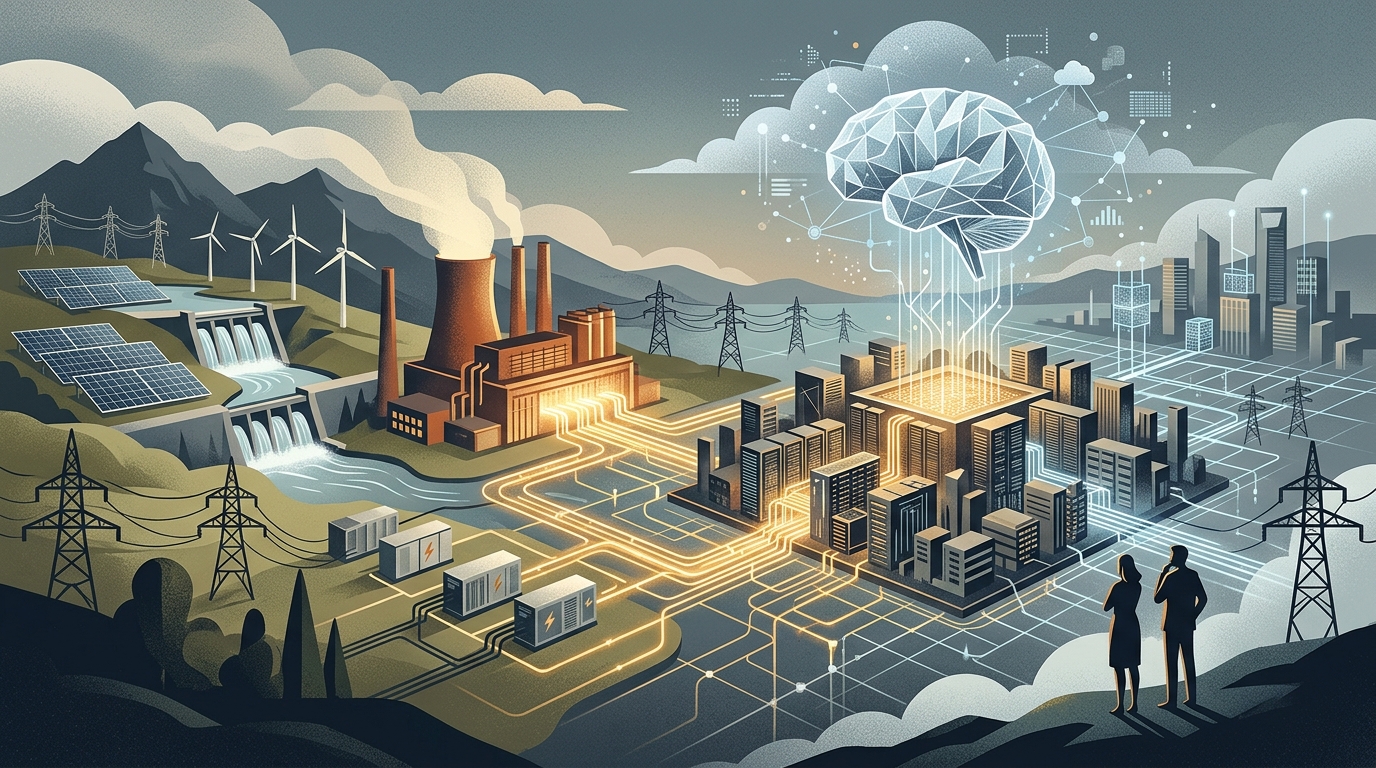
The rewriting of the rules is not just technical, but legal. We are in the midst of a global conflict over intellectual property. Major news organizations and artists are filing lawsuits against AI companies, arguing that using their data to train models constitutes theft. The response from tech titans has been to strike billion-dollar licensing deals, creating a closed club of "approved" information sources.
"The internet is transforming from an open marketplace of ideas into a closed data-processing system, where value lies not in the information itself, but in the capacity to process it," market analysts suggest.
This concentration of power in the hands of a few companies controlling Large Language Models (LLMs) is redefining the concept of digital sovereignty. Governments, led by the European Union and its AI Act, are attempting to impose transparency rules, but the speed of technology continues to outpace bureaucracy.
The Future: From Browsers to Agents
In the near future, our interaction with the internet will not happen through a browser and the typing of URLs. It will happen through "Personal AI Agents." These agents will know our preferences, read the web for us, book tickets, compare products, and present us only with the final result. This means traditional web design could become obsolete, as pages will no longer be designed for human eyes, but for machine readability.
In this new landscape, the value of authenticity will skyrocket. Communities built on real human connection, subscription models that guarantee accuracy, and platforms offering "proof of personhood" will be the sole survivors of the AI revolution. The internet isn't dying; it is transforming into something Tim Berners-Lee might not recognize: a living, synthetic organism that reflects—and sometimes distorts—the sum of human knowledge.