The history of humanity has been marked by technological breakthroughs that changed the course of evolution, but none seem to penetrate as deeply into the psyche and daily life of young people as Artificial Intelligence (AI). Today, we are no longer just talking about "digital natives," but about the first generation of "AI Natives." These are children and adolescents growing up in a world where algorithms are not just search tools, but companions, teachers, and often, judges of their social acceptance.
Education at a Crossroads: From Rote Learning to Critical Thinking
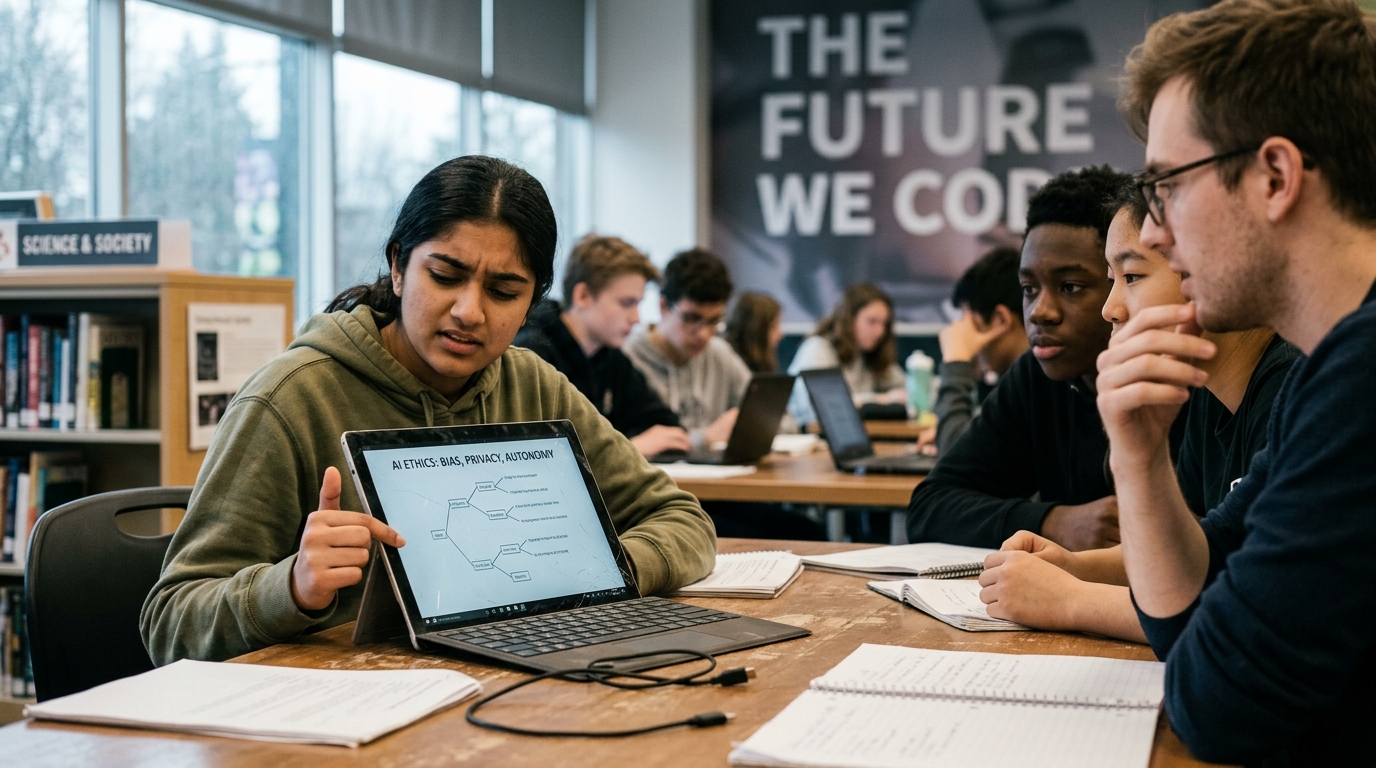
The integration of tools like ChatGPT and Claude into the educational process has caused an earthquake at the foundations of traditional learning. While many educators fear the erosion of academic integrity, the reality is more complex. AI offers the potential for personalized learning at a scale that was unthinkable just a few years ago. A student in a remote village can now have access to a "personal tutor" that adapts the difficulty level to their specific needs.
- Personalized support for students with learning disabilities.
- Automation of administrative tasks for teachers, allowing more time for mentorship.
- Risk of dependency and loss of the ability for primary research and synthesis.
However, the ethical dilemma remains: How do we ensure that young people use AI as a springboard and not a crutch? Education must shift from providing information to cultivating critical thinking and the ability to evaluate sources. In a world of algorithmic "hallucinations," questioning becomes the most important skill.
Mental Health and Algorithmic Socialization
Perhaps the most concerning aspect of the relationship between youth and AI lies in the realm of mental health. Social media algorithms have already been blamed for worsening anxiety and depression in teenagers, creating "echo chambers" that amplify polarization and unrealistic expectations regarding appearance and lifestyle. With the advent of AI chatbots that simulate human contact, such as Snapchat's "My AI," the boundaries between reality and simulation are blurring.
"The danger is not that AI will begin to think like a human, but that humans—and especially the young—will begin to think and feel according to the patterns imposed by algorithms," say experts in developmental psychology.
Developing emotional bonds with artificial entities may offer temporary relief from loneliness, but it carries the risk of atrophying the social skills required to navigate complex, often uncomfortable, human relationships.
Deepfakes and the Loss of Digital Innocence
In the field of ethics, the rise of deepfakes represents an existential threat to youth. We have already seen incidents in schools worldwide where technology is used to create fake, offensive material, leading to extreme forms of cyberbullying. The ease with which reality can be manipulated strikes at the very concept of trust. Young people are called to live in an environment where "seeing is no longer believing."
Ethical Responsibility and the Future of Work
Finally, anxiety about the professional future shadows the daily lives of teenagers. With AI automating even creative professions, traditional advice to "study something stable" feels obsolete. Society's ethical obligation is to prepare youth for a hybrid job market, emphasizing "soft skills"—empathy, creative problem-solving, and ethical judgment—areas where human intelligence remains (for now) superior.
In conclusion, the relationship between youth and Artificial Intelligence is a symbiotic one that requires constant vigilance. It is not enough to teach children how to code; we must teach them how to remain human in a world of machines. Technology is the wind in their sails, but ethical education is the rudder that will guide them to safe harbors.