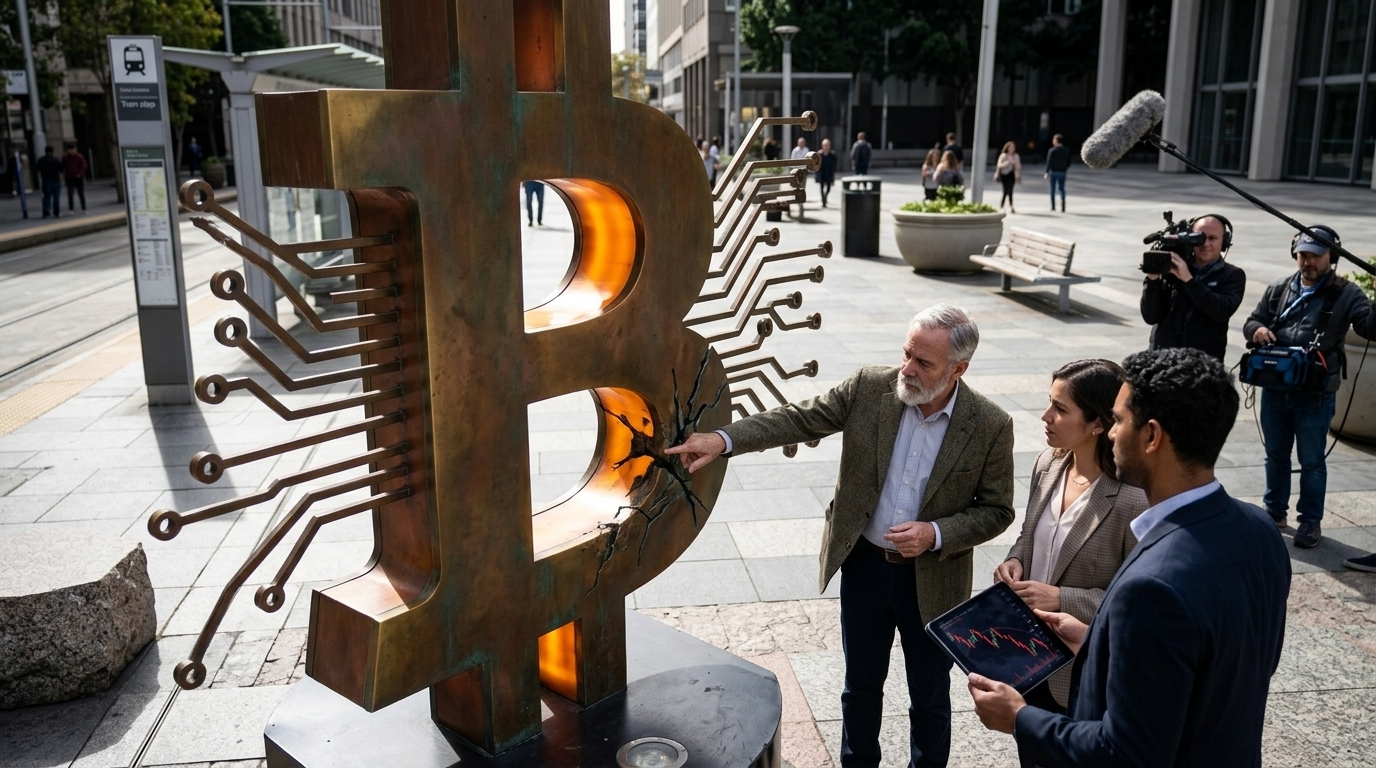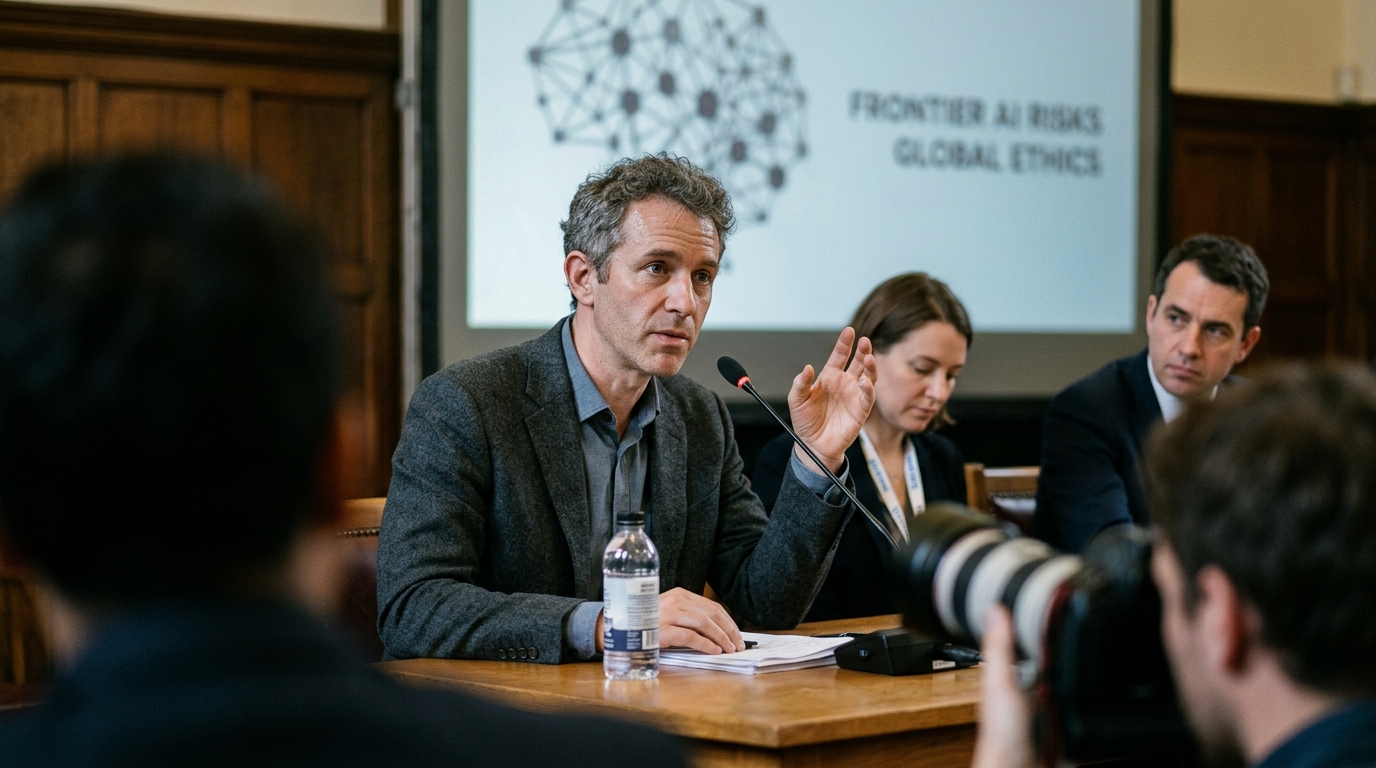
In the whirlwind of digital evolution, where every week brings a new AI model that claims to outperform the last, an invisible crisis is beginning to take shape. Behind the sleek interfaces of ChatGPT, Gemini, or Claude lies a massive infrastructure of servers that are "thirsty" for electricity and water. While AI ethics debates often focus on copyright or job displacement, the environmental footprint is emerging as the industry's most urgent challenge.
The Thirst of Data: Water for Cooling the Cloud
One of the least discussed issues is water consumption. Data centers don't just require power to run their processors; they need vast amounts of water to cool them. According to recent studies, every time a user asks a large language model 10 to 50 questions, about half a liter of water is "consumed." This happens through evaporation in cooling towers that keep GPU temperatures at safe levels.
Tech giants like Microsoft and Google have admitted in their sustainability reports that water consumption has spiked in the last two years, driven precisely by the development of generative AI. In regions already plagued by drought, the construction of new data centers is sparking social backlash, as local communities see their water resources diverted to serve digital needs instead of agriculture or domestic use.
The Energy Paradox: Training vs. Inference
AI energy consumption is divided into two phases: training and inference. Training a model like GPT-4 requires running thousands of processors for months, consuming energy equivalent to that of hundreds of households for an entire year. However, the inference phase—when the model answers questions from millions of users daily—is what cumulatively causes the greatest burden.
"Artificial Intelligence is the first industry in history that requires exponential energy growth to achieve linear performance improvement," industry analysts note.
In 2026, we stand at a turning point. The demand for GPUs from Nvidia and others has led to a global arms race. The International Energy Agency (IEA) estimates that electricity consumption from data centers worldwide could double by 2027, reaching levels equivalent to the total consumption of a country like Germany or Japan.
Clashing with Climate Goals
Many tech companies had pledged to become carbon neutral or carbon negative by 2030. However, the AI explosion is making these goals nearly unattainable. Microsoft, for instance, saw its total carbon emissions increase by nearly 30% since 2020, primarily due to the construction of new data centers. The problem isn't just operation, but construction: the cement, steel, and rare metals required for servers have a massive "embedded" carbon footprint.
There is, however, a counter-argument. Technology proponents argue that AI will be the tool that allows us to optimize power grids, discover new materials for batteries, and accurately predict climate changes. It is a race against time: will AI provide solutions before it becomes a part of the problem that we can no longer manage?
Toward Green AI?
The solution is not to stop progress, but to change the paradigm. Researchers are now turning to more efficient algorithms that require less computational power (Green AI). Additionally, using renewable energy sources to power data centers and repurposing waste heat to warm cities are steps in the right direction. However, without a strict regulatory framework and transparency from tech giants, our digital future risks being built on an environmental deficit that future generations will struggle to repay.