In the heart of one of the most consequential climate lawsuits of the decade, a new and unexpected protagonist has emerged: Artificial Intelligence. Shell, the energy giant facing allegations of insufficient action against climate change, has filed a motion that is sending shockwaves through the legal community. It is demanding that the environmental groups suing it hand over the exact "prompts" used in AI systems to analyze data and draft their legal arguments.
This move is far from a mere procedural detail; it represents the first major confrontation over the boundaries of AI transparency in the courtroom. The plaintiffs, a coalition of environmental organizations, argue that prompts constitute "attorney work product" and are protected by privilege. Shell, conversely, claims that without these prompts, it is impossible to verify the validity of the evidence presented, as AI can produce "hallucinations" or be steered by leading, biased questions.
The Algorithmic Witness and Attorney Privilege
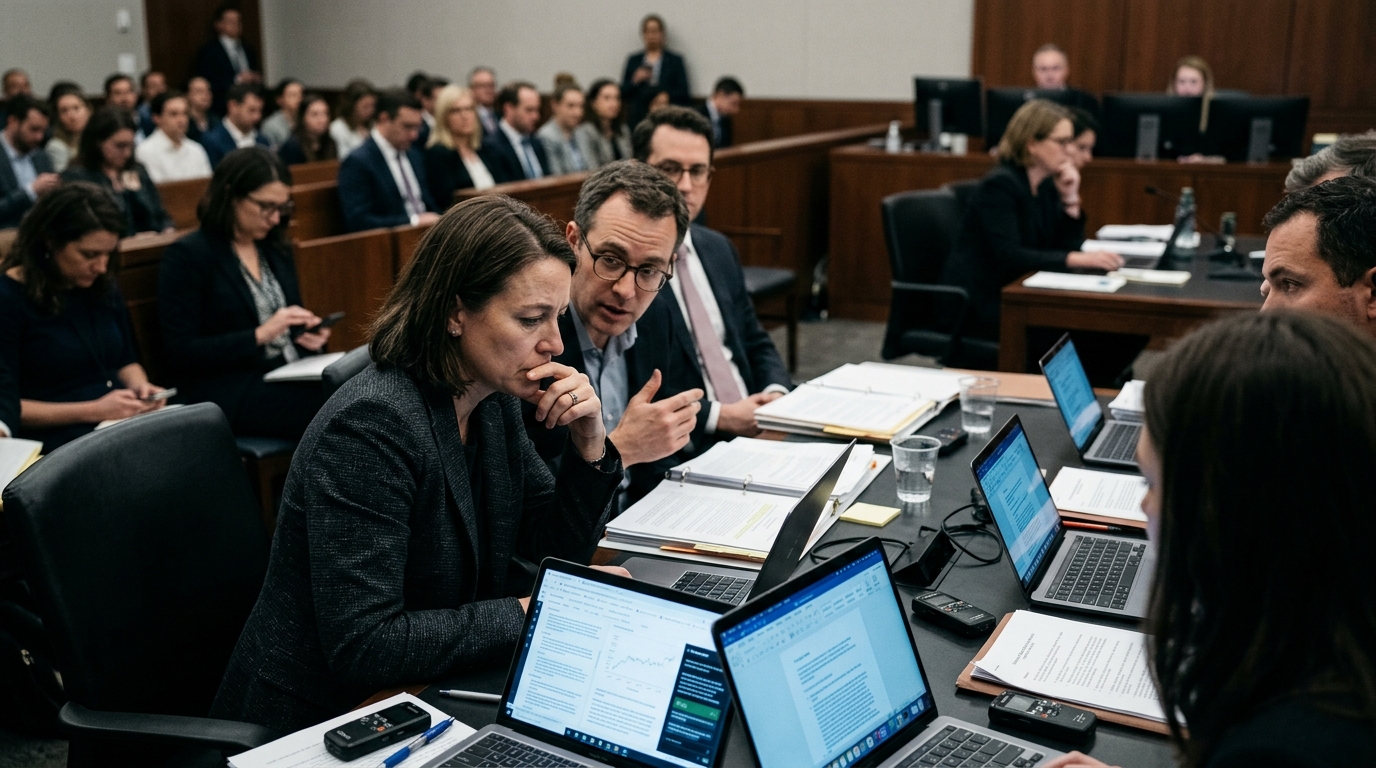
For decades, legal preparation relied on armies of junior associates sifting through thousands of documents. Today, Large Language Models (LLMs) perform this task in seconds. In this instance, the environmental groups used AI to parse decades of internal Shell reports and scientific data on emissions. Shell argues that this process transforms the AI into an "algorithmic witness."
"If a human witness were testifying in court, we would have the right to cross-examine them," Shell’s legal team stated. "When AI is used to generate evidentiary material, the prompt is the examination. We need to know if the questions were framed in a way to elicit a specific, biased result." This argument touches the core of scientific validity in legal science but clashes with the traditional right of lawyers to keep their strategy confidential.
Strategic Intimidation or Due Process?
Environmental organizations view Shell's demand as a tactic of distraction and intimidation. They argue that disclosing prompts would reveal their internal thoughts, working hypotheses, and the vulnerabilities they are exploring. "It's like asking a chess player to show you their diary of thoughts before every move," a spokesperson for the plaintiffs remarked.
Furthermore, there is a fear that if the court grants Shell’s request, it will set a dangerous precedent. Smaller NGOs, which lack the resources of multinational corporations, rely on AI to "level the playing field." If every prompt they use can be seized by their opponents, using technology will become legally hazardous, once again handing the advantage to those with the deepest pockets.
The Global Significance of the Ruling
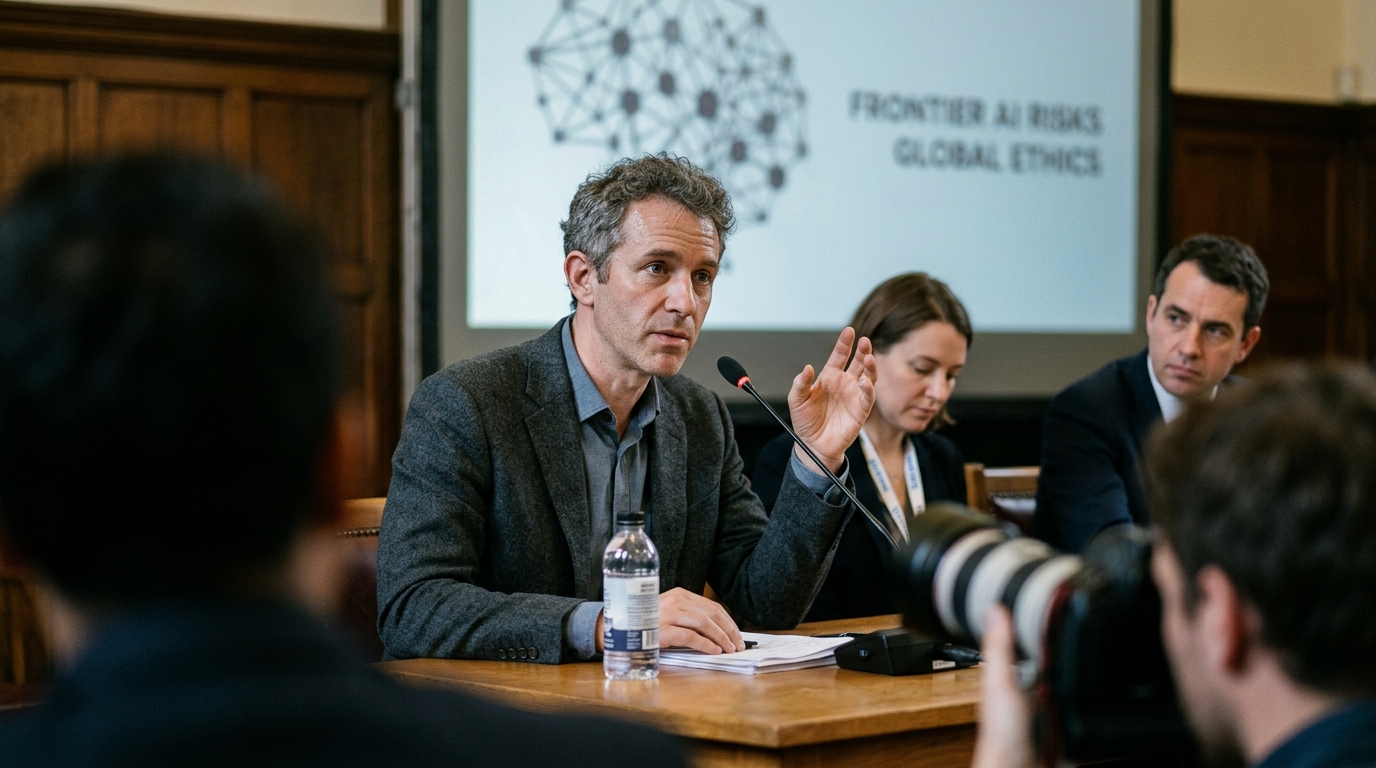
The court's decision is being awaited with bated breath by law firms worldwide. It does not only concern climate change but every sector where AI is penetrating the justice system—from civil disputes to criminal law. The need for a new framework of "algorithmic ethics" in courts is now imperative.
Should prompts be considered tools like a pen or a computer, or do they represent a new form of testimony? The answer will determine whether AI becomes a tool for democratizing justice or another weapon in the arsenal of the powerful to delay accountability. In Shell's case, the stake is the very acceleration of climate action through judicial means—a process that AI promises to speed up, provided it is allowed to function without the fear of a "judicial autopsy" of its instructions.