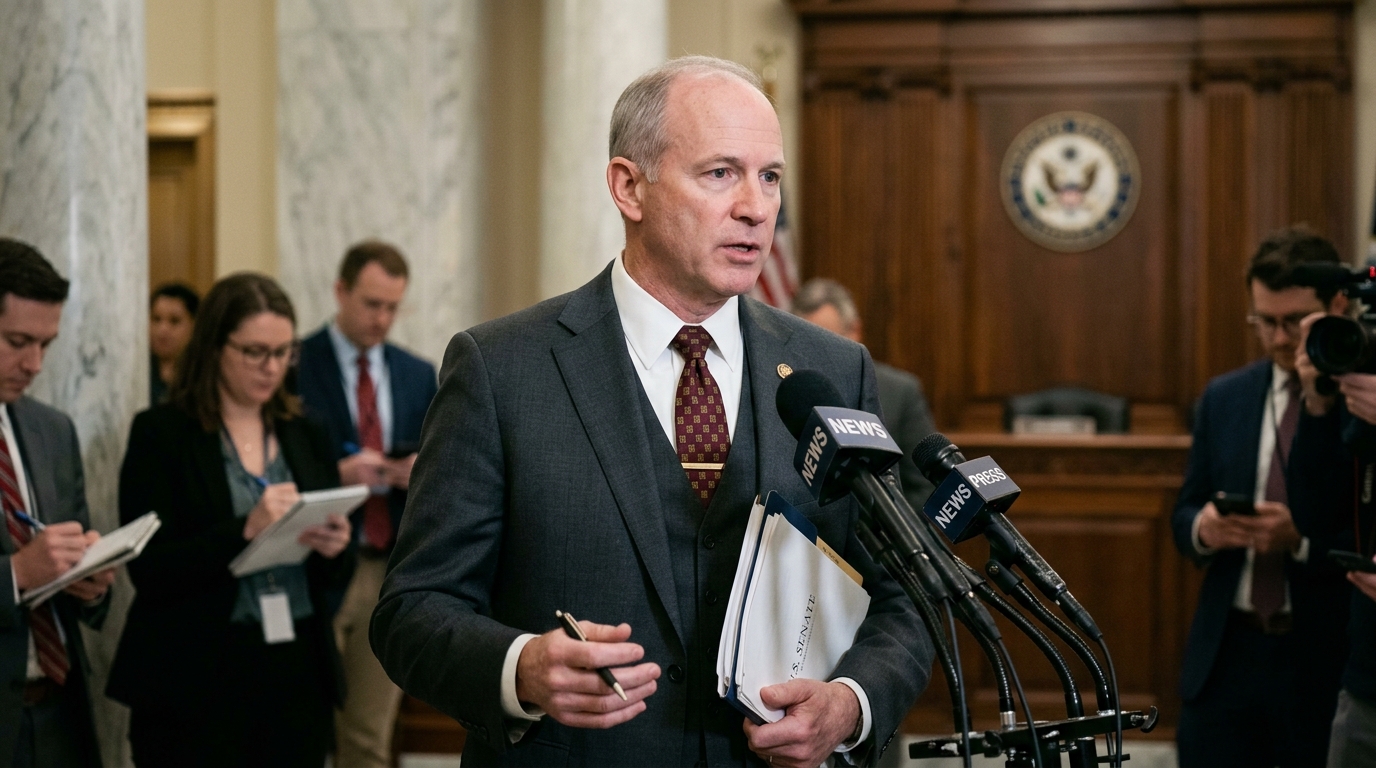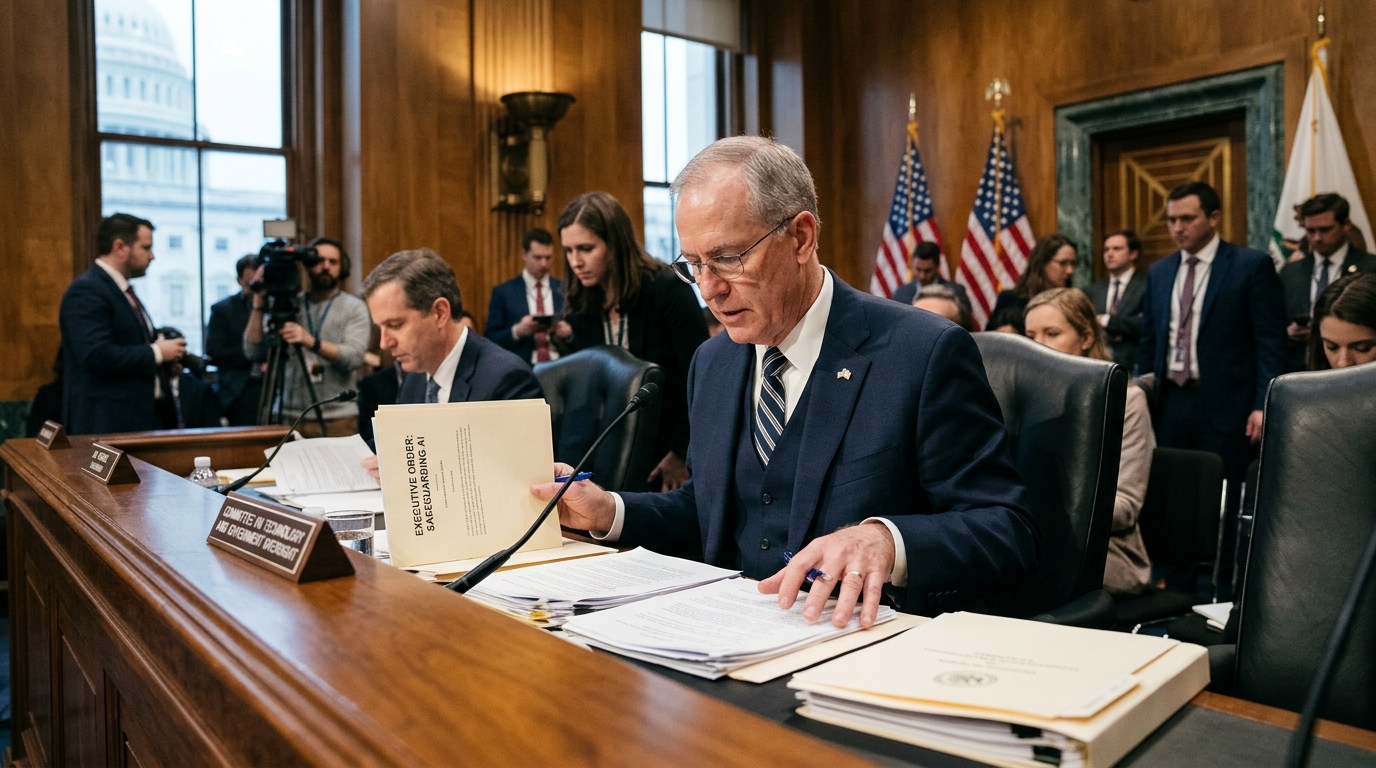
June 2, 2026, marks a historic turning point for the global technological landscape. With the new Executive Order on Artificial Intelligence, the Trump administration has embarked on a radical overhaul of the framework inherited from its predecessor, shifting the center of gravity from 'safety and ethics' to 'sovereignty and speed.' The Council on Foreign Relations (CFR) in its recent analysis highlights that this move is not merely a bureaucratic adjustment, but a geopolitical statement of power aimed at cementing American supremacy over China.
The Philosophy of 'Unfettered Innovation'
The new order repeals much of the oversight imposed by the 2023 Biden executive order. The current administration's core premise is that excessive safety controls act as a brake on American companies, allowing authoritarian regimes to close the gap. According to the CFR, the new policy encourages the development of open-source models without previous constraints on training parameters, positing that transparency and competition are the best safeguards.
"Technological progress cannot be policed by ethics committees when our adversaries are using AI to redraw the global map of power," a CFR senior fellow noted.
This approach is rooted in the belief that the market, rather than the state, should define the boundaries of technological evolution. This entails a significant reduction in reporting requirements for companies developing large-scale models (LLMs), unless those applications are directly linked to the nuclear arsenal or biological defense.
Geopolitical Conflict and the China Factor
At the heart of the order lies the competition with Beijing. The Trump administration links AI directly to national security, promoting a 'digital fortress.' The order provides for massive subsidies for the construction of data centers on U.S. soil, while simultaneously relaxing environmental restrictions for their power supply, prioritizing nuclear energy and natural gas.
- Acceleration of autonomous weapons systems development for the Pentagon.
- Restricting foreign entities' access to U.S. cloud infrastructure.
- Creation of an 'AI Silicon Shield' through bilateral agreements with allies like Japan and South Korea.
This 'militarization' of AI concerns many analysts in Europe, who see the gap between the EU's regulatory approach (AI Act) and American permissiveness widening dangerously. The CFR warns that this divergence could lead to a fragmented digital world where safety standards are sacrificed at the altar of speed.
Domestic Politics and the Battle Against 'Bias'
One of the most controversial aspects of the order is its targeting of algorithms the administration deems 'ideologically biased.' The order prohibits the use of federal funds for developing AI that incorporates DEI (Diversity, Equity, Inclusion) criteria, arguing that these distort the technology's objectivity. Instead, it promotes the creation of 'free models' that will not be subject to 'political censorship.'
Critics argue that this opens the door for the uncontrolled spread of misinformation and the reinforcement of racial or social discrimination. However, Washington insists that protecting freedom of speech in the digital space is superior to the need for algorithmic 'safety,' which is often used as a pretext for controlling ideas.
Conclusion: A High-Stakes Gamble
The Trump Executive Order on AI represents a bold bet. If successful, the U.S. may consolidate an undisputed technological hegemony for decades to come, attracting talent and capital that shun bureaucracy. If it fails, the lack of oversight could lead to catastrophic accidents or an AI arms race that no one can control. The CFR concludes that the global community must now adapt to a reality where power precedes rules.