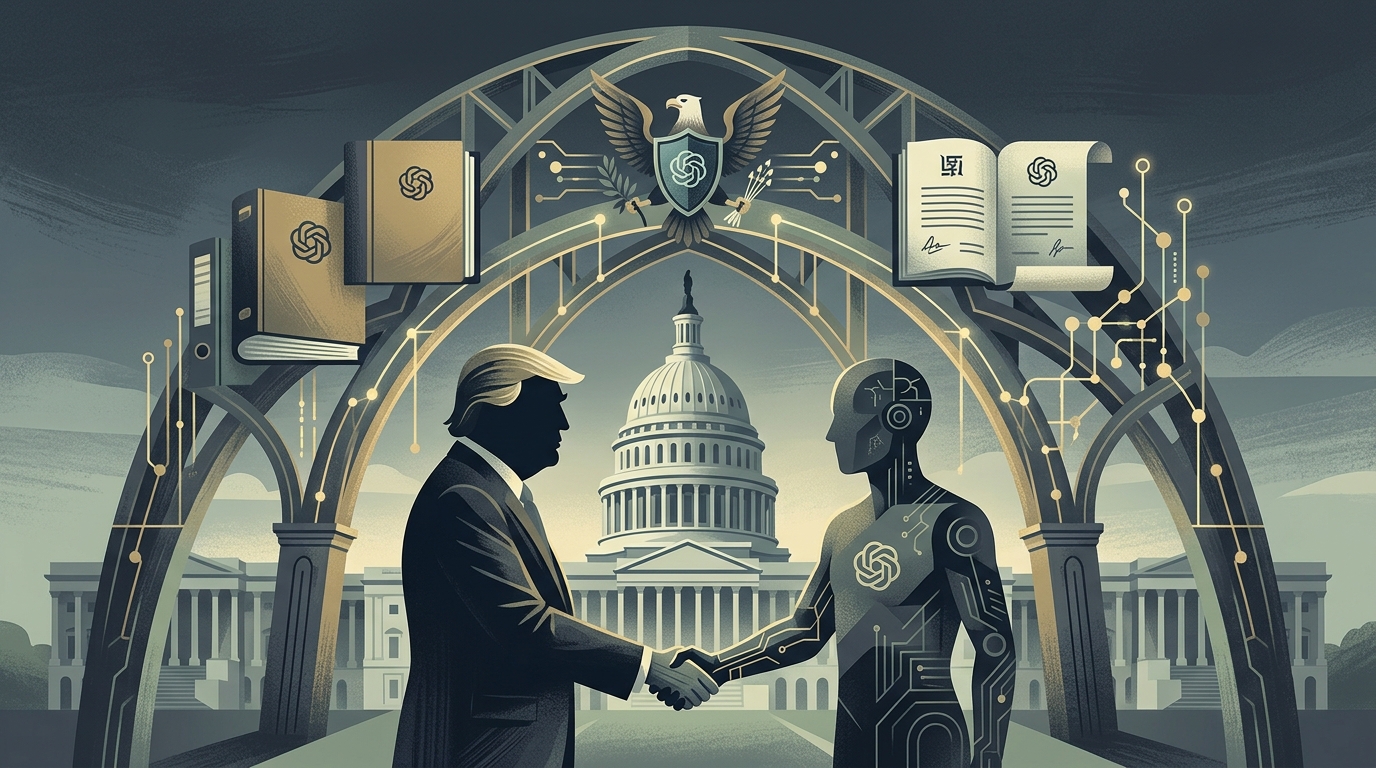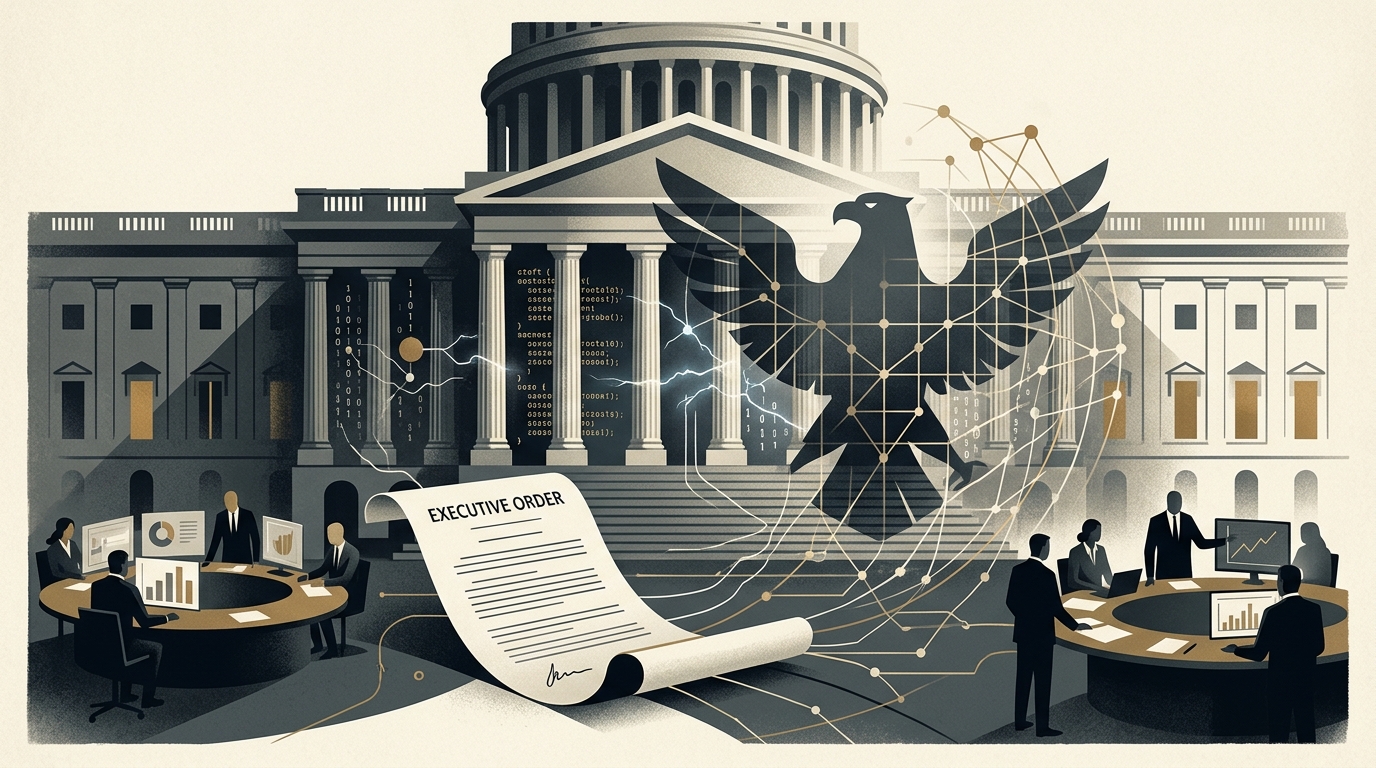
In a move that signals a radical shift in the United States' national security strategy, the Trump administration has issued a comprehensive Executive Order aimed at integrating Artificial Intelligence (AI) into federal cyber defenses. This order, arriving at a time of heightened geopolitical instability, is not merely a technical upgrade but a fundamental reassessment of how the state protects its infrastructure from sophisticated digital threats.
The core of the new policy lies in the admission that traditional cybersecurity methods, which rely on human intervention and reactive measures, are no longer sufficient against AI-powered attacks. The order mandates all federal agencies to adopt "autonomous defense systems" capable of identifying, isolating, and remediating vulnerabilities in real-time, before they can be exploited by malicious actors.
The Strategy of 'Offensive Defense'
One of the most debated aspects of the order is its emphasis on "offensive defense." Unlike previous approaches that focused primarily on hardening perimeters, the new direction encourages the use of AI for active threat hunting within and beyond government networks. This includes deploying Large Language Models (LLMs) and specialized machine learning algorithms to analyze vast volumes of traffic data to identify patterns indicative of an impending attack.
According to Washington analysts, this move reflects the "America First" doctrine in the digital realm. The administration seeks to ensure that the US maintains a technological edge over adversaries such as China and Russia, who are investing heavily in military applications of AI. The order also establishes a "Federal Center of Excellence for AI in Cybersecurity," serving as a central hub for developing and testing these new tools.
Deregulation and Speed: The New Normal
A critical point of divergence from the previous administration is the approach to technology regulation. The Trump order reduces bureaucratic requirements for tech companies partnering with the government, provided their tools directly contribute to national security. The logic is straightforward: the speed of innovation must exceed the speed of bureaucracy.
However, this approach is not without its critics. Digital rights organizations express concerns that loosening oversight standards and prioritizing rapid deployment could lead to systems with embedded biases or unpredictable behaviors. Furthermore, increased automation raises questions about accountability should an autonomous defense system inadvertently damage civilian infrastructure or infringe upon citizen privacy.
The Human Element and the Transition
Despite the emphasis on automation, the order recognizes that the human element remains vital. It outlines extensive retraining programs for federal cybersecurity employees, aiming to transform them from "system operators" into "AI supervisors." The challenge is immense, as the global shortage of AI talent means the public sector struggles to compete with Silicon Valley salaries.
Conclusion: A High-Stakes Bet on the Future
Trump’s AI Executive Order is a high-stakes bet. If successful, the US will possess the most advanced and resilient digital shield in the world. If it fails, or if the risks of unchecked AI outweigh the benefits, the nation could find itself exposed to new types of threats it helped create. What is certain is that the era of "passive" cybersecurity has come to a definitive end.