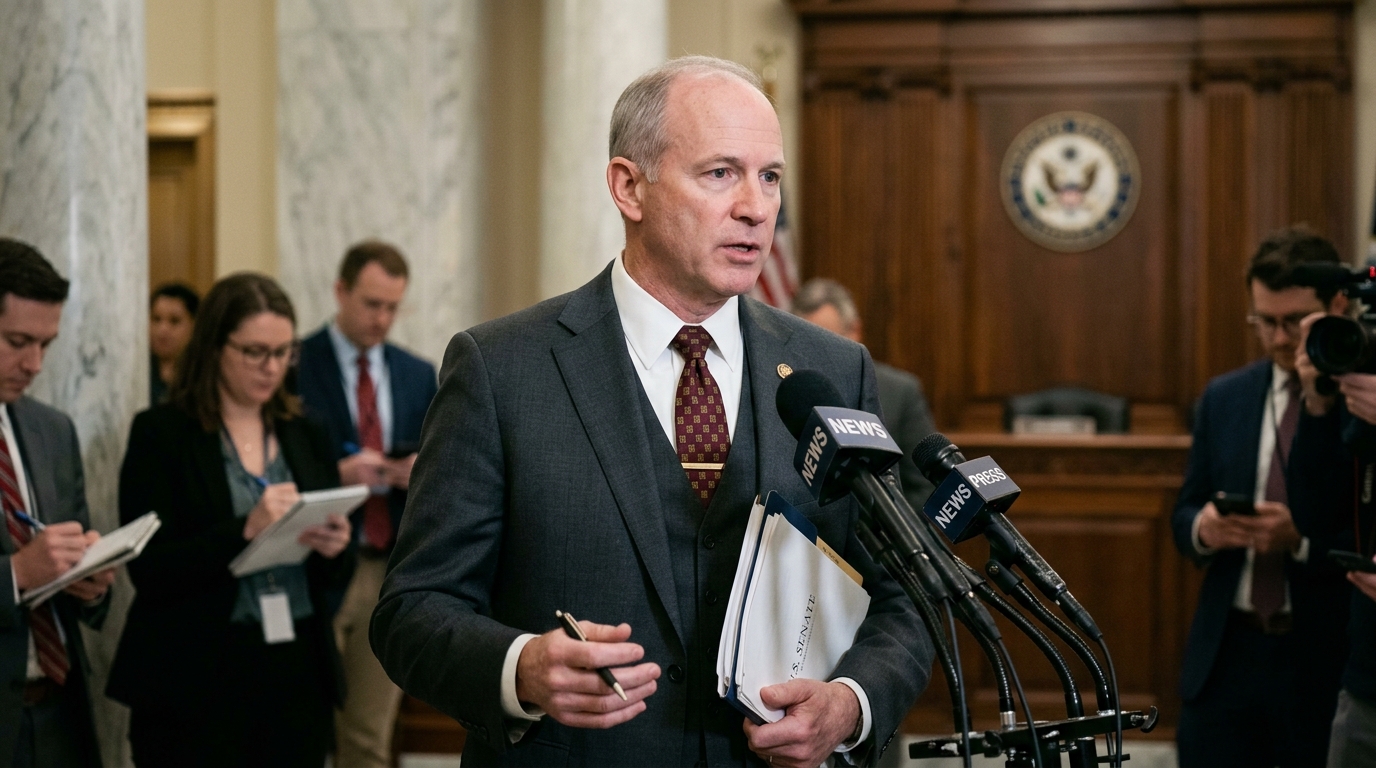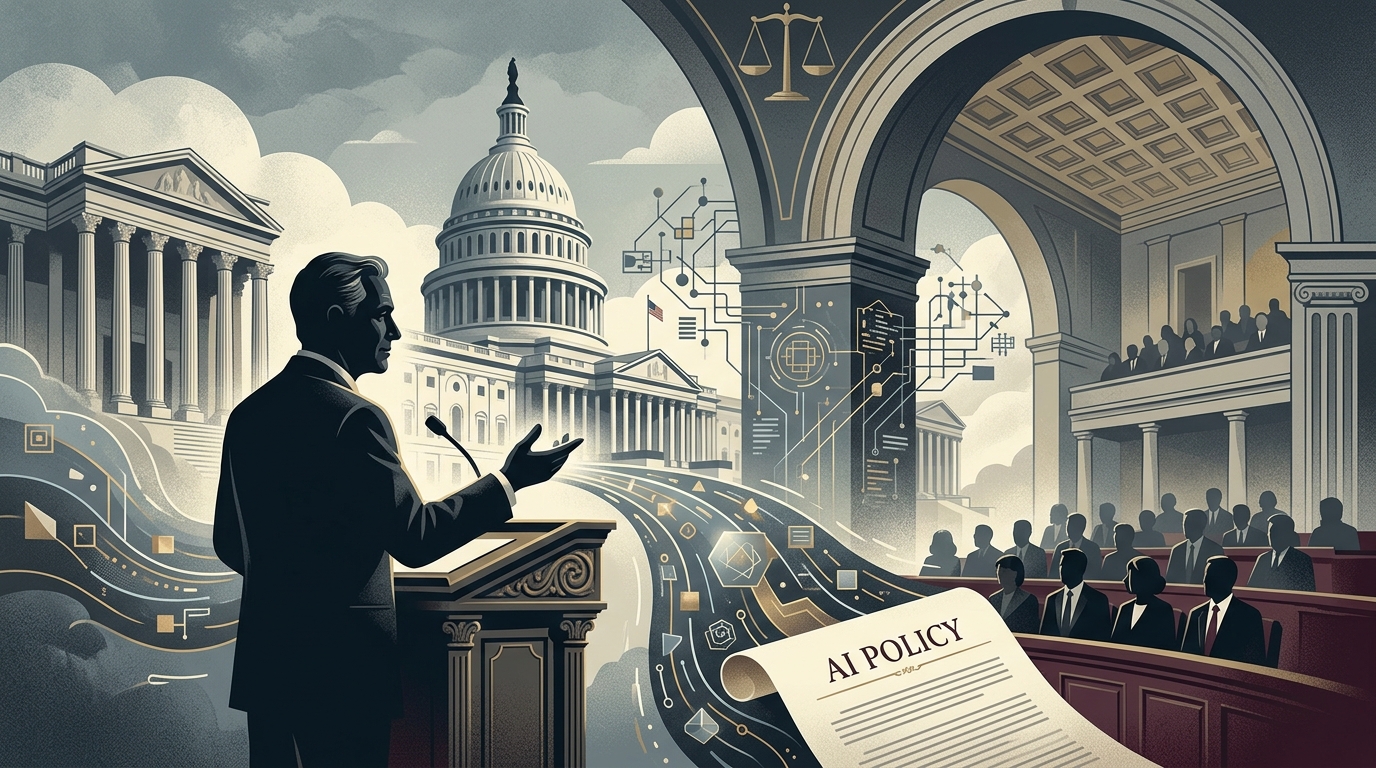
In an interview likely to resonate deeply within the corridors of Washington and Silicon Valley, Gary Marcus, NYU Emeritus Professor of Psychology and Neural Science and a prominent critic of unchecked AI development, described today as a "milestone" for global technology policy. Speaking on Bloomberg Tech, Marcus analyzed the new US Executive Order, which for the first time establishes rigorous frameworks for the operation of Large Language Models (LLMs).
The End of the "Laissez-faire" Era
For years, the US approach to technological innovation was summarized by the mantra "move fast and break things." However, as Marcus pointed out, the complexity and potential risks of Generative AI have made this stance untenable. The new policy signals a radical reversal from the hands-off approach of previous years, shifting the burden of responsibility from the user to the creator.
Marcus argued that the voluntary commitments previously signed by tech giants were largely "empty promises." Today's intervention, however, introduces unprecedented red-teaming mechanisms and transparency requirements. According to the professor, the government is finally recognizing that AI is not just another piece of software, but a critical infrastructure requiring oversight comparable to the pharmaceutical or aviation industries.
Reliability and the Quest for Robust AI
As the founder of Robust.AI and Geometric.AI, Marcus has focused for decades on the problem of reliability. In his interview, he emphasized that current models suffer from "statistical mimicry" — their tendency to produce convincing but false information. The new US policy places significant emphasis on addressing hallucinations and protecting personal data, which Marcus considers essential for maintaining social cohesion.
- Mandatory Reporting: Companies must now share safety test results before releasing new models.
- Data Protection: Stricter rules regarding the use of intellectual property in training algorithms.
- Bias Mitigation: Institutionalizing audits to prevent discrimination in sectors like housing and employment.
Marcus underscored that "robustness" is not optional. If an AI system is to be used in diagnosing diseases or managing power grids, there is no room for the 5% or 10% error margin currently deemed "acceptable" in consumer chatbots.
The Geopolitical Chessboard and Regulatory Capture
One of the thorniest points of the discussion was the risk of "regulatory capture" — the possibility that major players like Microsoft, Google, and OpenAI might influence regulations to shut out smaller competitors. Marcus warned that legislation must be carefully designed to protect the innovation of startups and the open-source community.
At the same time, the US move is interpreted as an attempt to align with the European Union's AI Act. Marcus noted that Washington can no longer ignore international standards, as technology knows no borders. US hegemony in AI will depend not only on raw compute power but also on its ability to export ethical and safe governance standards.
"This isn't about slowing down progress; it's about making sure that progress doesn't lead us off a cliff," Marcus stated.
Conclusion: A Step in the Right Direction
In closing, Gary Marcus appeared cautiously optimistic. While the Executive Order is a significant first step, he stressed that the real test will be its implementation. Without adequate funding for regulatory bodies and the creation of an independent monitoring agency, the new rules risk remaining theoretical. Today, however, is recorded as the moment when US political leadership finally decided to take the wheel of technological evolution.