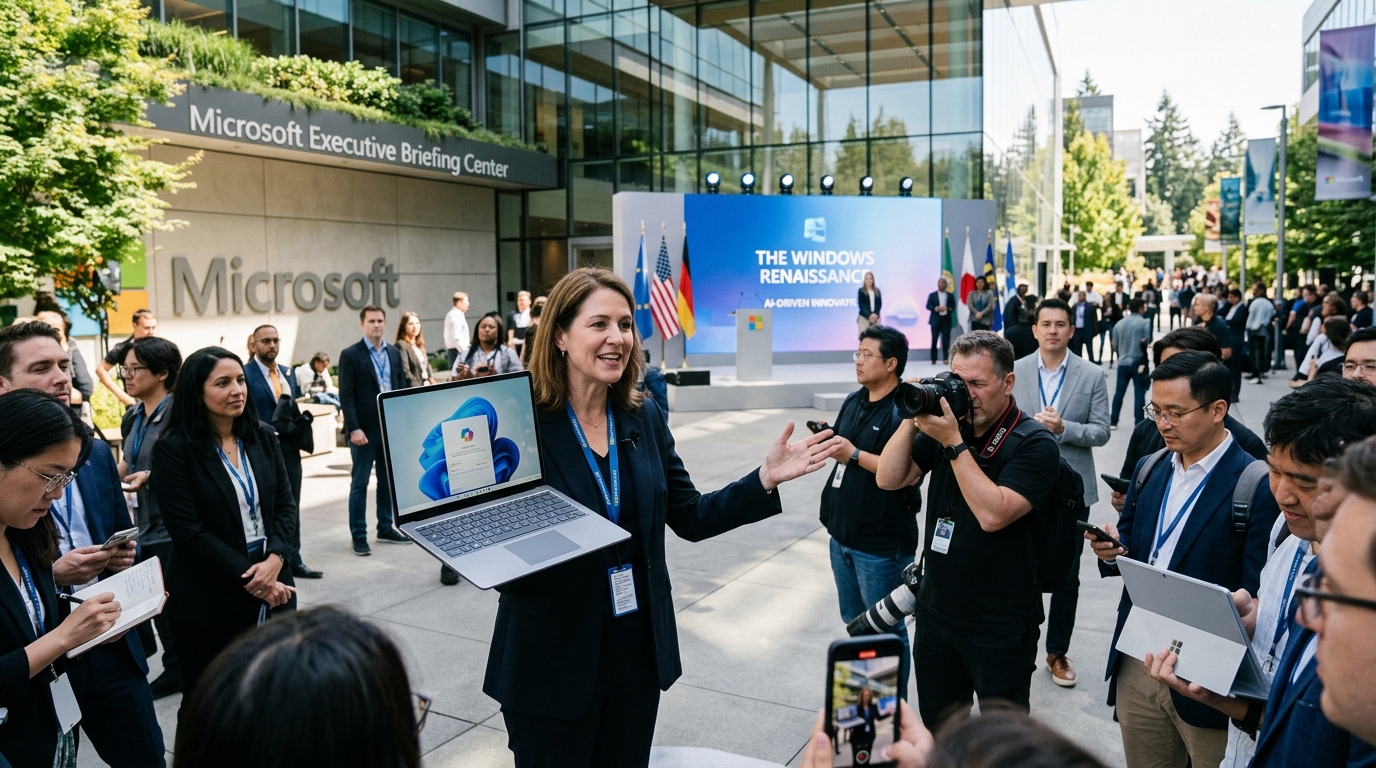
The history of computing is marked by pivotal moments that radically change how we interact with machines. From the graphical interface of Windows 95 to the advent of mobile computing, Microsoft has always been at the center. Today, at its annual Build developer conference, the Redmond-based tech giant heralded the start of a new era: that of the Copilot+ PCs. This is not merely a software update, but a fundamental redesign of the personal computer architecture, with Artificial Intelligence (AI) integrated directly into the silicon.
The NPU Revolution and the ARM Alliance
The most significant announcement concerns the transition to processors that incorporate powerful Neural Processing Units (NPUs). Unlike traditional Central Processing Units (CPUs) and Graphics Processing Units (GPUs), NPUs are specifically designed to execute AI tasks with minimal power consumption. Microsoft, in close collaboration with Qualcomm, unveiled Surface devices based on the ARM architecture, promising performance that outpaces Apple's MacBook Air while maintaining battery life levels previously thought impossible for the Windows ecosystem.
This move is not only technical but strategic. Microsoft is attempting to break the long-standing Intel-AMD duopoly, turning towards more efficient solutions that allow AI to run locally on-device rather than relying exclusively on the cloud. This reduces latency and enhances data security, as sensitive information never needs to leave the user's computer.
Recall: Digital Memory and the Privacy Dilemma
The most discussed feature of this new era is "Recall." It is a function that allows the computer to "remember" everything the user has seen or done on their screen. Using local AI models, Recall creates an index of images and actions, allowing the user to search for content using natural language—for example, "find that email with the blue chart I saw last Tuesday."
"Our goal is to create a computer that understands you, anticipates your needs, and acts as an extension of your own memory," a company executive stated during the presentation.
However, this feature has sparked intense reactions from cybersecurity and privacy experts. Although Microsoft assures that the data is encrypted and remains local, the fear of creating a "digital panopticon" is real. In the European Union, where GDPR rules are strict, the implementation of Recall is expected to undergo rigorous scrutiny by regulatory authorities.
Transforming Work and Creativity
Beyond hardware, Microsoft is embedding Copilot into every corner of Windows. From live video translation in 40+ languages in real-time to image generation via Cocreator in Paint, creativity is being democratized. Professionals can now use AI agents that automate complex workflows, such as drafting reports based on data from multiple sources or managing calendars with minimal human intervention.
The new generation of devices is not just for tech enthusiasts; it targets the enterprise market, where productivity is paramount. With the promise of faster processing and intelligent tools, Microsoft hopes to spark a new cycle of hardware upgrades, the largest in over a decade.
Conclusion: A Multi-Billion Dollar Bet
Microsoft is betting everything on AI. The success of Copilot+ PCs will determine whether the company can maintain its dominance against Google and Apple in the age of artificial intelligence. The question that remains is whether consumers are ready to trust their most personal moments to a machine that "sees and remembers everything," even if it promises unparalleled convenience.