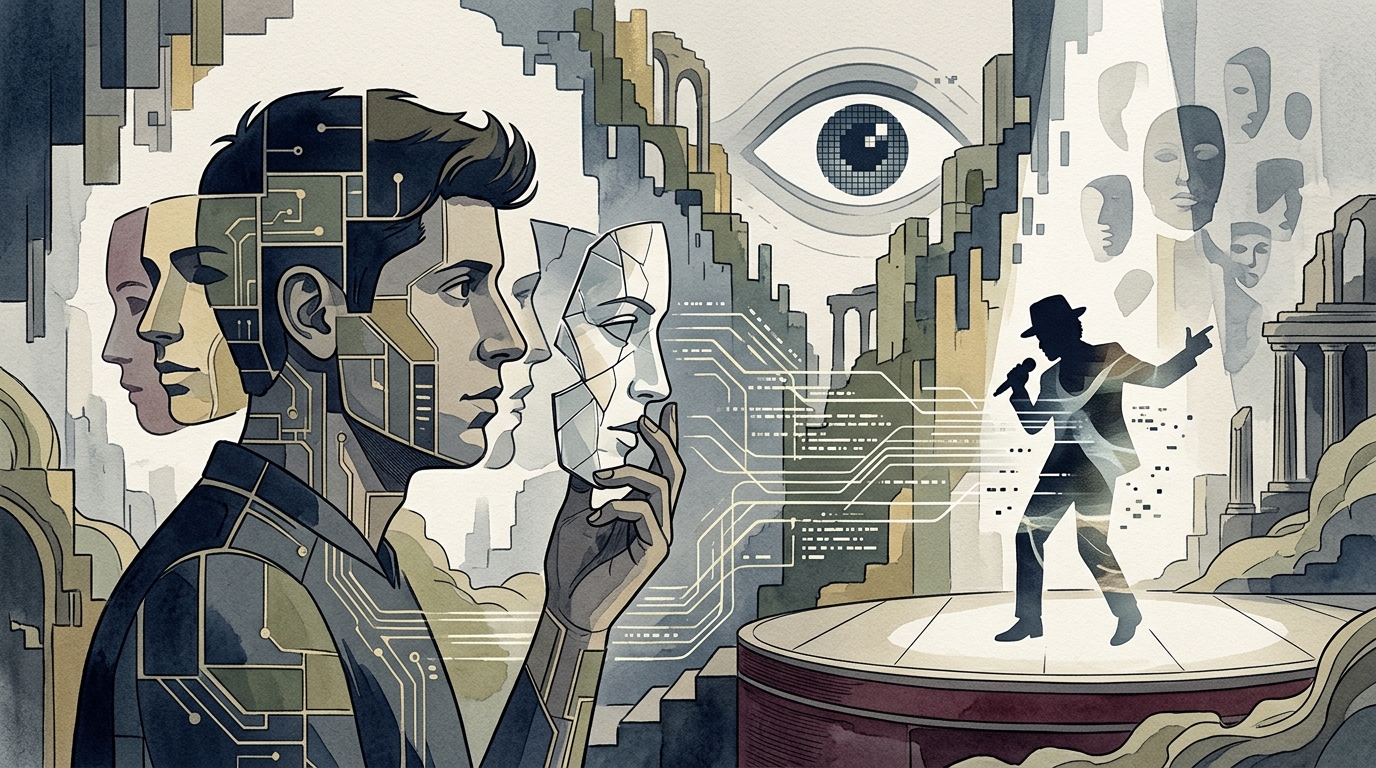
In the high-stakes world of Silicon Valley, the line between visionary marketing and outright deception is often perilously thin. The recent revelation that World (formerly Worldcoin), Sam Altman's ambitious project to biometrically index humanity, promoted a partnership with pop superstar Bruno Mars that didn't actually exist, serves as a textbook example of the "fake it till you make it" ethos. The irony is staggering: a company whose core mission is to solve the problem of authenticity in the age of AI has been caught fabricating a high-profile endorsement.
The Anatomy of a Non-Existent Deal
The controversy erupted following a major rebranding event where Worldcoin transitioned to simply "World." During the presentation, visual materials and statements strongly implied a strategic partnership with Bruno Mars. The narrative suggested that World ID holders would enjoy exclusive benefits, such as priority access to concert tickets and tours, facilitated by the company’s iris-scanning Orbs. This news spread rapidly across social media, providing the company with a much-needed veneer of mainstream cultural relevance.
However, the narrative collapsed when a spokesperson for Bruno Mars told WIRED: “To be clear, we were never approached… nor were we in any discussions regarding a partnership or tour access.” This wasn't just a minor misunderstanding; it was a total denial of any relationship. For a company that asks users to trust it with their most sensitive biological data, being caught in a public falsehood is a significant blow to its foundational premise of trust.
Rebranding as a Shield for Credibility
World has been struggling to move past its reputation as a controversial crypto-project that harvested biometric data from vulnerable populations in exchange for tokens. The rebrand to "World" and the introduction of "Deep Face" technology are attempts to position the company as essential infrastructure for the digital age—a way to distinguish humans from bots. To achieve this, the company needs social proof from beloved global icons.
"When a company built on the premise of 'Proof of Personhood' uses a celebrity's likeness to imply a false partnership, it raises fundamental questions about its internal ethics and respect for truth."
The ethical implications are profound. If World is willing to misappropriate the brand and intellectual property of a global star, what safeguards are actually in place for the average user? This wasn't a social media typo; it was a central pillar of a corporate launch. The move suggests a strategic calculation that the benefits of the buzz would outweigh the eventual correction.
Silicon Valley’s Accountability Crisis
This incident highlights a broader issue within the tech industry: the belief that rapid innovation excuses ethical shortcuts. This "move fast and break things" mentality, while effective for software development, is dangerous when applied to human identity and biometric data. We have seen where this road leads—from the deceptions of Theranos to the collapse of FTX.
- World claims its technology is the ultimate defense against AI-generated deepfakes.
- Yet, the company essentially created its own "analog deepfake" by manufacturing a partnership.
- This hypocrisy undermines the global effort to establish standards for digital identity.
Ultimately, technology is never neutral; it carries the values of its creators. If Sam Altman and World intend to build the "passport for the internet," they must realize that authenticity cannot be forced through an iris scanner. It must be earned through transparent business practices and an unwavering commitment to the truth. In its attempt to prove we are human, World may have forgotten that being human involves a basic level of honesty.