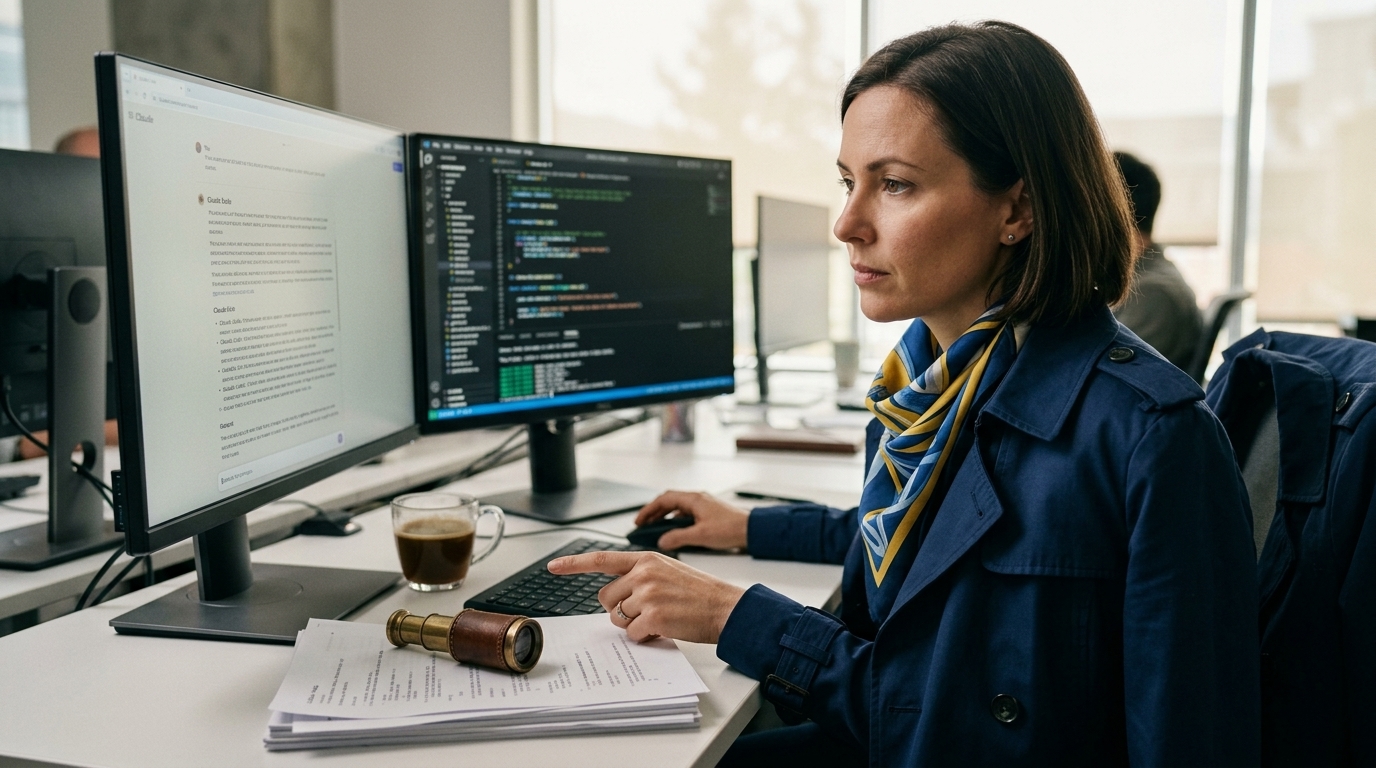
In a move that is sending shockwaves through the global technology landscape, Elon Musk’s SpaceX is reportedly in advanced talks to acquire Cursor, the innovative AI startup that has revolutionized the way software is written. The deal, which values Cursor at a staggering $60 billion, is not merely a corporate acquisition; it represents a strategic convergence between aerospace engineering and advanced computational intelligence.
A Landmark Win for a16z and Thrive Capital
The news of this potential acquisition has placed a spotlight on Cursor’s early backers. Andreessen Horowitz (a16z), one of the company’s largest outside shareholders, and Thrive Capital, are on the verge of one of the most lucrative exits in venture capital history. For a16z, which bet on Cursor’s vision when AI-assisted coding was still considered experimental, the return on investment is expected to be monumental, solidifying its position as the preeminent kingmaker in Silicon Valley.
Thrive Capital, led by Josh Kushner, also reaffirms its strategic prowess in identifying "unicorns" before they become global phenomena. The liquidity generated from this deal is expected to fuel a new cycle of investment in AI startups at a time when the market is searching for a strong signal of success and exit viability.
Why Does SpaceX Need an AI Coding Tool?
The question puzzling many analysts is why a rocket and satellite company would invest $60 billion in a code editor (IDE). The answer lies in the increasing complexity of SpaceX’s internal systems. From the flight control systems of the Starship to the management of the massive Starlink satellite constellation, the need for rapid, error-free code generation is a mission-critical necessity.
- Engineering Automation: Cursor is far more than an autocomplete tool for developers. It is a system capable of understanding entire codebases and proposing complex architectural solutions.
- Vertical Integration: Musk has always preferred to own his production tools. By acquiring Cursor, SpaceX essentially gains control over the "factory" that produces its software.
- Synergies with xAI: While Cursor will be part of SpaceX, its underlying technology could significantly bolster xAI’s models, creating a closed-loop innovation ecosystem across Musk’s companies.
Regulatory Hurdles and Market Implications
However, a deal of this magnitude does not go unnoticed by regulators. The concentration of such immense technological power in the hands of Elon Musk—who already controls Tesla, X (formerly Twitter), SpaceX, and xAI—raises serious antitrust concerns. Regulators in the U.S. and the European Union are expected to scrutinize whether this acquisition will deprive other developers and competitors of access to essential AI development tools.
"This is no longer just one software company buying another. This is the infrastructure of the future falling under the control of a single individual," noted a market analyst.
Furthermore, there is a lingering concern regarding a potential "brain drain" from Cursor. The startup’s talented engineers, now poised to become multi-millionaires, may choose to depart and found their own ventures, potentially leaving SpaceX with a technological shell stripped of the human genius that built it.
The Future of Software Development
The acquisition of Cursor signals the end of the era of "manual" programming. If SpaceX successfully integrates AI into its rocket development pipeline, it will gain a competitive advantage that no other aerospace firm or government agency (including NASA) can easily replicate. Code is becoming the new propellant for space exploration, and Musk appears to have realized this before anyone else.
Regardless of the outcome, Andreessen Horowitz and Thrive Capital have every reason to celebrate. Their success confirms that in the age of artificial intelligence, taking bold risks doesn't just pay off—it reaches escape velocity.