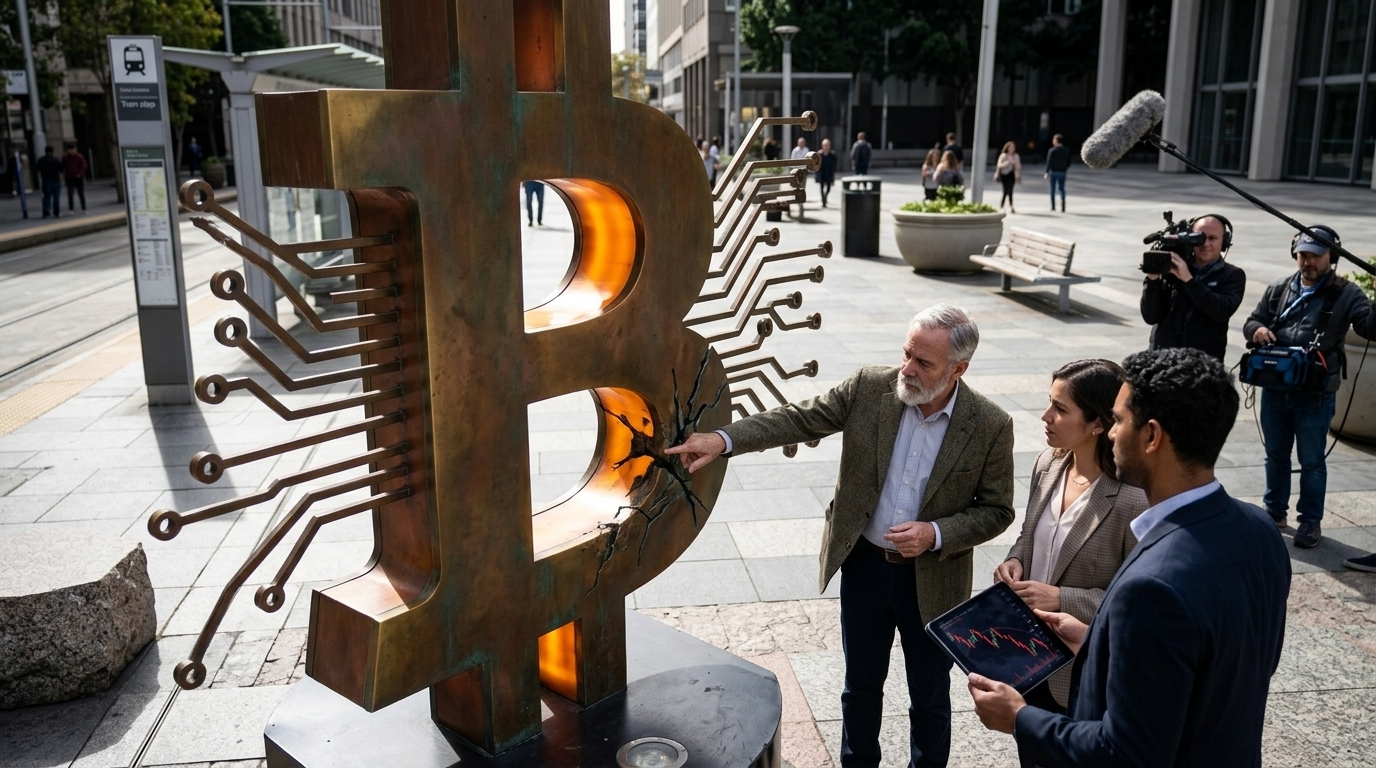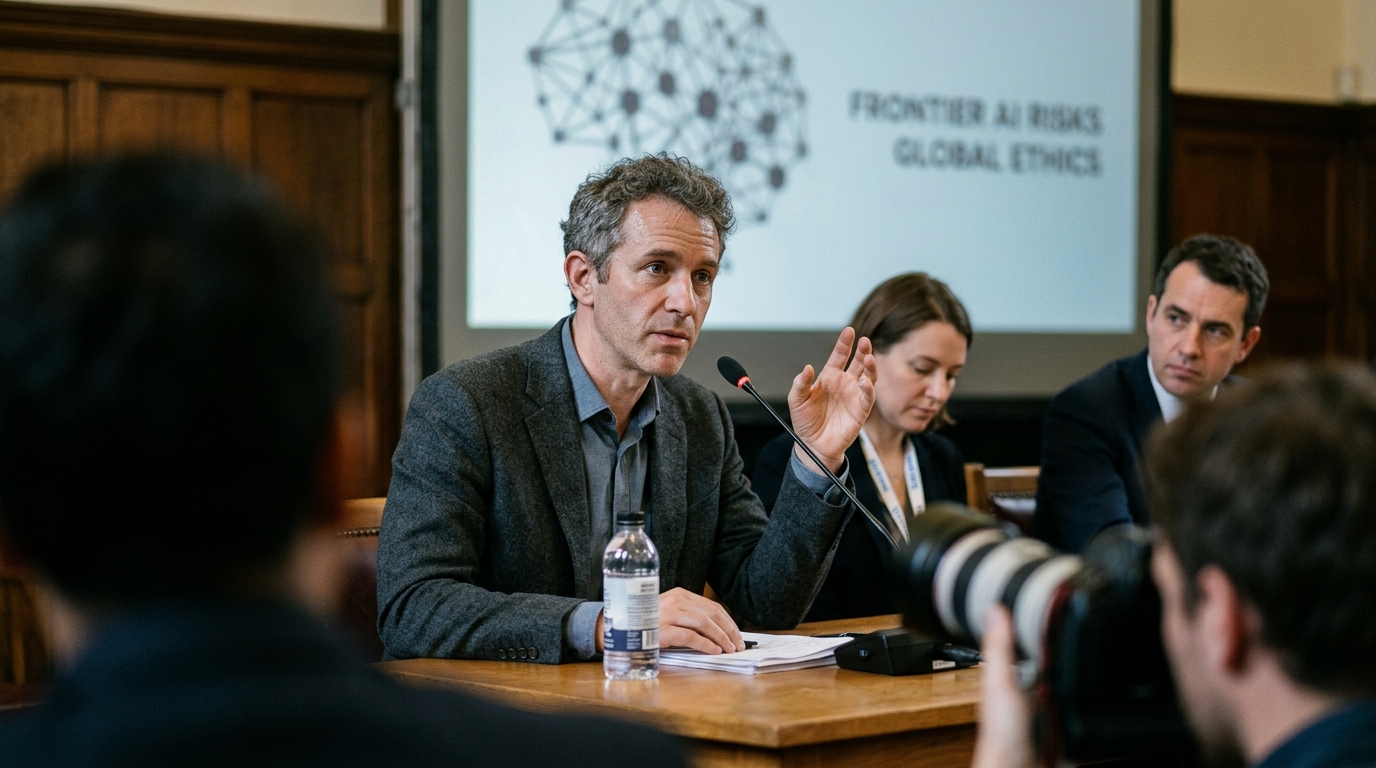
In the heart of the Vatican, beneath the shadow of St. Peter’s Basilica, Pope Leo XIV has issued his first encyclical, titled Magnifica Humanitas (Magnificent Humanity). This is no mere theological treatise; it is a searing indictment of the unchecked dominance of Artificial Intelligence and the accumulation of unprecedented power in the hands of a few technological giants. In an era where algorithms dictate everything from news consumption to judicial outcomes, the Catholic Church is attempting to draw a line between the 'tool' and the 'sovereign'.
The Technocratic Trap and Power Concentration
The central argument of the encyclical focuses on what the Pope calls the "technocratic paradigm." Leo XIV warns that humanity risks surrendering its moral judgment to systems that lack spirituality and empathy. "Technology is a gift from God, but when it is turned into an idol, man becomes a victim of his own creations," the text states poignantly.
Particular emphasis is placed on the economic and political dimensions of AI. The Pontiff does not hesitate to name "digital colonialism," describing how major tech firms extract data from the Global South while the fruits of automation remain locked within Silicon Valley and a few decision-making centers in the West and East. This concentration of power, according to the Vatican, threatens democracy and social cohesion, creating a new class of "digitally dispossessed."
The Concept of 'Algor-ethics'
Pope Leo XIV introduces and expands upon the term "algor-ethics," a concept that began to be discussed under his predecessor but has now received official doctrinal status. Algor-ethics demands:
- Transparency: Algorithms that affect human lives must be understandable and auditable by public bodies.
- Inclusion: AI design must reflect the cultural diversity of humanity, not just the values of its creators.
- Responsibility: There must always be a "human-in-the-loop" for decisions involving life, liberty, and dignity.
"We cannot allow a code to decide who is entitled to mercy or who deserves an opportunity. Grace is not a mathematical equation," the Pope writes, referring to the use of AI in judicial systems and social welfare.
Digital Anthropology and the Loss of the Sacred
Beyond political critique, Magnifica Humanitas delves into matters of ontology. The Pope expresses concern over the gradual erosion of human contact. In a world where AI companions and virtual spiritual guides are becoming commonplace, the Church sees a danger of the "sterilization of the soul." The encyclical emphasizes that the human experience is inextricably linked to the body, suffering, and mortality—elements that artificial intelligence seeks to bypass or imperfectly simulate.
This critique extends to the field of labor. Leo XIV argues that work is not just a means of subsistence, but a way for humans to participate in creation. The mass substitution of human creativity by Generative AI is not viewed as progress, but as an "alienation of spiritual production."
A Call for Global Governance
The conclusion of the encyclical is a plea to the international community for the creation of a binding legal framework. The Pope proposes an international body, under the auspices of the UN, to oversee AI development, similar to the International Atomic Energy Agency. "Just as we harnessed the power of the atom to avoid catastrophe, so must we harness the power of silicon," he concludes.
Magnifica Humanitas is expected to provoke strong reactions. For its supporters, it is a courageous voice of reason in a world racing blindly toward transhumanism. For its critics, it is an attempt by an ancient institution to maintain relevance in a world that no longer requires intermediaries for knowledge or morality. What is certain is that Pope Leo XIV has put his finger on the pulse of the issue: AI is not just technology; it is the new form of global sovereignty.