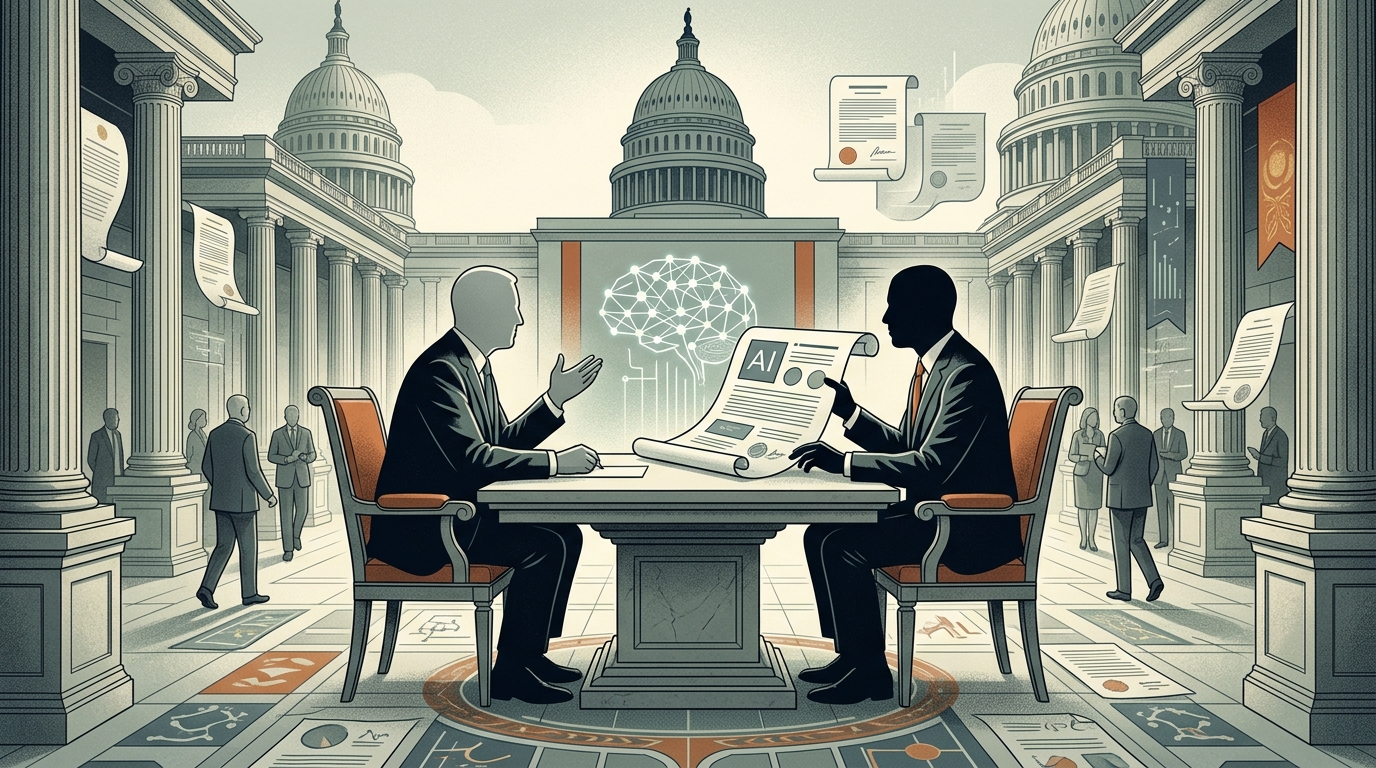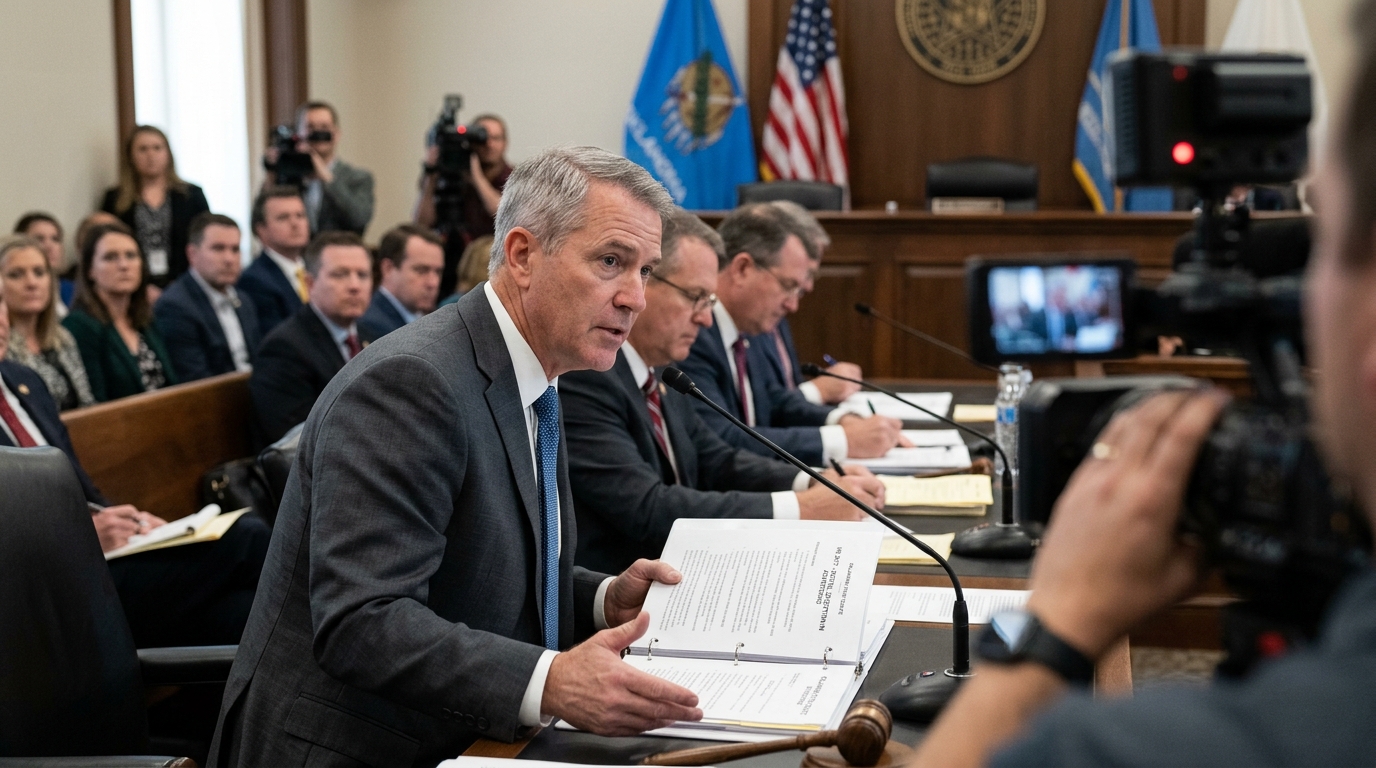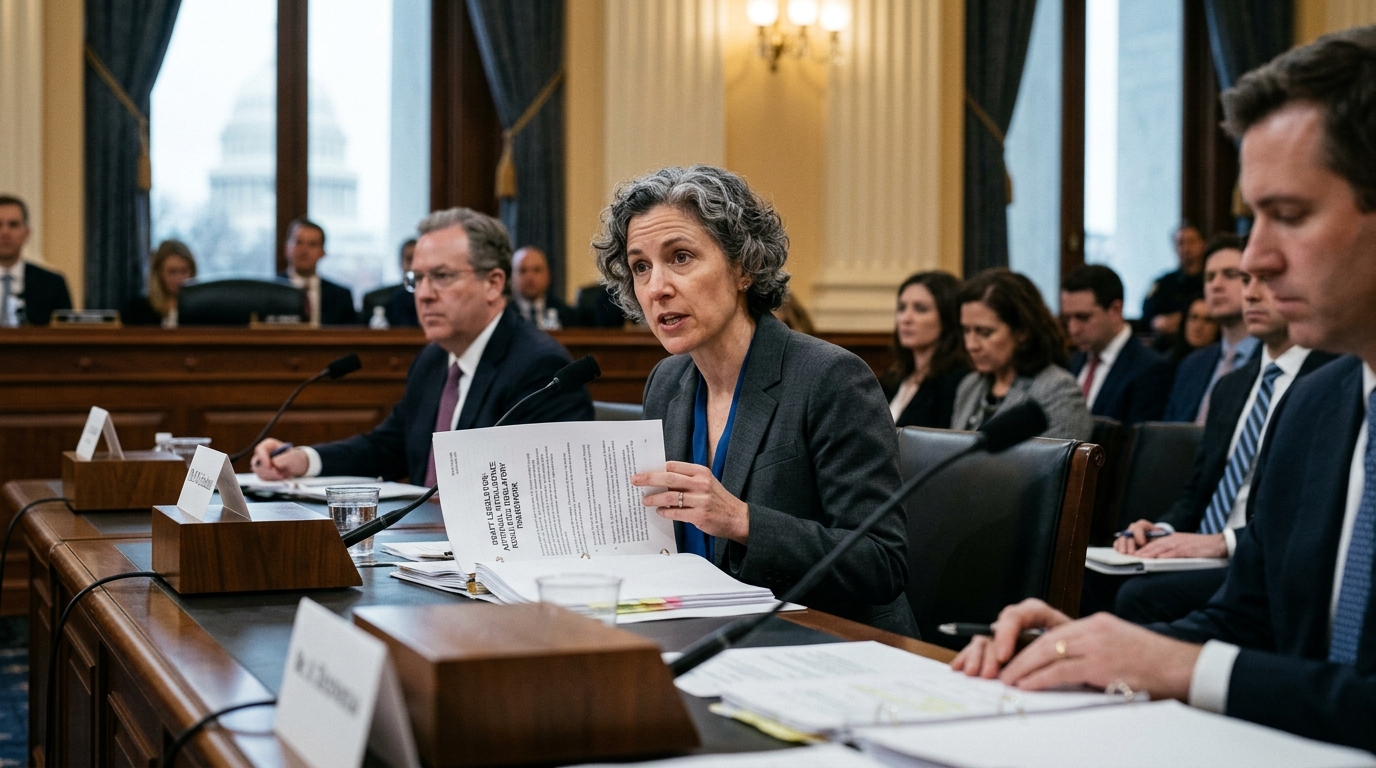
The history of the United States is punctuated by friction between state sovereignty and federal authority, but the newest battlefield is not over land or taxes—it is over code, data, and the algorithms that govern modern life. New York State Senator Kristen Gonzalez has issued a sharp warning against "federal pre-emption," a legal mechanism that could allow Congress to override the robust AI regulations being crafted in state capitals like Albany.
The Pre-emption Trap: A Gift to Big Tech?
At its core, federal pre-emption is the tech industry's most sought-after legislative prize. If a federal AI bill includes a pre-emption clause, it effectively nullifies any state law that is more stringent or provides additional protections beyond the federal baseline. For Senator Gonzalez and her allies, this is viewed as a "poison pill" designed to weaken consumer protections under the guise of national uniformity.
States have traditionally acted as the "laboratories of democracy," a concept famously championed by Justice Louis Brandeis. In the absence of federal action, states like New York, California, and Colorado have stepped into the vacuum, passing laws to curb biased AI in hiring, limit facial recognition, and protect children from predatory algorithms. Pre-emption would strip these states of their power to respond to the specific needs and values of their constituents.
The Corporate Argument for Uniformity
From the perspective of Silicon Valley, the warning from New York highlights a logistical nightmare. Industry giants like Meta, Google, and Amazon argue that a "patchwork quilt" of 50 different regulatory frameworks is impossible to navigate. They contend that varying standards for algorithmic transparency, data usage, and liability would stifle innovation and place American firms at a disadvantage globally.
- Tech companies lobby for a single federal standard to streamline compliance costs.
- Advocates argue that federal laws often represent a "floor," while states want to set a "ceiling."
- The legislative gridlock in D.C. often means federal standards lag years behind technological reality.
Senator Gonzalez counters this by pointing out that federal regulation is often the result of intense lobbying, leading to watered-down provisions that favor corporate interests over individual rights. By maintaining state-level authority, New York can move faster and more aggressively to address emerging threats like AI-generated deepfakes and automated discrimination.
A Constitutional and Digital Showdown
The debate is currently centered around the American Privacy Rights Act (APRA) and various AI-specific frameworks circulating in Washington. Many of these proposals include language that would prohibit states from enacting their own, tougher rules. This has led to a bipartisan coalition of state attorneys general and legislators voicing their opposition, arguing that the federal government should set a minimum standard, not a maximum limit.
"If we allow federal pre-emption to gut state laws, we are essentially telling our citizens that their rights are negotiable at the federal level but protected nowhere," a legislative aide remarked during a recent hearing.
As AI continues to permeate every sector of the economy—from healthcare to criminal justice—the question of who holds the regulatory leash becomes paramount. If states lose their ability to regulate, the burden of protection falls entirely on a federal government that has historically struggled to pass meaningful tech legislation. Conversely, if states retain their power, the tech industry must adapt to a complex, multi-layered regulatory environment that prioritizes regional democratic oversight over corporate convenience.
The outcome of this struggle will signal whether the future of AI in America will be governed by a centralized, business-friendly consensus or a decentralized, citizen-centric approach that allows for regional variation in ethics and privacy standards.