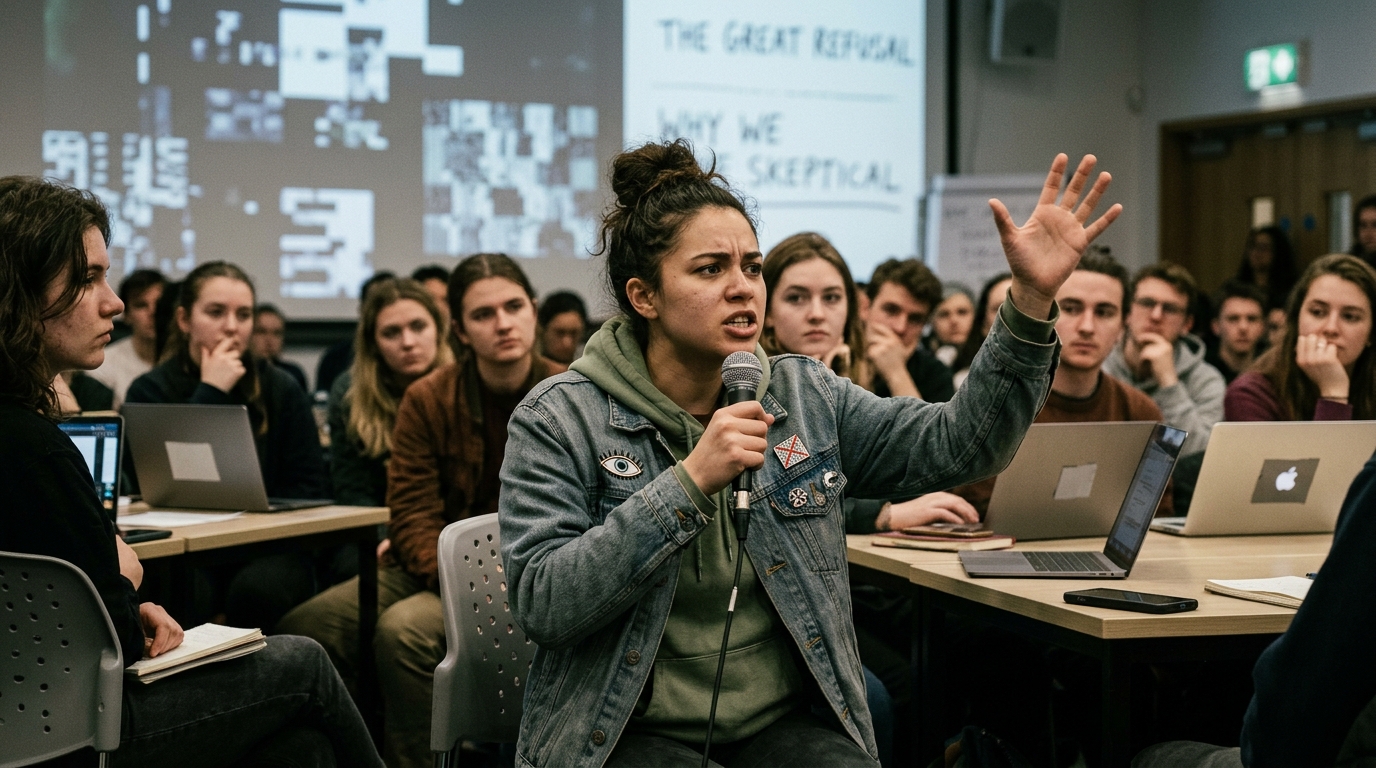
For years, the Silicon Valley narrative was straightforward: Gen Z, the digital natives, would naturally embrace Artificial Intelligence as the ultimate tool for progress. However, as of 2026, this prediction is facing a stark reality check. Instead of widespread adoption and enthusiasm, we are witnessing a surge of skepticism, resentment, and active resistance. The generation that grew up with smartphones is now leading the charge against automation, viewing it not as a promise of a utopia, but as an existential threat to creativity, economic stability, and human connection.
The Erosion of Creative Integrity
A primary driver of Gen Z’s anger is the perceived theft inherent in generative AI. For a generation that views self-expression through art, music, and writing as a core component of their identity, AI models represent a massive appropriation of human labor. These systems were trained on billions of human-made works without consent, and are now being marketed as replacements for the very people they learned from.
- The commodification of art into mere 'content' for algorithmic consumption.
- The disappearance of entry-level roles in creative industries like graphic design and copywriting.
- A profound rejection of the 'homogenization' of culture driven by predictive patterns.
As young creators often argue, AI doesn't create; it mimics. This distinction is vital for Gen Z, who are increasingly seeking authenticity in a world saturated with synthetic data. The 'rage against the machine' is no longer a vintage slogan; it is a daily digital protest against the devaluation of the human spirit in the creative process.
Economic Precarity and the Entry-Level Crisis
Beyond ethics, there is a deep-seated fear regarding the future of work. Gen Z is entering a labor market where traditional entry-level positions—those crucial first steps for building a career—are being automated.
"We were told to invest in our education and skills, only to be told that an algorithm can do our jobs for a fraction of the cost, even if the quality is lower,"notes a recent report on workforce trends among young professionals.
This sense of betrayal is exacerbated by the corporate rhetoric that AI is an 'inevitable' force of nature. Gen Z is challenging this inevitability. They question why progress must come at the expense of human dignity and job security. Their anger is directed at executives who use AI as a convenient excuse for mass layoffs while reaping record profits from productivity gains built on the backs of human workers.
Environmental Concerns and Social Erosion
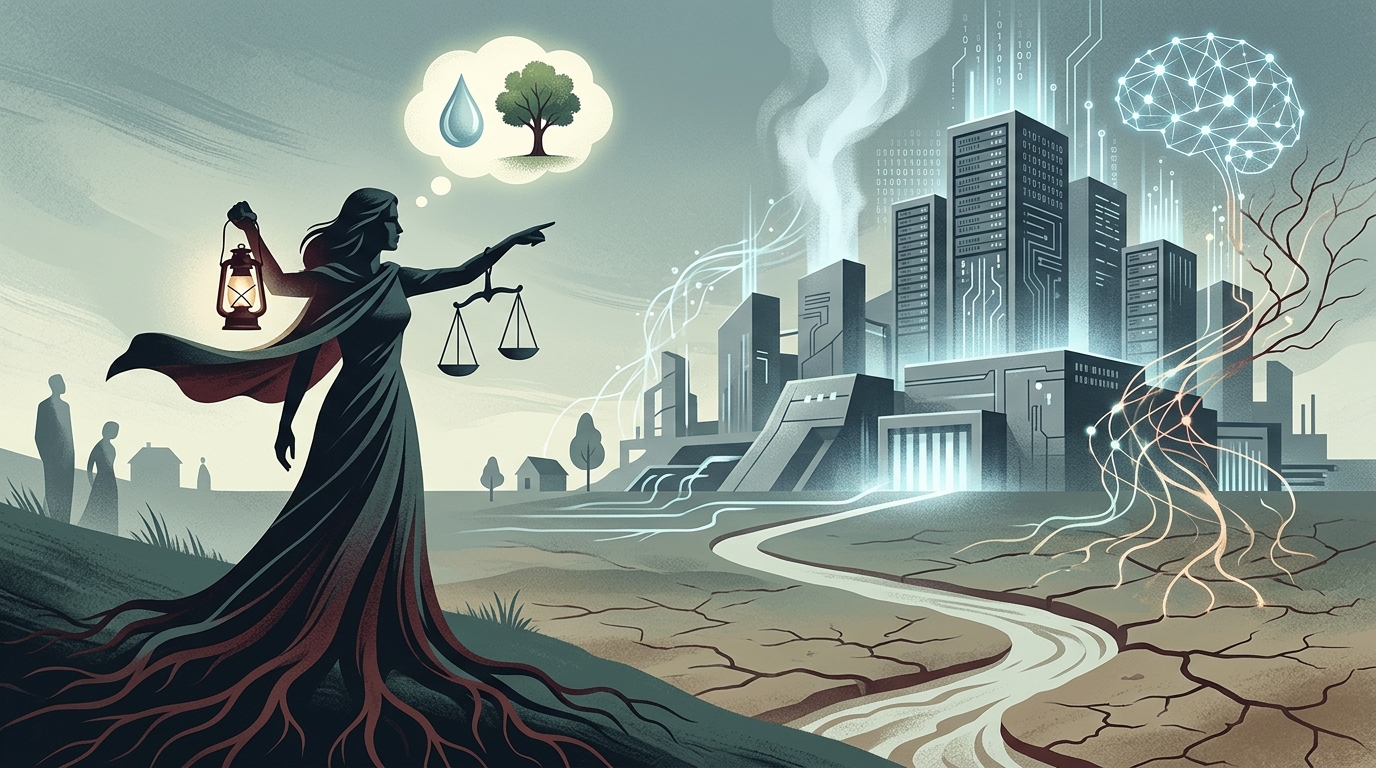
Gen Z is arguably the most climate-conscious generation in history. The realization that training and maintaining massive AI models requires staggering amounts of electricity and water for data center cooling has sparked significant backlash. In an era of climate crisis, the resource-heavy nature of AI seems like an unjustifiable luxury for many young activists.
Furthermore, the social implications of AI—from the reinforcement of systemic biases to the erosion of objective truth through deepfakes—have decimated trust in digital institutions. Gen Z sees AI as a tool that widens the gap between the powerful and the marginalized. Their response is a notable shift toward the 'analog': the resurgence of film photography, vinyl records, and offline communities is a deliberate attempt to escape algorithmic surveillance and control.
Conclusion: A Demand for Human-Centric Tech
The skepticism of Gen Z is not a blind 'Luddite' reaction to change. Rather, it is a sophisticated demand for a new social contract—one where technology serves humanity instead of exploiting it. They are calling for strict regulation, robust copyright protections, and a fundamental re-centering of human value in the economy. If tech giants fail to address this growing anger, they risk alienating the very generation that was supposed to be their most loyal user base.