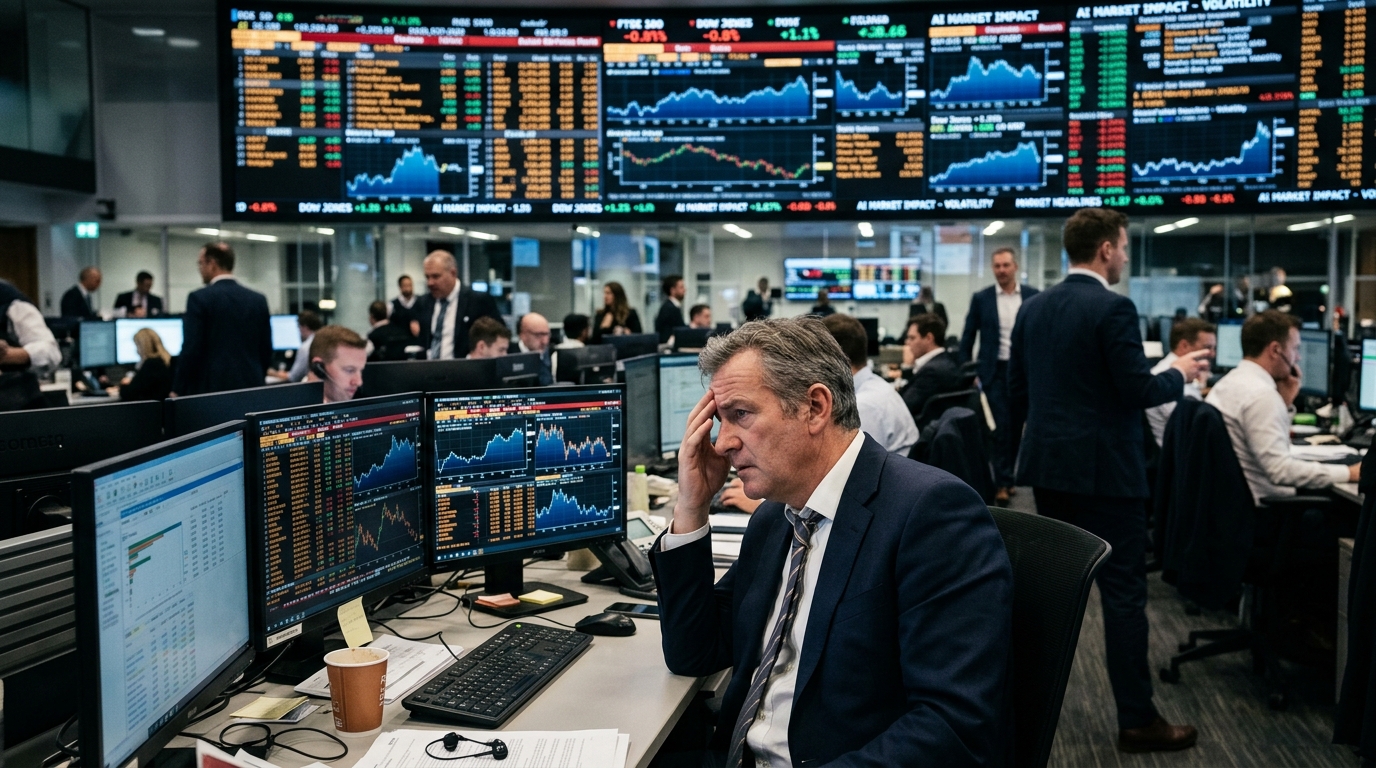
The global economy stands at the threshold of a new era, where a nation's power is no longer measured solely by oil reserves or gold, but by its capacity to produce and control semiconductors. The recent explosion in Artificial Intelligence (AI) development has transformed microchips from simple computer components into strategic assets of paramount importance. According to recent reports from the South Korean market, demand for AI investments is expanding at an unprecedented pace, creating a domino effect that impacts everyone from memory manufacturers to foundry giants.
The High Bandwidth Memory (HBM) Revolution
While NVIDIA remains the poster child of the AI revolution with its GPU processors, the real battle is being fought behind the scenes in the memory sector. AI requires massive amounts of data to be moved at incredible speeds. This is where HBM (High Bandwidth Memory) comes in. Companies like SK Hynix and Samsung Electronics are in a feverish race to fulfill orders. SK Hynix, in particular, has seen its market capitalization soar as it serves as the primary supplier of HBM3E chips to NVIDIA.
This demand is not fleeting. Analysts estimate that the AI semiconductor market will continue to grow at double-digit rates for the next decade. The transition from "training" AI models to "inference" means that soon every device, from our smartphones to our refrigerators, will need specialized AI chips, further broadening the scope of this economic boom.
The Geopolitical Chessboard and the "Silicon Shield"
The rise of semiconductors has inevitably taken on political dimensions. The United States, China, and the European Union are engaged in a costly subsidy race. The US CHIPS Act and similar initiatives in the EU aim to repatriate production, reducing dependence on Taiwan and South Korea. However, the complexity of the supply chain makes full autonomy nearly impossible.
"Whoever controls the production of 2nm chips controls the future of global intelligence," leading industry analysts remark.
Taiwan, through TSMC, remains the central pillar of global production. The country's so-called "silicon shield" is simultaneously its greatest economic asset and its greatest geopolitical risk. The need to diversify production locations is driving massive investments in new fabrication plants (fabs) in Arizona, Germany, and Japan, but costs and a shortage of skilled personnel remain significant hurdles.
Economic Implications and the Future of Investment
Capital expenditures (Capex) by tech giants such as Microsoft, Google, and Meta have reached record levels. These companies aren't just buying chips; they are building the "intelligence factories" of the future. This massive influx of capital has altered the cyclical nature of the semiconductor industry. Traditionally, the sector experienced boom-and-bust cycles tied to PC and smartphone sales. Now, the structural need for AI infrastructure is creating a more stable, albeit sharply upward, trajectory.
However, challenges persist. The power consumption of data centers housing these chips is staggering. The next phase of the semiconductor boom must focus on energy efficiency. If the industry fails to reduce the energy footprint of AI chips, growth could hit physical and environmental limits. In conclusion, the semiconductor industry is no longer just a tech sector; it is the backbone of the modern economy, and the current boom is only the beginning of a long-term transformation.