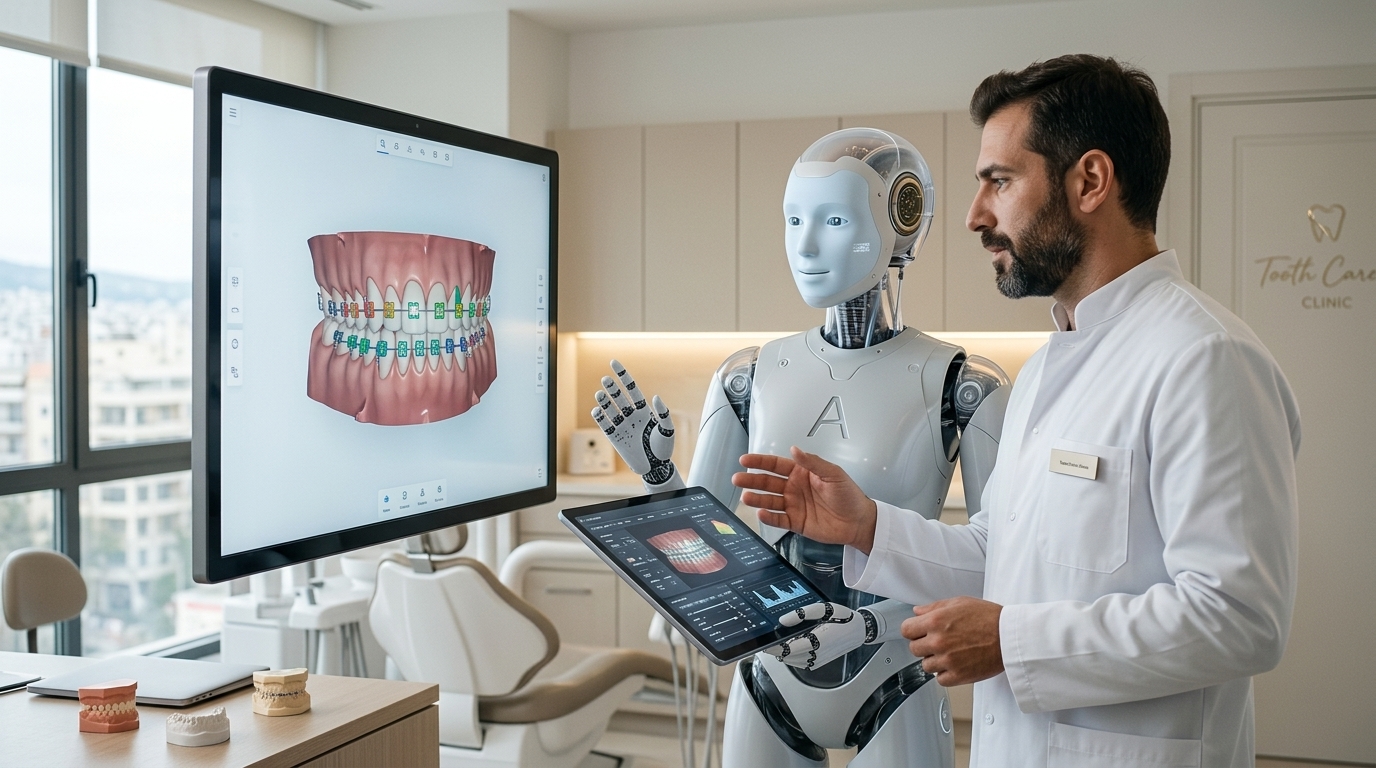
The rapid advancement of Artificial Intelligence (AI) has begun to reshape the landscape of modern medicine, and orthodontics is no exception. From automated analysis of cephalometric radiographs to the design of personalized clear aligners, the promise of more efficient and accessible treatment is enticing. However, as noted by Dr. Dimitris Kloukos, owner of Tooth Care clinics, this technological euphoria is accompanied by a series of ethical issues that the industry has largely neglected.
The Illusion of Perfection and the "Black Boxes"
The primary problem with the application of AI in orthodontics lies in the lack of transparency of the algorithms. Many systems operate as "black boxes," where decisions about tooth movement are made based on patterns that neither the patient nor the doctor can fully control. When an algorithm proposes a treatment plan, it relies on historical data from thousands of other patients. But what happens when a specific individual's biological response deviates from the average?
Orthodontics is not just a geometric exercise in moving objects in space. It is a medical intervention in living tissues. Over-reliance on AI can lead to a "mechanization" of treatment, where the doctor's clinical experience is sidelined in favor of computational power. The ethical principle of beneficence is compromised when the gain from speed outweighs individualized care.
Data Privacy: The New "Gold" of Dentistry
To train AI algorithms, vast amounts of data are required: X-rays, facial photographs, and 3D scans. But who owns this data? In the age of the digital economy, patients' medical records become tradable commodities. There is a fear that big tech companies might use this sensitive data without the full and informed consent of patients, or that anonymization processes are not robust enough to prevent re-identification.
- Data Security: Cloud storage increases the risk of cyberattacks.
- Commodification: Using data to develop commercial products without giving back to the patient.
- Consent: Patients often sign terms of use they do not fully understand.
The Threat of Direct-to-Consumer (DTC) and De-skilling
One of the most concerning trends is the rise of companies offering orthodontic treatment directly to the consumer, bypassing the need for a physical orthodontic presence. AI is the driving force behind this model. While promoted as a "democratic" solution that reduces costs, it actually poses serious risks to public health. Without a clinical examination, issues such as periodontitis or temporomandibular joint disorders may be ignored, leading to irreversible damage.
Furthermore, there is the risk of "de-skilling." If young orthodontists begin to rely exclusively on AI for diagnosis and planning, they will lose the ability to critically judge the results. Technology must act as a tool for augmenting human capability, not as a substitute for it.
Conclusion: Towards an Ethical Framework
Artificial Intelligence in orthodontics is here to stay, and its potential is undeniable. However, its integration must be guided by human-centric values rather than algorithmic profit. A strict regulatory framework is needed to ensure the transparency of algorithms, the protection of personal data, and, above all, the maintenance of the orthodontist's central role in the therapeutic process. The smile of the future must be the result of a harmonious collaboration between digital precision and human empathy.