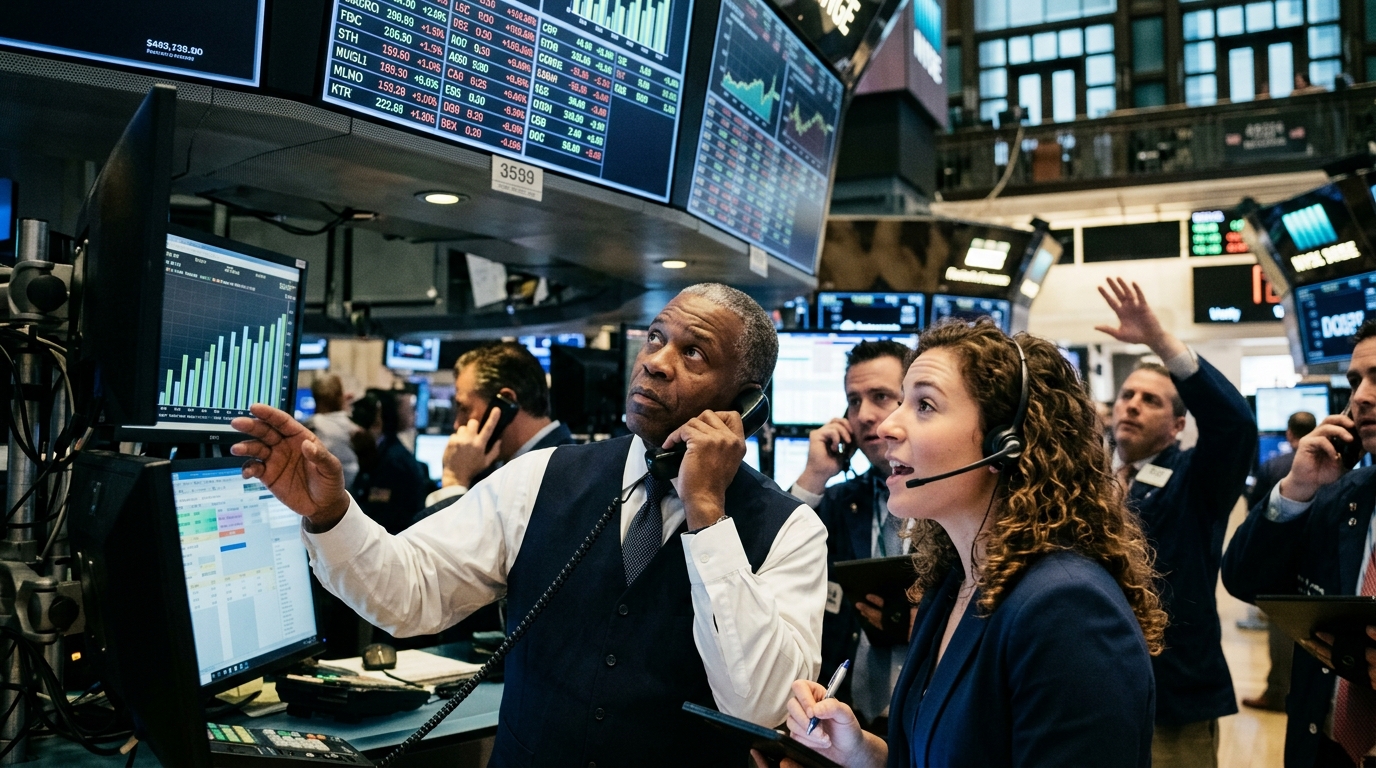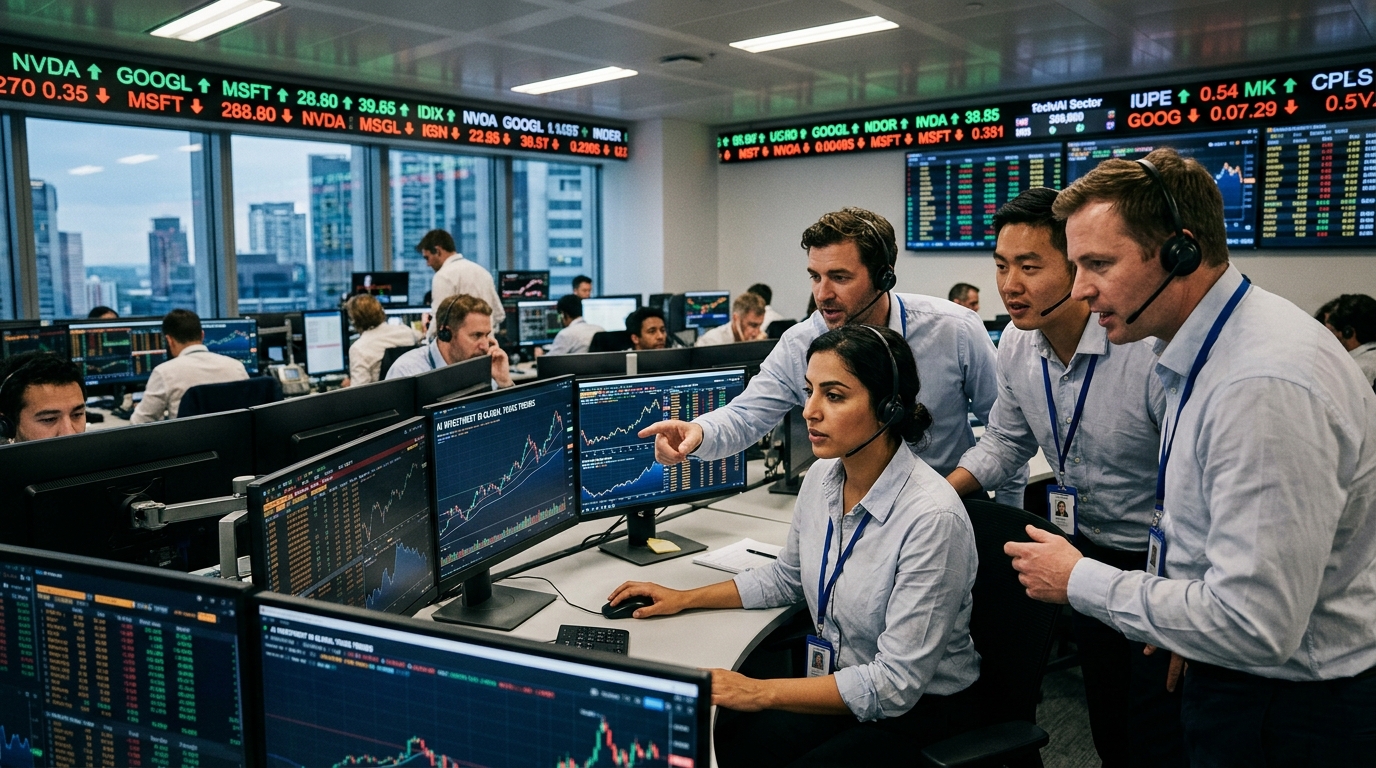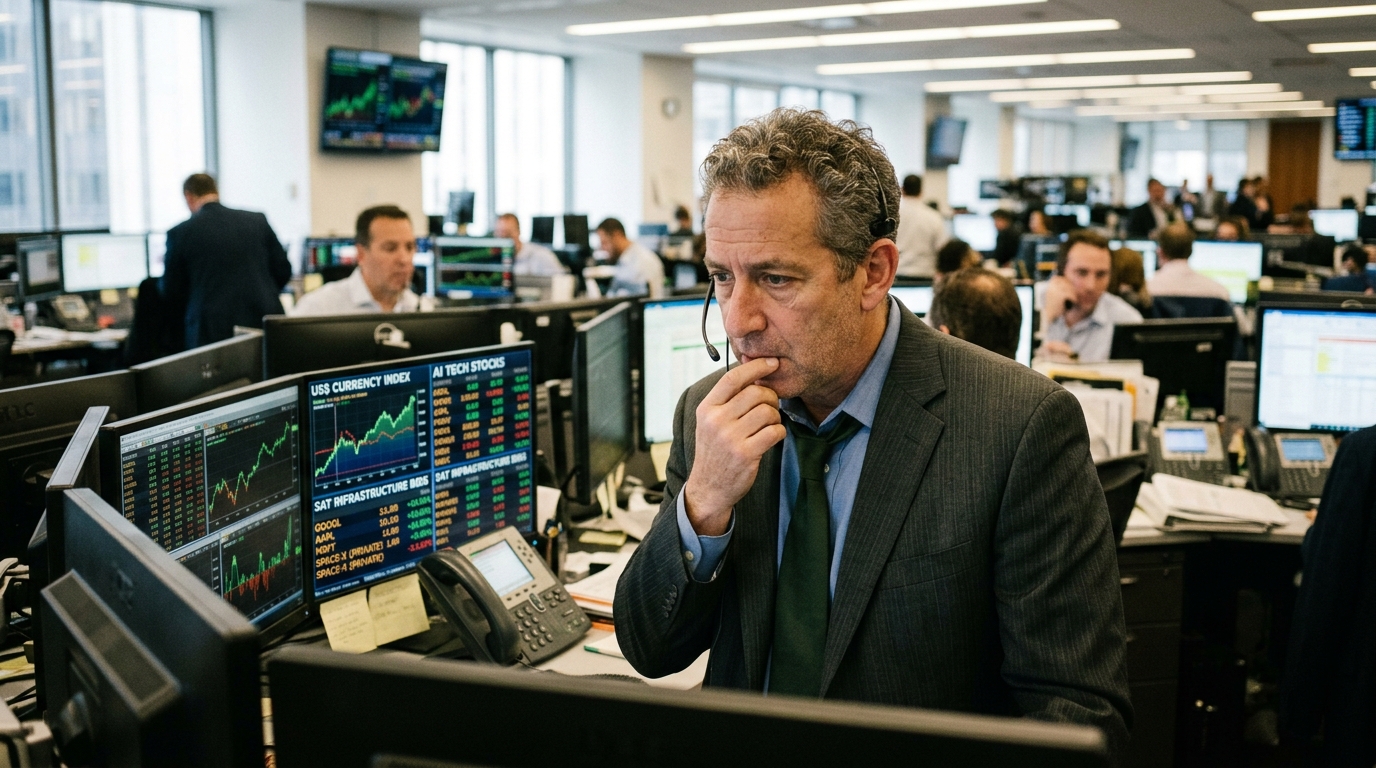
April 22, 2026, will likely be recorded as a milestone date for the Greek capital market. In a period where the global economy is searching for new anchors of stability, Athens appears to be finding its place at the heart of the European financial architecture. Stéphane Boujnah, the powerful head of Euronext, is no longer hiding his optimism: the Athens Stock Exchange (ATHEX) is no longer the 'sick man' of Europe, but a strategic partner in a pan-European market aiming to compete with Wall Street.
The Technological Leap as a Catalyst
The essence of the recent upgrade extends beyond mere communication tactics. The migration to the Optiq platform, Euronext's technological 'jewel,' constitutes the technical backbone of this new era. For years, the Athens Stock Exchange operated in a relatively isolated technological environment, which limited visibility and accessibility for major international institutional investors. By adopting common European trading standards, Athens now 'speaks' the same language as Paris, Amsterdam, and Milan.
This integration drastically reduces transaction costs for international players and allows for the seamless flow of capital. As analysts at Naftemporiki note, this move is not just about order speed, but about the reliability of the system. In a world dominated by algorithms, technological compatibility is the passport to attracting liquidity. Greece, having regained investment-grade status, now offers a combination of security and growth prospects that is rare in the rest of the Old Continent.
Stéphane Boujnah’s Vision for Greece
The CEO of Euronext, in recent statements, described Greece as the 'success story' that Europe needed. After a decade of painful adjustment, the Greek economy is exhibiting growth rates that exceed the European average. Boujnah is betting on the fact that the Athens Stock Exchange can function as a gateway for capital targeting the Eastern Mediterranean and the Balkans.
- Increased capitalization through new Initial Public Offerings (IPOs).
- Enhancement of the free float of existing listed companies.
- Attraction of capital from the technology and green energy sectors.
- Improvement of corporate governance in line with European standards.
Euronext's strategy is clear: the creation of a unified European capital market capable of financing the great challenges of our time, from climate change to artificial intelligence. Athens' inclusion in this network grants the Greek stock exchange the prestige of an 'insider' within the European economic elite.
Challenges and the Liquidity Question
Despite the enthusiasm, the road is not without obstacles. Liquidity remains the major requirement for the Greek market. While large-cap companies in the FTSE 25 enjoy the interest of foreign investors, mid- and small-cap stocks often remain on the sidelines. The challenge for ATHEX management and the government is to convince dynamic Greek businesses that going public is preferable to bank borrowing or selling to private equity funds.
"Greece is no longer an emerging market struggling for survival, but a mature market seeking its next leap," a Euronext executive characteristically noted.
Furthermore, geopolitical instability in the region remains a risk factor. However, the protection provided through Euronext offers a safety net. The ability of Greek companies to raise capital from a pan-European pool of investors changes the game for the construction, energy, and tourism sectors, which are the pillars of the Greek economy.
Conclusion: The Day After
The convergence with Euronext is the culmination of years of effort. For the average Greek investor, this means access to a more transparent and efficient market. For the Greek economy, it means the ability to finance its future without depending exclusively on state subsidies or European funds. Boujnah's bet is simultaneously a bet for Greece itself: can the country transform into a regional financial hub? The first signs are more than encouraging.