As we navigate the second quarter of 2026, the global supply chain is undergoing its most significant transformation since the advent of containerization. The convergence of Artificial Intelligence (AI) and Digital Twins has forged a new management paradigm where uncertainty—the traditional nemesis of trade—is beginning to evaporate. According to recent insights from Global Trade Magazine, organizations that have fully embraced these technologies report a 25% reduction in operational costs and a 40% improvement in resilience against unforeseen disruptions.
The Anatomy of a Digital Twin
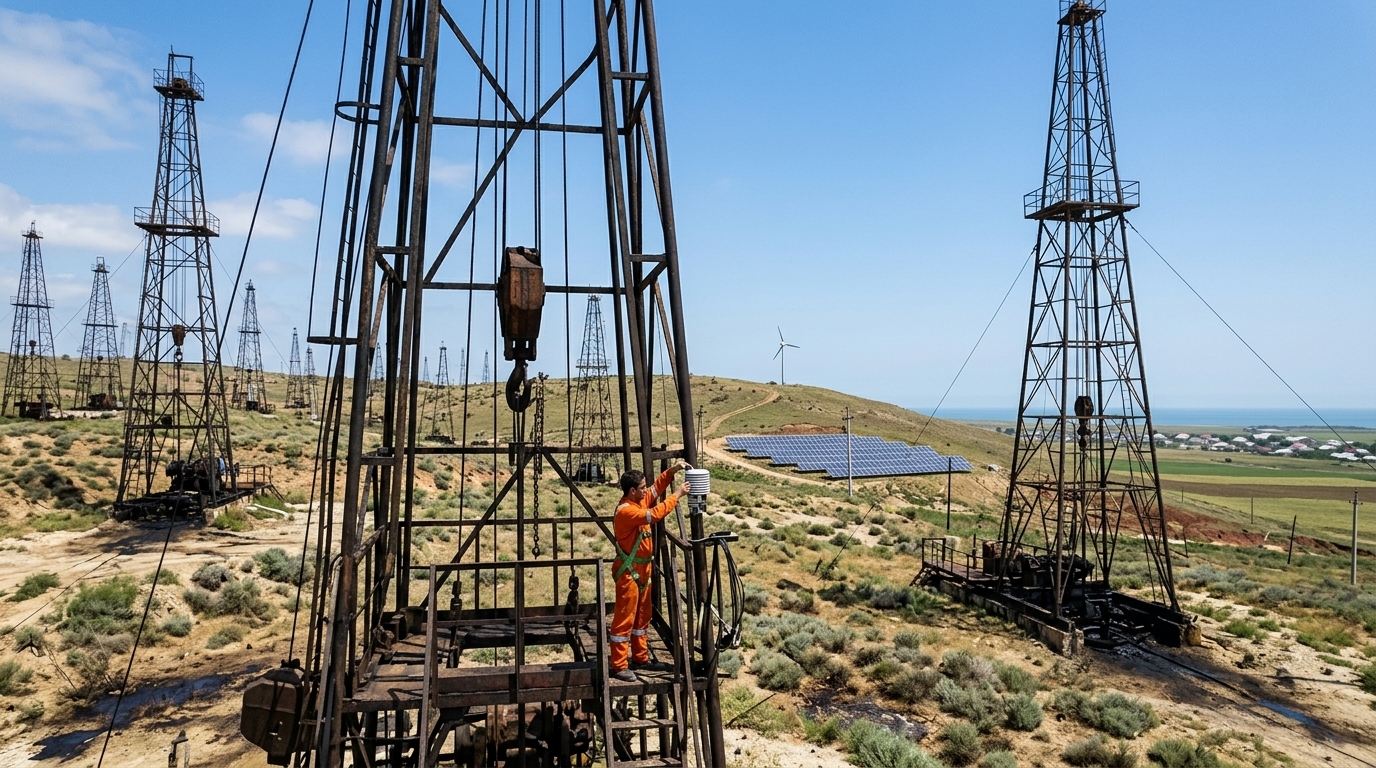
A Digital Twin in 2026 is far more than a 3D model of a warehouse or a vessel. It is a dynamic, virtual mirror of the entire supply network, fed by real-time data from billions of IoT (Internet of Things) sensors. From the internal temperature of a container in the mid-Atlantic to the offloading speed at the Port of Rotterdam, every data point is integrated into the model.
"We aren't just monitoring what is happening; we are simulating the future every second," says Dr. Eleni Papadopoulou, CTO of a leading global logistics firm. "If a port strike breaks out in Asia or a supercell storm forms in the Pacific, the Digital Twin has already calculated five alternative routes before a human operator is even notified."
Utilizing platforms like NVIDIA Omniverse and Microsoft’s evolved Azure Supply Chain Center, enterprises can run "what-if" scenarios with up to 98% accuracy. This means decisions that once required days of committee meetings are now executed in milliseconds by reinforcement learning algorithms.
AI as the Supply Chain's Brain
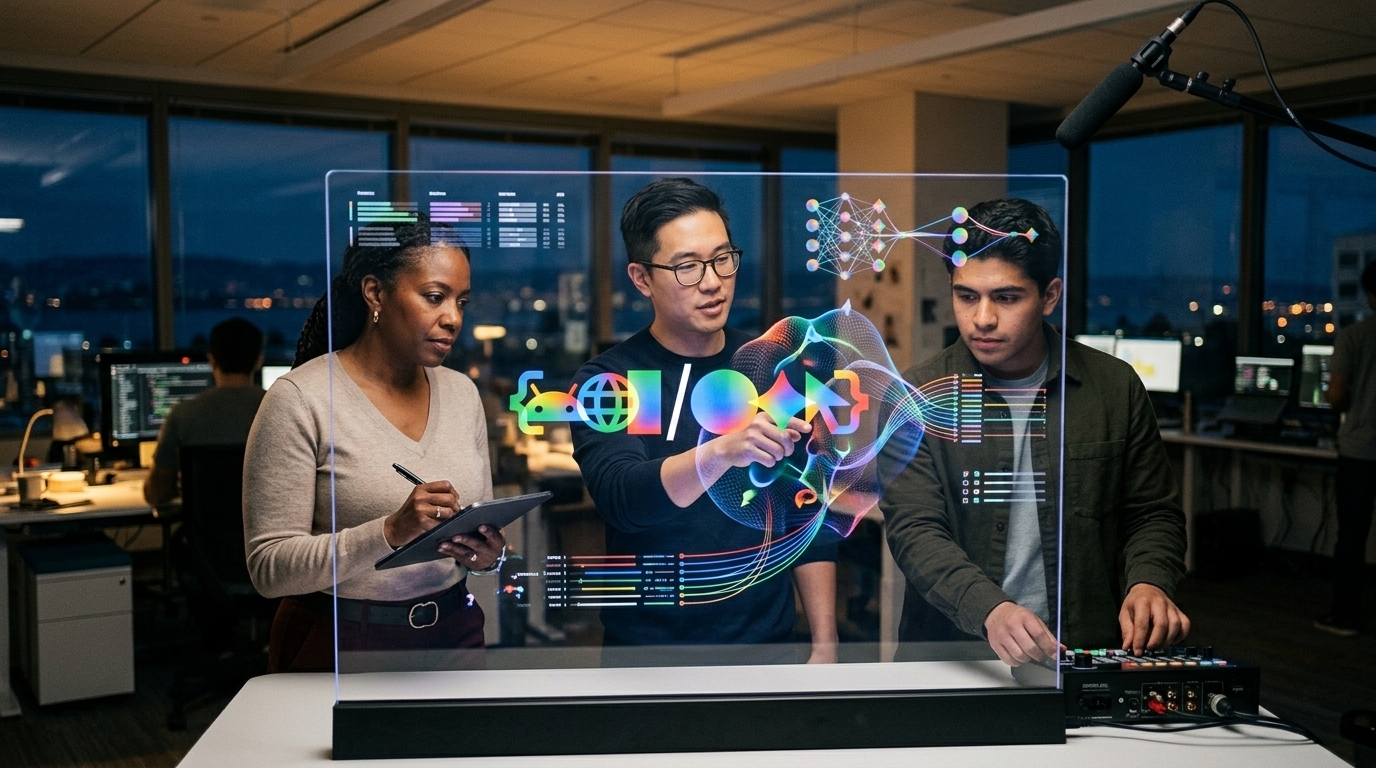
While Digital Twins provide the body and the senses, AI serves as the cognitive engine. In 2026, Generative AI has moved beyond text generation to handle complex supplier negotiations and inventory optimization. Algorithms no longer just forecast demand based on historical data; they analyze geopolitical shifts, climate patterns, and social sentiment to adjust production proactively.
- Autonomous Negotiation: AI agents negotiate freight rates in real-time, capitalizing on unused vessel capacity that humans might overlook.
- Predictive Maintenance: Fleets of ships and autonomous trucks "self-diagnose," scheduling repairs during natural downtimes to prevent mid-transit failures.
- Carbon Footprint Optimization: AI selects the most eco-friendly routes, balancing speed with fuel efficiency to meet the stringent EU environmental mandates of 2026.
Geopolitical Resilience and Strategy
In the current geopolitical climate, supply chains have become both weapons and shields. Digital Twins allow nations and corporations to "de-risk" by simulating the impact of trade wars or regional conflicts. This capability has led to a rise in "friend-shoring," where AI identifies the most stable and ethically compliant partners within a digital ecosystem.
For maritime hubs like Piraeus or Singapore, this technological shift is transformative. These ports have become high-tech nerve centers where AI orchestrates the movement of millions of TEUs with minimal human intervention, ensuring that the global flow of goods remains uninterrupted even during local volatility.
Challenges and the Human Element
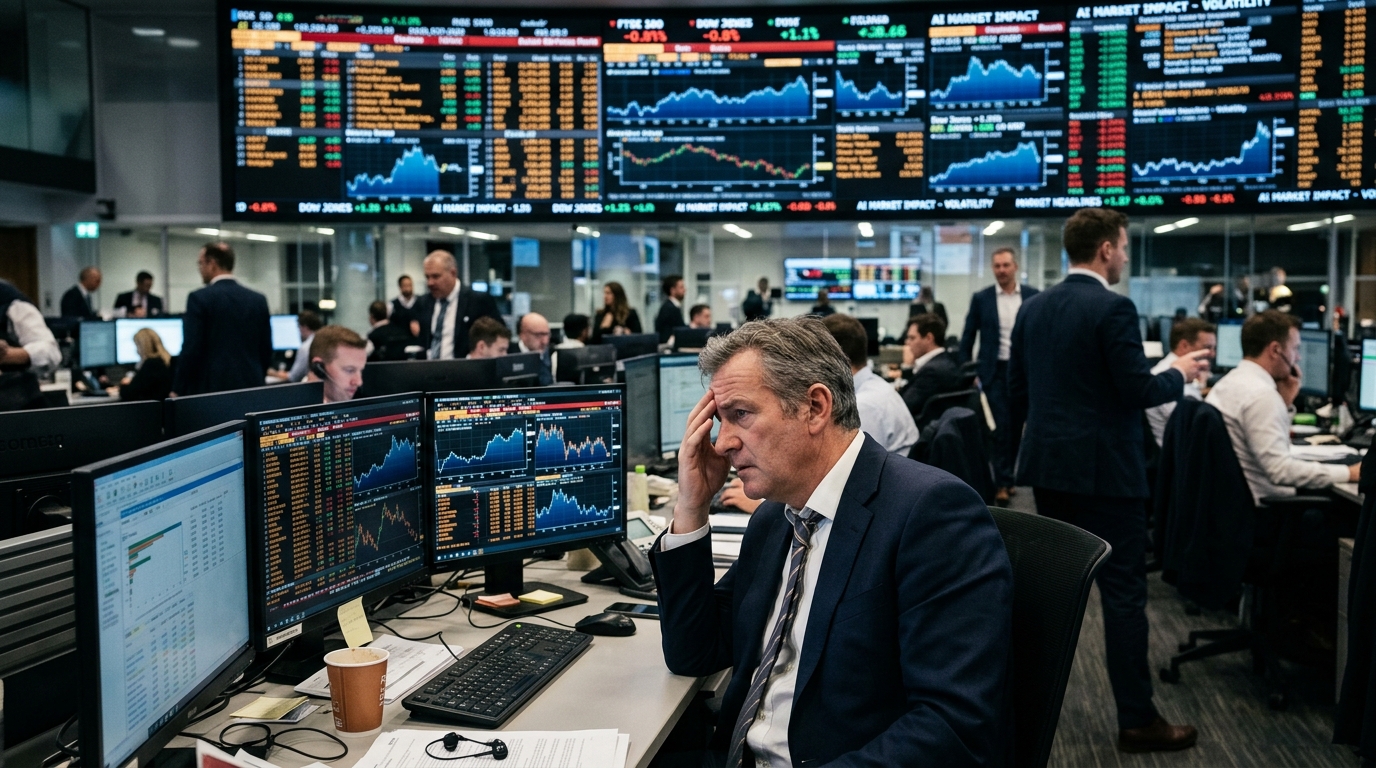
Despite the technological optimism, significant hurdles remain. Cybersecurity is the primary concern; a Digital Twin is a high-value target for state-sponsored actors or ransomware groups. If a twin is compromised, the physical chain it controls becomes vulnerable. Furthermore, the labor market is shifting. While manual warehouse roles are increasingly automated, there is a burgeoning demand for "Supply Chain Architects"—professionals capable of managing and auditing these complex AI systems.
In conclusion, 2026 marks the end of the era of "reactive logistics" and the dawn of "predictive commerce." The supply chain is no longer a liability to be managed, but a strategic asset. By leveraging AI and Digital Twins, the global economy is finding a new level of stability, proving that in the digital age, foresight is the most valuable commodity of all.