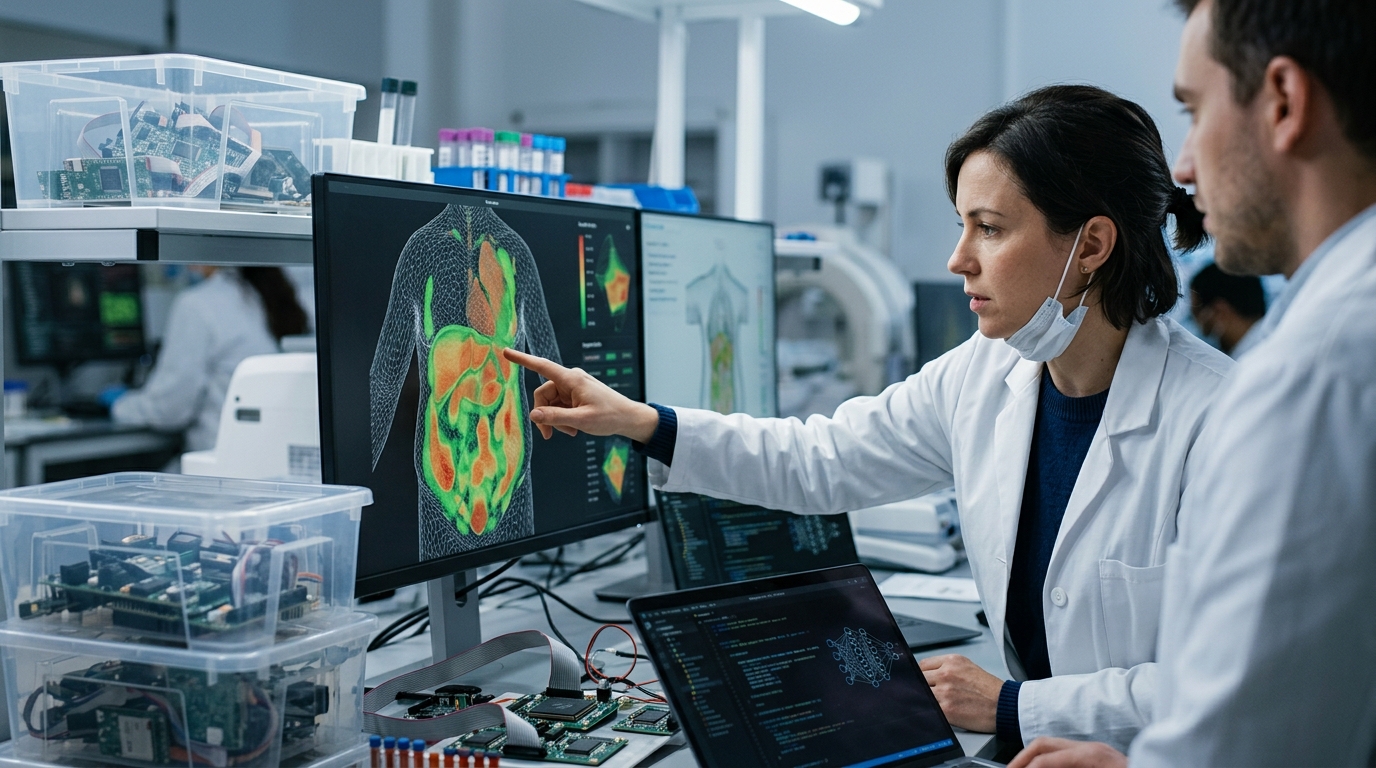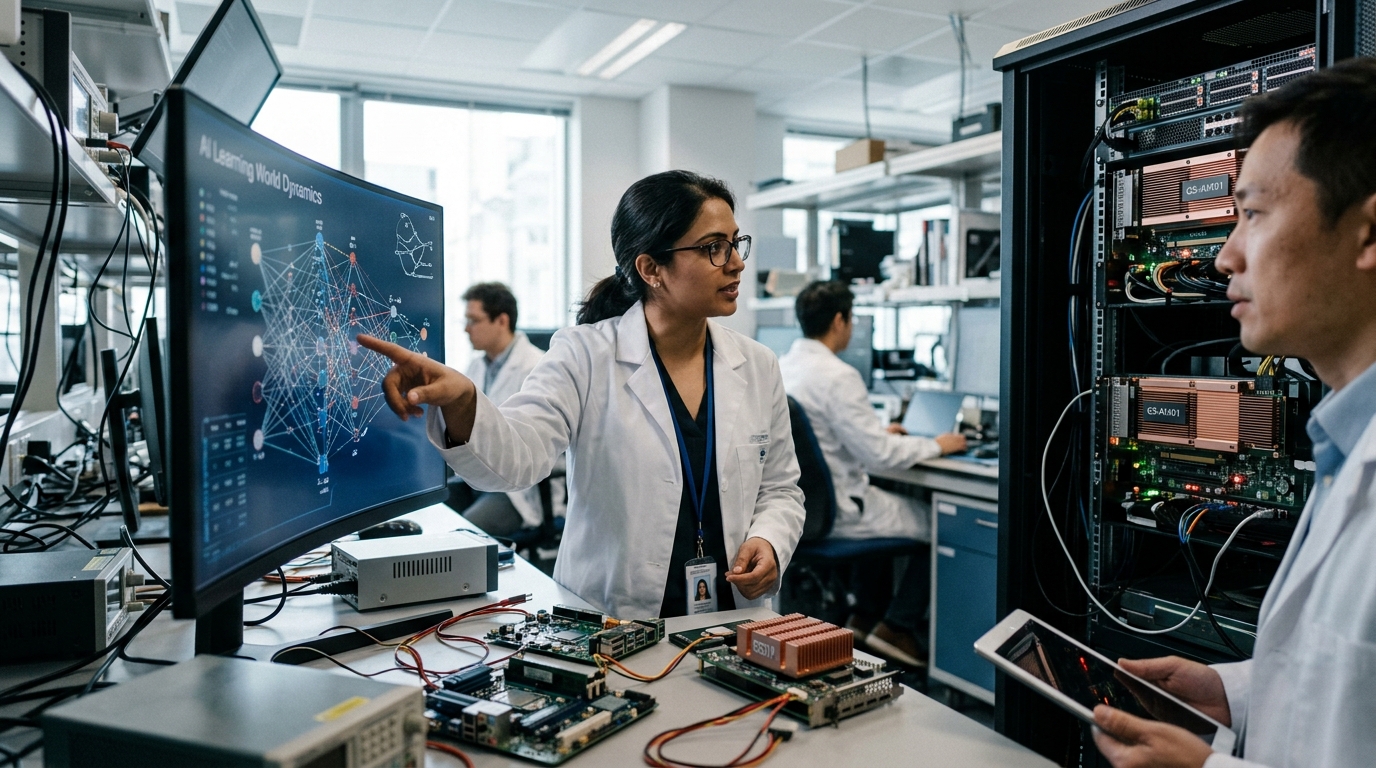
The evolution of Artificial Intelligence (AI) is entering a new, decisive phase. While previous years were dominated by Large Language Models (LLMs) that processed text, a new research note from Goldman Sachs highlights a pivot toward "World Models." These are systems that don't just predict the next word in a sentence, but the next state in the physical world, understanding the laws of physics, gravity, and causality.
Beyond Text: The Rise of World Models
According to Goldman Sachs analysts, the ability for AI to "learn how the world works" is the holy grail of computer science. Traditional LLMs, despite their impressive fluency, remain "stochastic parrots" that lack common sense regarding material reality. A world model, however, can simulate the consequences of an action before it happens. For instance, if a robotic device is to pick up a glass cup, the world model understands the fragility of the material and the required pressure, not through programmed rules, but through visual and spatial learning.
This development is critical for autonomous driving and industrial robotics. Goldman Sachs points out that companies like Tesla, Wayve, and OpenAI are investing billions in this direction. The stakes are no longer just about content generation, but the automation of physical labor on a scale previously thought impossible.
Economic Implications and the Investment Cycle
The report emphasizes that we are in the second phase of the AI investment cycle. The first phase concerned infrastructure (Nvidia's semiconductors), while the current phase focuses on integrating AI into the real economy. Goldman Sachs predicts that world models will unlock massive productivity in sectors such as supply chain, construction, and healthcare.
- Reduction in Sim2Real Costs: The transition from simulation to reality is becoming faster, allowing robots to train in digital environments before being deployed in the field.
- Capital Expenditure (CapEx): Big Tech companies are expected to increase spending on data centers that support video and 3D data processing, which are far more demanding than text.
- Labor Market: Automation is moving from offices to factories, sparking a new debate on workforce reallocation.
"We are not just seeing an improvement in software, but a fundamental shift in how capital interacts with physical matter," the report states.
Challenges: Data and Energy
Despite the optimism, significant hurdles remain. Training models that understand the world requires vast amounts of high-quality video data, which is difficult to collect and label. Furthermore, the energy consumption of these systems is many times that of LLMs. Goldman Sachs warns that power shortages and electrical grid capacity could act as the "brake" on this technological revolution.
Moreover, the issue of safety arises. If an AI understands the laws of physics, it can be used to create safer vehicles or, conversely, sophisticated weapon systems. The need for a regulatory framework covering "Physical AI" is more pressing than ever, as this technology ceases to be confined to a screen and gains a "body" in the real world.
Conclusions for 2026
As we move through 2026, the distinction between the digital and physical worlds is blurring. Goldman Sachs' analysis reminds us that AI is no longer just an office tool, but an active player on the global geopolitical and economic stage. The ability of a machine to perceive space, time, and causality represents humanity's next great leap, with consequences that will define the next decade.