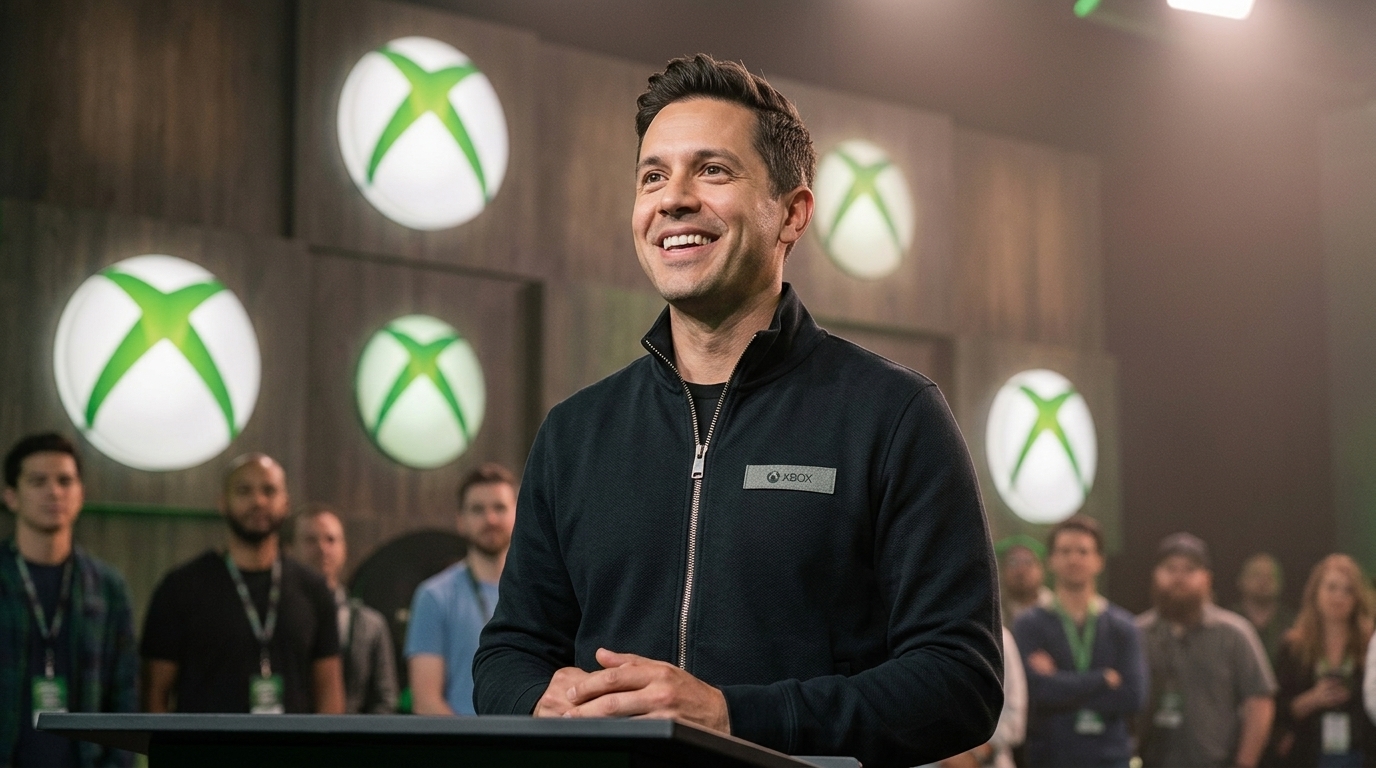
In an era where traditional boundaries between gaming platforms are dissolving, Microsoft is attempting to fundamentally redefine its identity. A recent internal memo, co-signed by the new Xbox CEO Asha Sharma and Chief Content Officer Matt Booty, titled 'We Are Xbox,' is not merely a corporate manifesto but a strategic roadmap for survival and dominance in the digital age. The core message is clear: Xbox is no longer defined by the plastic box under the television, but by the community of players engaging with its content across every possible screen.
The Shift from Hardware to Ecosystem
For decades, success in the video game industry was measured by a single metric: console sales. However, Sharma and Booty make it explicitly clear that this model belongs to the past. The new primary Key Performance Indicator (KPI) is Daily Active Players (DAP). This paradigm shift reflects Microsoft’s broader strategy to transform Xbox into a service accessible everywhere—from PCs and mobile phones to smart TVs and cloud gaming devices.
The memo emphasizes that the console remains the 'premium' entry point, the flagship experience, but it is no longer the sole destination. Microsoft recognizes that to grow beyond the 50-60 million users who traditionally purchase an Xbox console, it must reach the billions of people who play games on mobile devices. The acquisition of Activision Blizzard King is pivotal here, providing the necessary expertise and massive titles (like Candy Crush and Call of Duty Mobile) to conquer the mobile market.
Content and the Multi-platform Reality
One of the most controversial aspects of this new strategy is the release of former Xbox exclusives on competing platforms, such as the PlayStation 5 and Nintendo Switch. While brand loyalists viewed this move as a 'surrender,' Microsoft leadership presents it as a rational business decision. In the worldview of Sharma and Booty, content is king, and limiting that content to a single device restricts revenue and reach.
- Game Pass: The subscription service remains the central pillar, offering a massive library that acts as the 'connective tissue' across devices.
- Cloud Gaming: Continued investment in cloud infrastructure allows high-end gaming experiences without the need for expensive hardware.
- Community: A focus on connecting players via the Xbox Network, regardless of their chosen hardware.
This strategy carries significant risks. If the Xbox console loses its exclusivity, what is the incentive for a consumer to choose it over a PlayStation? Microsoft's answer appears to be 'value' through Game Pass and the technological superiority of its services, rather than the artificial scarcity of content.
Leadership Challenges and the Path Ahead
Asha Sharma, joining from Instacart and Facebook, brings a different perspective to gaming—one focused on product growth and user experience at scale. Alongside Matt Booty, an Xbox veteran who understands the creative side of the industry, she must balance shareholder demands for profitability with player expectations for high-quality games.
"Xbox isn't just a device; it’s a promise that you can play the games you want, with the people you want, anywhere," the memo states.
In conclusion, 'We Are Xbox' signals the end of the 'Console Wars' as we knew them. Microsoft is no longer trying to beat Sony at its own game. Instead, it is changing the game entirely, turning Xbox into a digital entertainment powerhouse that transcends hardware and aims for a presence in every digital facet of the modern gamer's life.