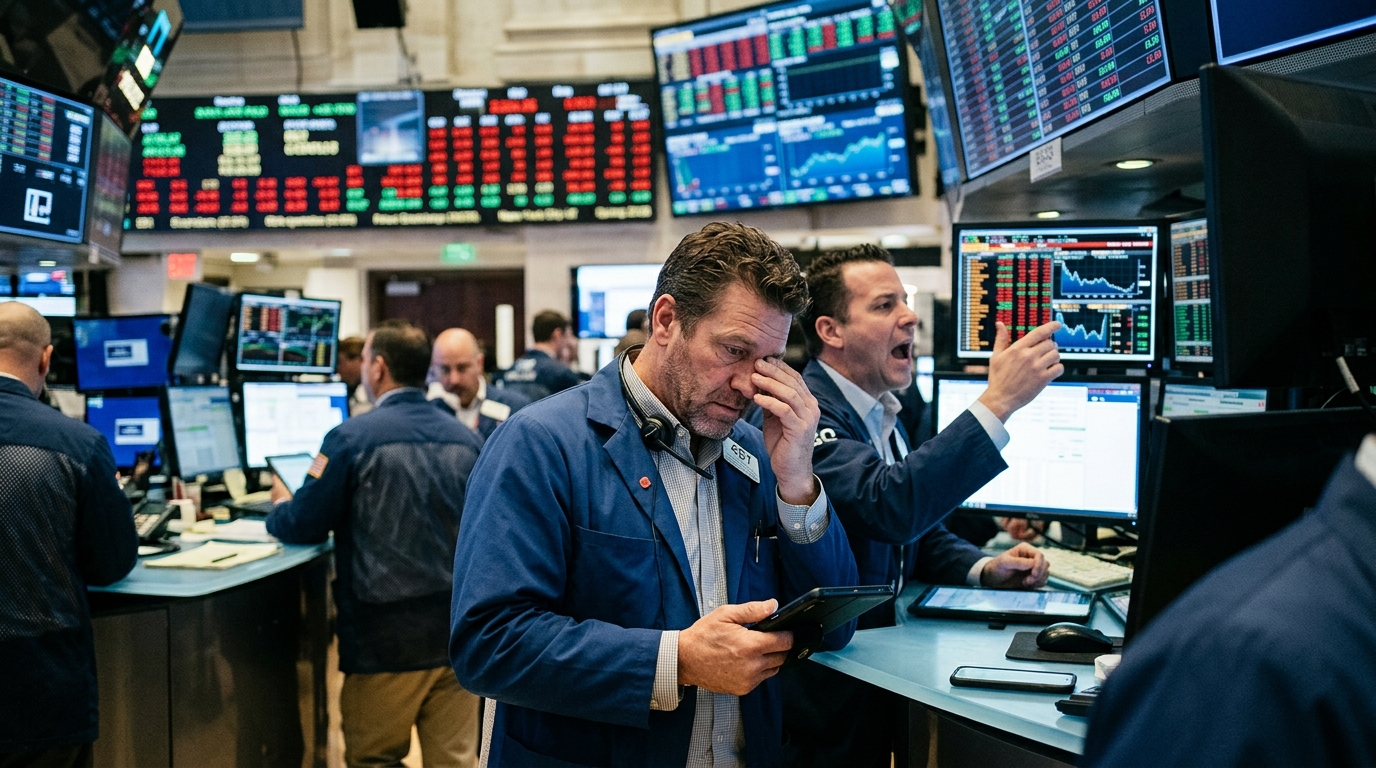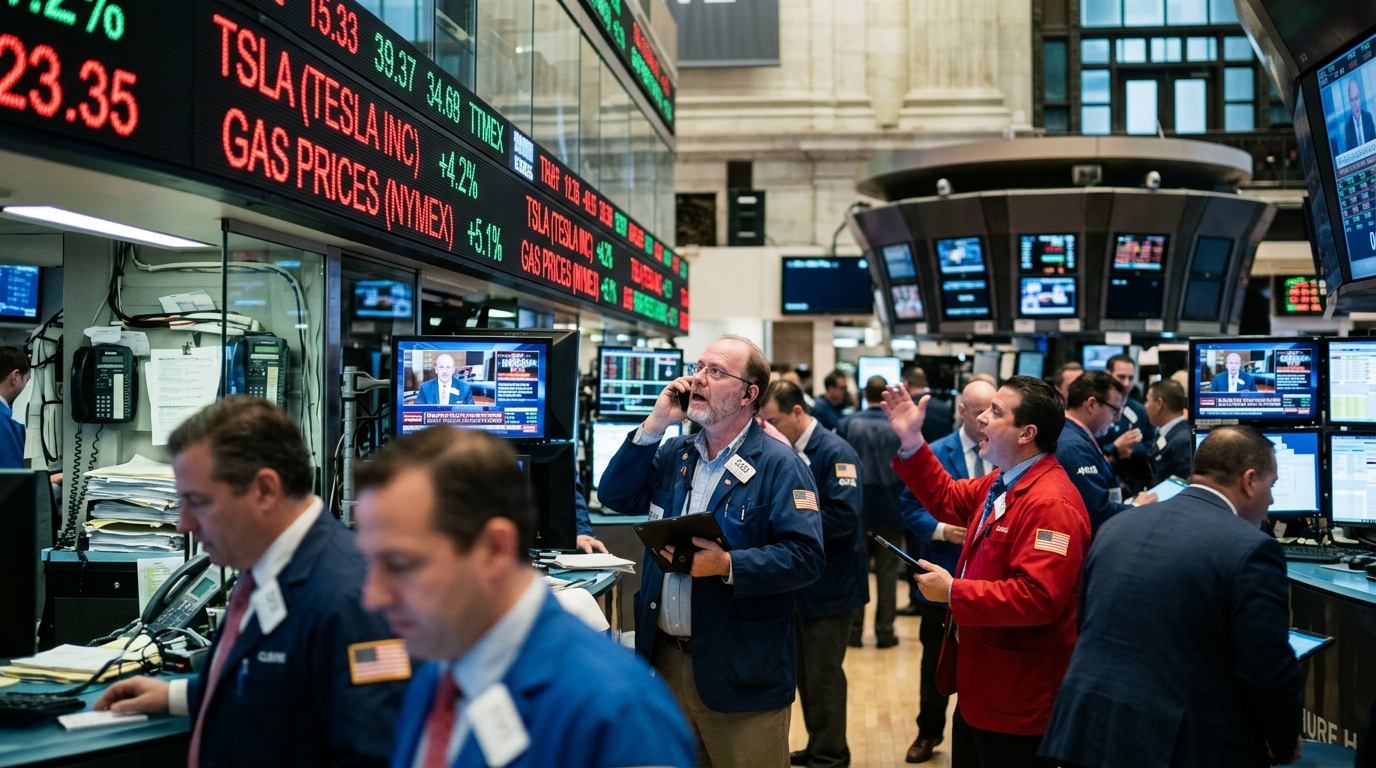
In a surprising turn of events for the global automotive landscape, Tesla has reported that the recent surge in fuel prices has acted as a significant catalyst, reigniting consumer interest in its electric vehicles (EVs). Following a first quarter characterized by sales that fell short of expectations and a general sense of market saturation, Elon Musk’s firm appears to be finding firm footing thanks to its oldest adversary: the high cost of traditional internal combustion. Jessica Caldwell, head of insights at Edmunds, confirms that consumer psychology shifts dramatically once the price at the pump crosses certain critical psychological thresholds.
The Pump Equation and Consumer Sentiment
Current geopolitical instability and strategic oil production cuts have pushed gasoline prices to levels that make operating internal combustion engine (ICE) vehicles prohibitively expensive for a large segment of the middle class. For Tesla, this environment provides a perfect marketing scenario—one they didn’t even have to pay for. Although the company has faced intense scrutiny over build quality and the slow pace of model updates, the "fuel savings" argument remains its most potent weapon. Consumers who were hesitant six months ago due to the high upfront cost of an EV are now calculating that the break-even point will arrive much sooner than previously anticipated.
- Showroom traffic at Tesla locations has increased by 15% over the past month.
- Interest is shifting from luxury models (Model S/X) toward the more practical Model 3 and Model Y.
- The used Tesla market is seeing a surge as a cost-effective alternative to expensive new conventional cars.
However, analysis from Edmunds suggests that this bump might be ephemeral if Tesla fails to address the growing competition from Chinese manufacturers and legacy automakers who are now offering competitive electric models at lower price points.
The Strategic Pivot to AI and Robotics
While car sales remain the primary revenue driver, Elon Musk has made it clear that Tesla’s future does not reside solely on four wheels. The company is in the midst of an aggressive transition toward Artificial Intelligence (AI) and robotics, with the Full Self-Driving (FSD) program and the Optimus humanoid robot taking center stage. This pivot has caused unease among some investors who fear that Tesla is neglecting its core product at a critical juncture for the EV market.
"Tesla is no longer just a car company; it is an AI infrastructure company that happens to manufacture vehicles," Wall Street analysts suggest.
The challenge for Tesla in 2026 is to balance the needs of the current market—which demands affordable, reliable EVs due to expensive gasoline—with Musk’s vision of a world of autonomous mobility. The recent focus on Robotaxis indicates that the company is betting everything on full autonomy, hoping that technological superiority will shield it from the volatility of the commodities market.
Challenges and Outlook for the Remainder of 2026
Despite the optimism stemming from fuel prices, Tesla faces significant headwinds. Interest rates remain elevated, making auto loans expensive, while charging infrastructure in many regions still lags behind demand. Furthermore, internal restructuring, including job cuts and leadership changes, has created a climate of uncertainty. Tesla's ability to convert temporary interest driven by expensive gas into long-term brand loyalty will determine whether 2026 is the year of a grand comeback or a gradual slide.
Ultimately, Tesla is benefiting from a historical irony: the more the old oil-based economy suffers, the more attractive the vision of electrification becomes. However, the market of 2026 is far more mature and demanding than that of 2020, and consumers are no longer satisfied with mere promises of the future; they demand value and consistency in the present.