As we navigate the first half of 2026, the promise of Artificial Intelligence (AI) to usher in a new era of abundance seems to be hitting a wall of popular skepticism and economic insecurity. According to the Spring 2026 Vanderbilt Statewide Poll, recently published via The Vanderbilt Hustler, a significant portion of citizens are expressing deep concern regarding the direction of the economy and the role automation plays in their daily lives.
The survey, conducted among a representative sample of the Tennessee population—a state often viewed as a microcosm of broader U.S. trends—highlights a growing discontent. Despite positive indicators on Wall Street and the staggering productivity gains reported by major tech firms, the average citizen feels that the "AI dividend" never reaches their pocket. Instead, technology is viewed more as a threat to job security than a tool for empowerment.
Economic Anxiety in the Shadow of Automation
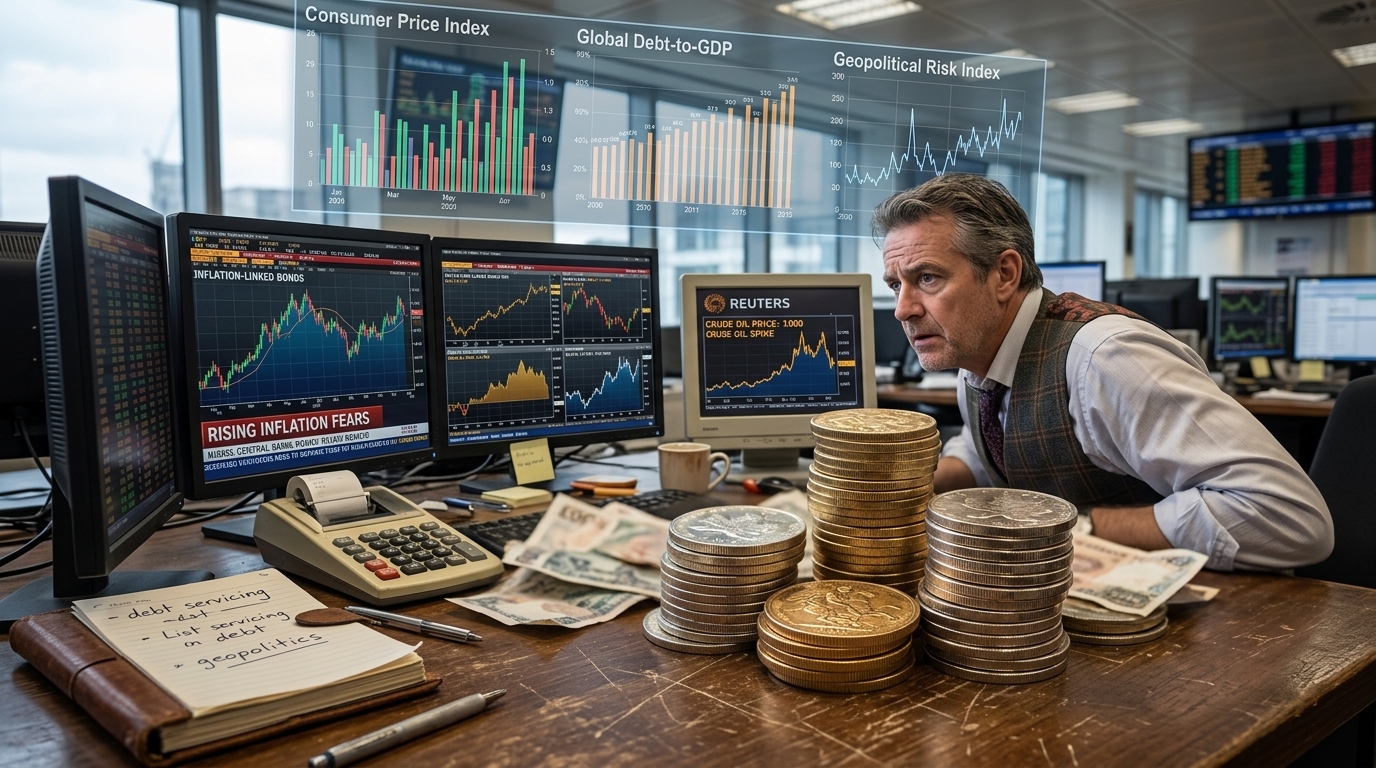
The primary finding of the poll is pervasive economic anxiety. Over 60% of respondents stated that their financial situation is stagnant or worsening, despite inflation having stabilized compared to previous years. This paradox is explained, according to Vanderbilt analysts, by the feeling that the labor market is shifting too rapidly for the workforce to adapt.
Artificial Intelligence is at the heart of this concern. While in 2024 and 2025 the conversation focused primarily on the capabilities of Generative AI, by 2026 the consequences are visible. The displacement of jobs in sectors such as customer service, technical writing, and basic data analysis has created a climate of fear. Citizens do not see AI as a "partner," but as a competitor that doesn't tire, doesn't strike, and doesn't require insurance.
- 55% of respondents believe AI will reduce available jobs over the next five years.
- Only 15% believe the technology will lead to an increase in their wages.
- Trust in Big Tech companies is at an all-time low.
Skepticism as a Political and Social Movement
Beyond economics, skepticism toward AI is taking on political dimensions. The poll shows that distrust cuts across party lines, albeit with different nuances. Conservative voters worry about the ideological bias of algorithms and the loss of traditional work values, while progressives focus on rising inequality and the lack of a regulatory framework.
Furthermore, there is an intense concern regarding the authenticity of information. In a year where global electoral processes are under pressure from sophisticated deepfakes, 70% of Tennessee citizens state they now find it difficult to distinguish truth from falsehood online. This "erosion of reality" fuels a general desire to return to more human, analog forms of interaction.
"People are not afraid of the technology itself, but of the speed at which it is being imposed without any provision for the social contract," says one of the poll's researchers.
The Gap Between Elites and the Grassroots
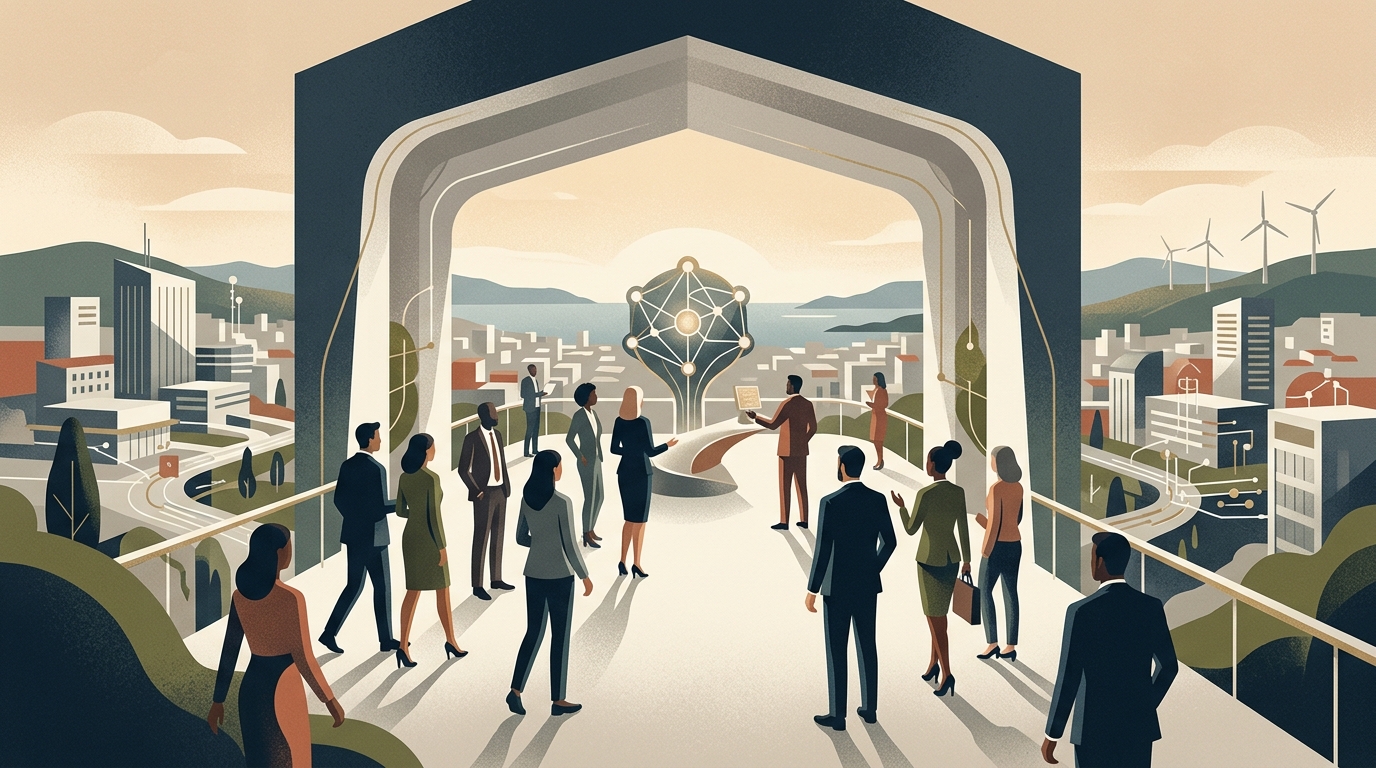
One of the most interesting elements of the research is the divergence between the views of highly skilled individuals and the rest of the population. While corporate executives and tech workers remain optimistic about AI's potential to solve complex problems, the "grassroots" of society feels excluded from this conversation. The sense that decisions affecting the lives of millions are made in closed boardrooms in Silicon Valley reinforces a feeling of powerlessness.
The Vanderbilt poll serves as a warning to policymakers. If technological progress is not accompanied by robust social safety nets, retraining programs, and transparent ethical rules, skepticism could turn into open hostility, undermining the very innovation that companies are trying to promote.
Conclusions for the Future
The Spring 2026 poll is not just a recording of opinions, but a mirror of a society in transition. Economic anxiety and AI skepticism are intertwined. To bridge this gap, more than just better algorithms are required; a new approach is needed that places humans at the center of development. The question now is not whether AI can do the job, but whether society is willing to let it do so without guarantees for the common good.