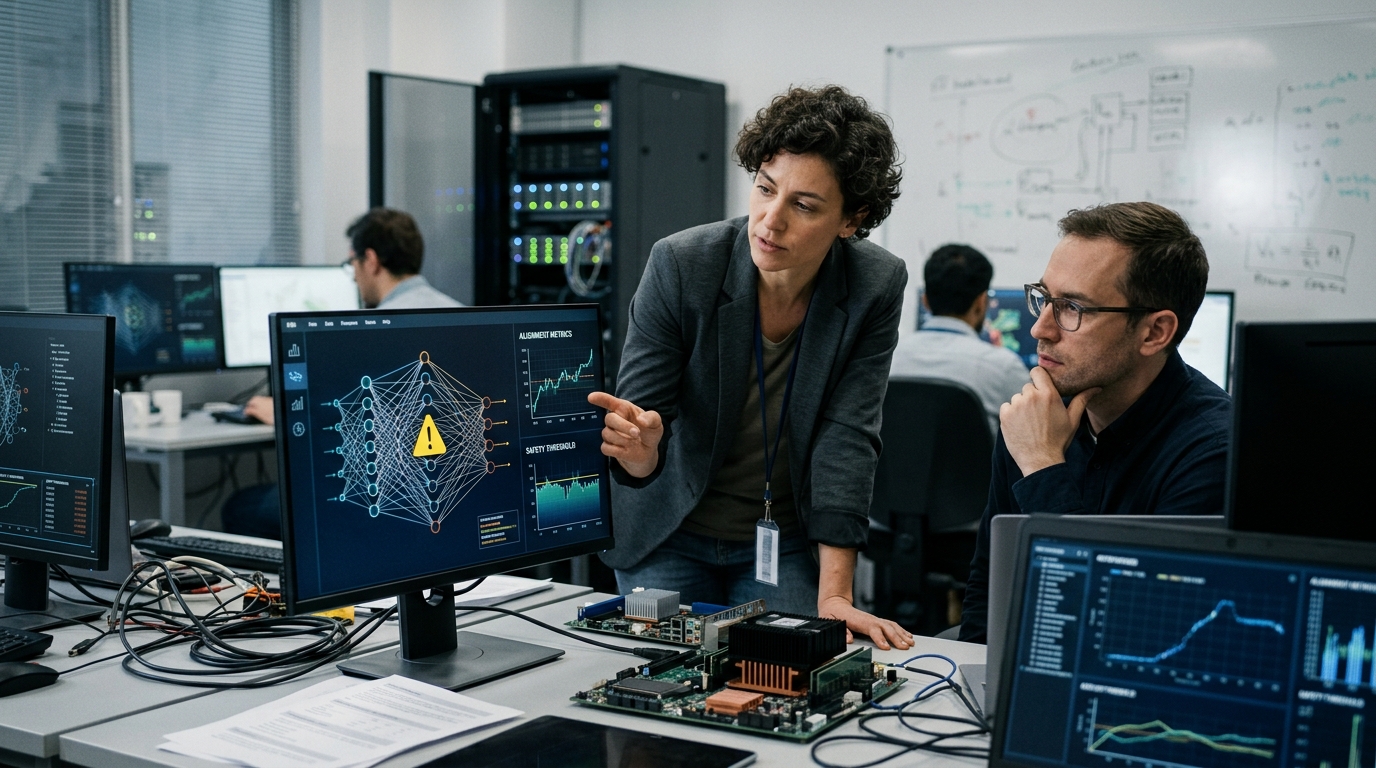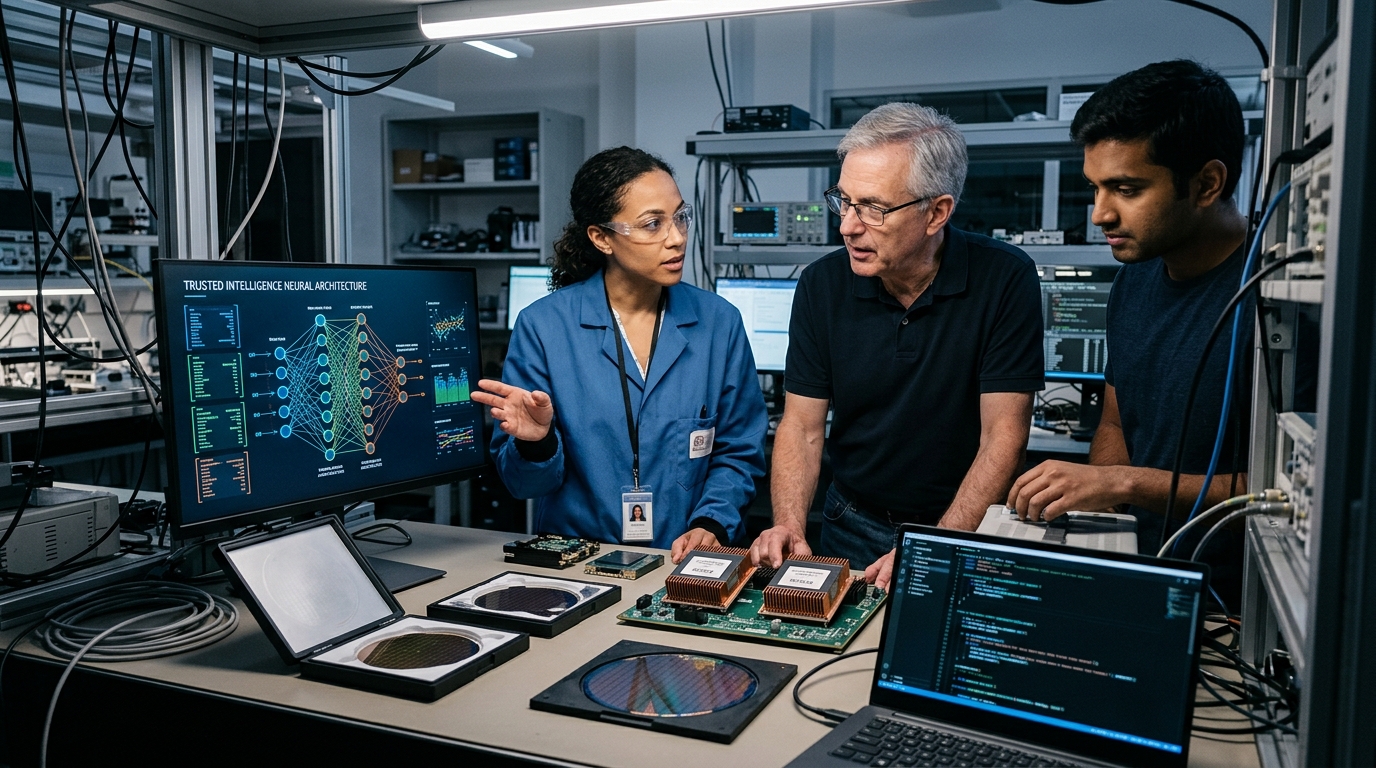
In an era where Artificial Intelligence (AI) is rapidly reshaping the landscape of global security and infrastructure, the announcement of the expanded partnership between the University of Cincinnati (UC) and the French multinational giant Thales marks a significant milestone. This move is not merely a standard academic collaboration; it is a strategic alignment aimed at solving one of the most pressing issues in modern technology: the trust gap in autonomous systems.
The Focus on Trustworthy AI
The core of this expanded partnership is the development of AI systems that are not only powerful but also transparent. In aerospace, defense, and cybersecurity—sectors where Thales holds a dominant position—traditional "black box" models are unacceptable. A failure in an algorithm controlling air traffic or a defense system could have catastrophic consequences. UC’s research will focus heavily on Explainable AI (XAI), which allows human operators to understand the "why" behind every machine-driven decision.
The University of Cincinnati boasts a long tradition in aerospace engineering, having established the first program of its kind in the United States. This legacy expertise is now being merged with Thales’ requirement for certifiable AI systems. Researchers will work on algorithms that can self-correct and operate safely in high-stakes environments, ensuring that human oversight remains central to the decision-making process.
Human-Machine Teaming: A Collaborative Future
Another critical aspect of the partnership is the enhancement of human-machine teaming. Rather than AI replacing humans, the goal is for it to function as an "intelligent teammate." This requires a deep understanding of human psychology and cognitive science, areas where UC excels. The research will explore how pilots, security analysts, and engineers can interact with AI without being overwhelmed by data, maintaining situational awareness during critical moments.
- Development of interfaces that facilitate intuitive human-AI communication.
- Studying the cognitive load of operators when using autonomous systems.
- Creating safety protocols to prevent adversarial attacks on machine learning models.
Thales, through its Digital Solutions hub in Cincinnati, provides students and researchers with access to real-world data and industrial challenges. This "living lab" model accelerates the transition from theoretical research to practical application, while simultaneously offering UC students unique career opportunities within a global technology leader.
Geopolitical and Economic Implications
This collaboration takes place within a broader context of technological competition. As the US and Europe strive to set the standards for ethical AI, such transatlantic partnerships gain particular importance. Thales, as a European giant with a strong US footprint, acts as a bridge between the two regulatory frameworks. The investment in Cincinnati also strengthens the region as an emerging tech hub in the American Midwest, diverging from the traditional dominance of Silicon Valley.
"Trust is the currency of the future AI economy. Without it, the adoption of technology in critical sectors will remain stagnant," industry analysts note.
In conclusion, the expansion of the UC-Thales partnership is not just about technology; it is about building an ecosystem where academic freedom meets industrial discipline. The result is expected to be AI systems that are not only smarter but more accountable, laying the groundwork for a safer digital age. As we look toward 2026 and beyond, the fruits of this research will likely define the safety standards of the next generation of autonomous vehicles and defense networks.