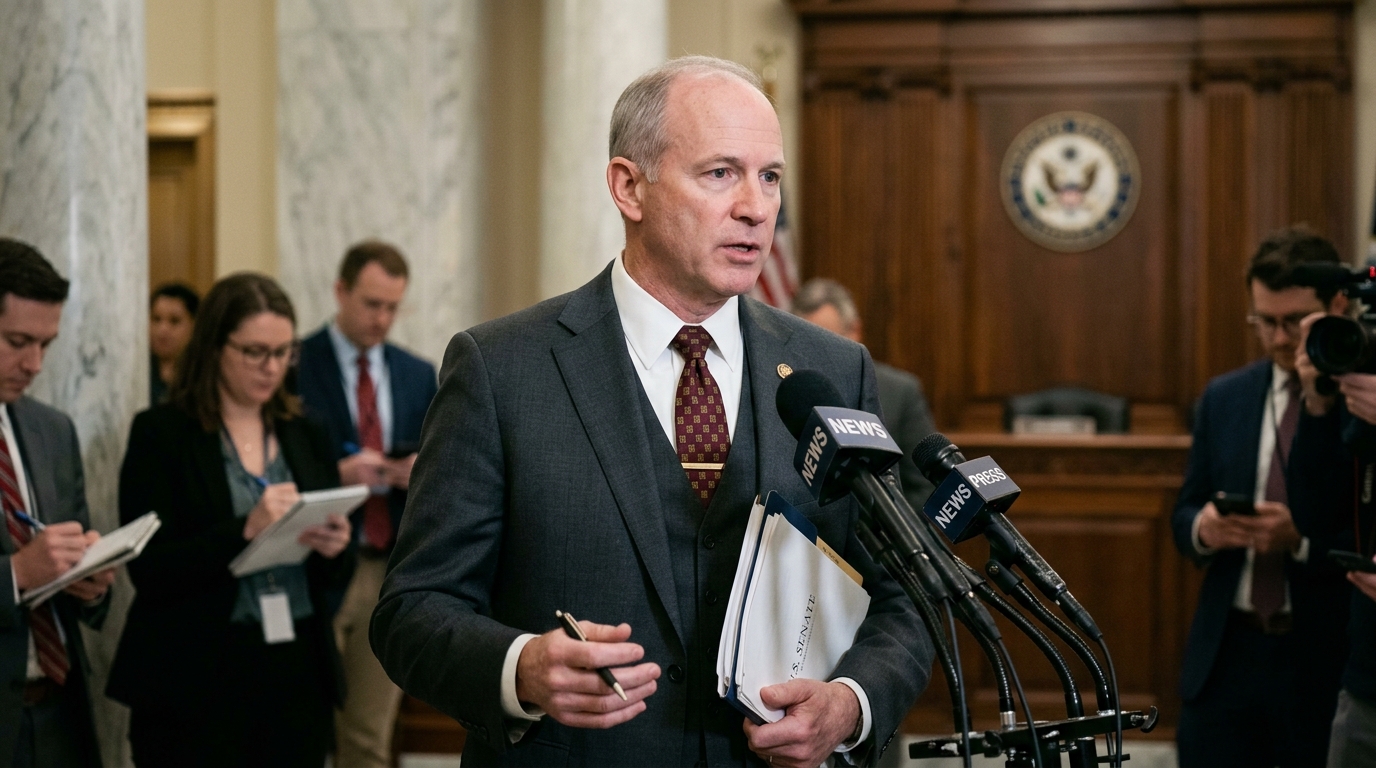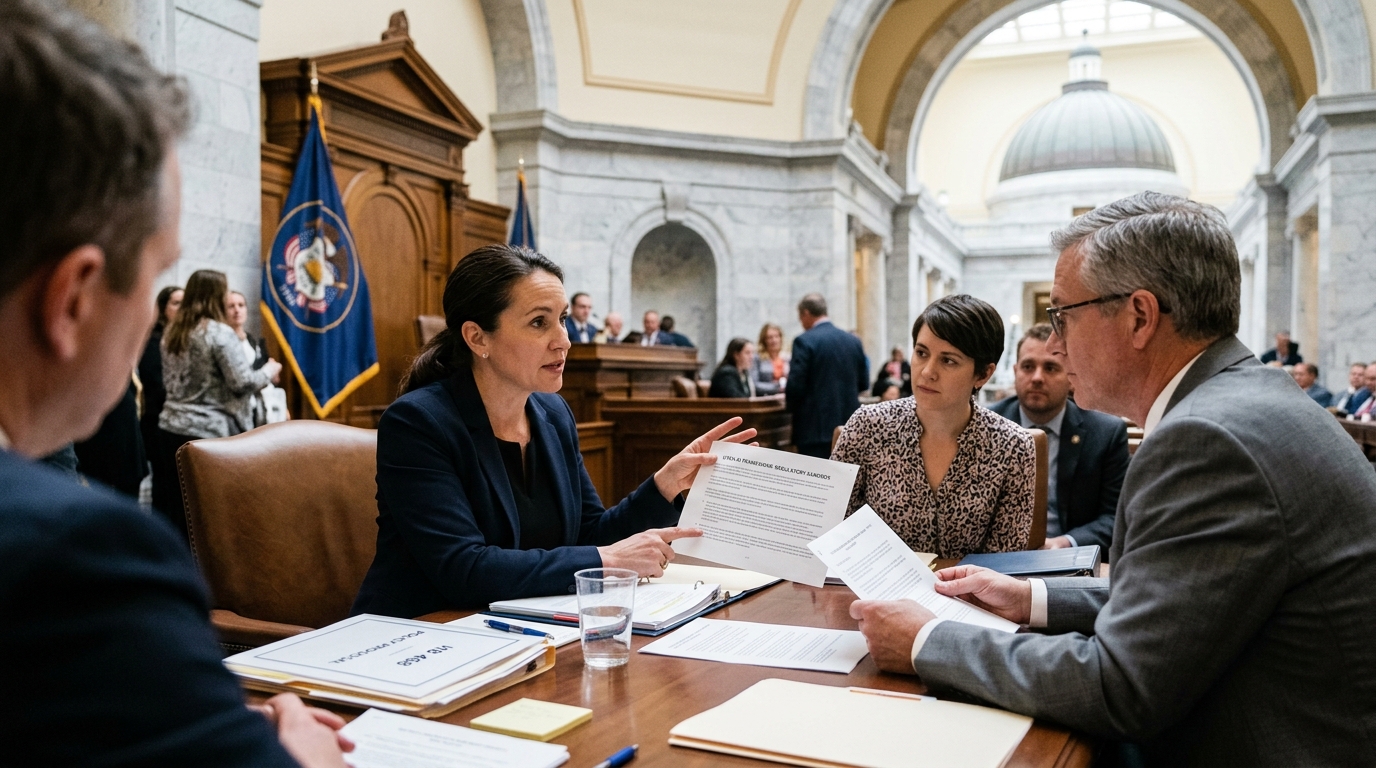
In an era where the U.S. federal government is still struggling to find a unified stance on Artificial Intelligence (AI), the state of Utah has already carved out its own path. With the establishment of the Office of Artificial Intelligence Policy and the implementation of the groundbreaking 'Learning Lab,' Utah is transforming into a living laboratory for how democracy can keep pace with technological acceleration.
The Philosophy of 'Learn Before Legislating'
Utah’s approach differs radically from the rigid regulatory framework of the European Union’s AI Act. Instead of imposing broad restrictions from the outset, the state opted to create a 'regulatory sandbox.' This is a controlled environment where companies can test new AI applications under state supervision, receiving temporary waivers from certain regulations in exchange for full transparency and providing data to the state.
This method allows legislators to understand the real-world impacts of the technology before proceeding with permanent regulations. As officials from the Office point out, the goal is not to stifle innovation but to create a framework of 'smart governance' that protects consumers without driving investment away from the region’s famous 'Silicon Slopes.'
Consumer Protection and Transparency
Despite its flexibility, Utah’s framework is not without teeth. The AI Policy Act (SB 149) sets clear rules for protecting citizens from deception. One of the central points is the disclosure requirement: companies using AI to interact with customers—especially in critical sectors like healthcare or finance—must explicitly inform the user that they are not speaking with a human.
- Strict penalties for using AI in cases of fraud or impersonation.
- Creation of communication channels between tech giants and local government.
- Focus on the ethical use of data and the prevention of algorithmic bias.
Utah recognizes that AI can be used as a tool to enhance state efficiency, but it simultaneously shields its institutions against the 'hallucinations' of large language models (LLMs) and misinformation.
A Bridge to the Future
The question now is whether the 'Utah model' can be exported to other states or even to the national level. While California moves in a more stringent direction, Utah proposes a middle ground that seems to be gaining traction among policymakers who fear technological lag compared to global competitors like China.
"We cannot regulate what we do not understand," sources close to the Policy Office state. "The Learning Lab gives us the eyes we need to see the future before it passes us by."
In conclusion, Utah is not just building laws, but a culture of collaboration. In a world polarizing around technology, this effort represents a significant legacy for how democratic institutions can remain relevant in the age of super-intelligence.