In the world of e-commerce, a 50% discount usually signals a clearance sale or a desperate attempt to move inventory. However, in the case of Ring, the Amazon-owned home security giant, the recent promo codes highlighted by Wired represent a much more sophisticated and calculated strategy. This isn't just about moving hardware; it’s about securing a permanent 'vantage point' within the consumer’s private sphere.
The 'Razor and Blade' Model in the Digital Age
Ring’s strategy is a masterclass in the classic 'razor and blade' business model. The device (the razor) is sold at cost, or even at a loss, to lock the user into a long-term subscription service (the blade). By offering discounts of up to 50%, Amazon lowers the barrier to entry for millions of households. Once the camera is installed, the utility of the device is significantly hamstrung without a Ring Protect Plan, which enables cloud storage and advanced AI features.
This approach has proven immensely lucrative. While hardware margins may be thin, subscription revenue is recurring, high-margin, and builds a massive valuation for the services division. Furthermore, Amazon strengthens its Alexa ecosystem, creating a web of interconnected devices that increase customer 'stickiness' and make switching to a competitor like Google Nest or Arlo prohibitively inconvenient.
The Ethics of Surveillance and the Social Contract
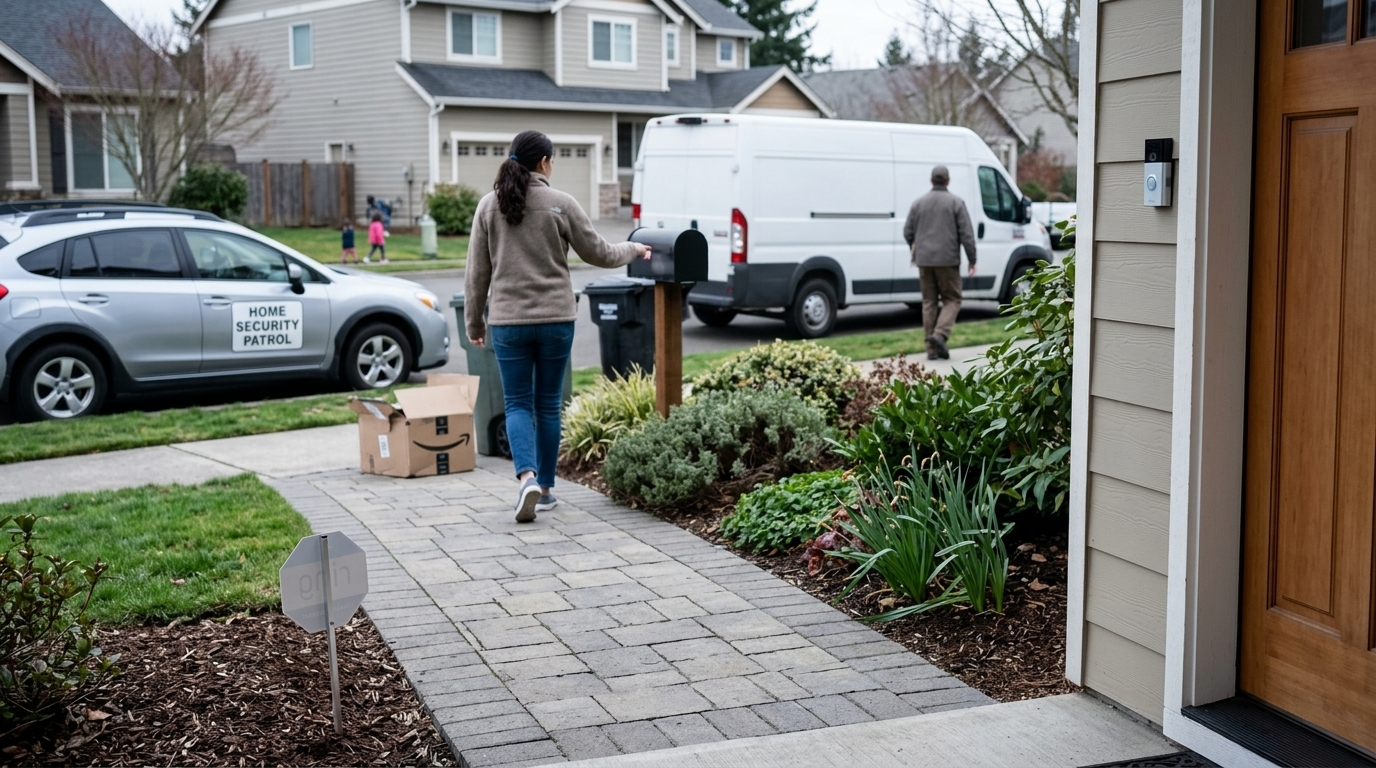
Beyond the balance sheets, the proliferation of Ring devices raises profound questions about privacy and social cohesion. Ring cameras don't just watch the owner; they record neighbors, passersby, and delivery workers. The historical ease with which law enforcement agencies could request access to this footage has sparked intense criticism from civil liberties groups.
"Security should not be a product traded for the privacy of others without their consent," critics of Ring’s 'Neighbors' app frequently argue.
While Ring has recently tightened its policies regarding police access to footage, the existence of such a vast network of private cameras creates a de facto public surveillance system managed by a private corporation. A 50% discount acts as a catalyst, accelerating the density of this network in suburban and urban areas alike.
Competition and Technological Evolution
The home security market is increasingly saturated. With rivals like Google (Nest), Arlo, and Eufy offering competitive hardware, Amazon uses aggressive pricing as a defensive moat. The latest devices featured in these promotions boast radar-powered motion detection and 'Bird’s Eye View' features, which track a visitor's path on an aerial map.
- Ring Video Doorbell Pro 2: The flagship model featuring 1536p resolution and 3D motion detection.
- Stick Up Cam: A versatile solution for both indoor and outdoor monitoring.
- Ring Alarm: A comprehensive security suite that integrates deeply with the Amazon ecosystem.
For the consumer, the decision to purchase a Ring device at a steep discount is a balancing act. The immediate financial saving is clear, but the long-term cost—both in subscription fees and the normalization of constant surveillance—is something that warrants careful consideration before clicking 'Buy Now'.