In the heart of Western New York, far from the neon lights of Silicon Valley, a quiet but decisive revolution is taking root. The University at Buffalo (UB), a premier research institution, has released new details regarding its upcoming AI Summit, an event poised to redefine how the public sector counters the dominance of Big Tech in the artificial intelligence landscape.
Empire AI and the Democratization of Compute
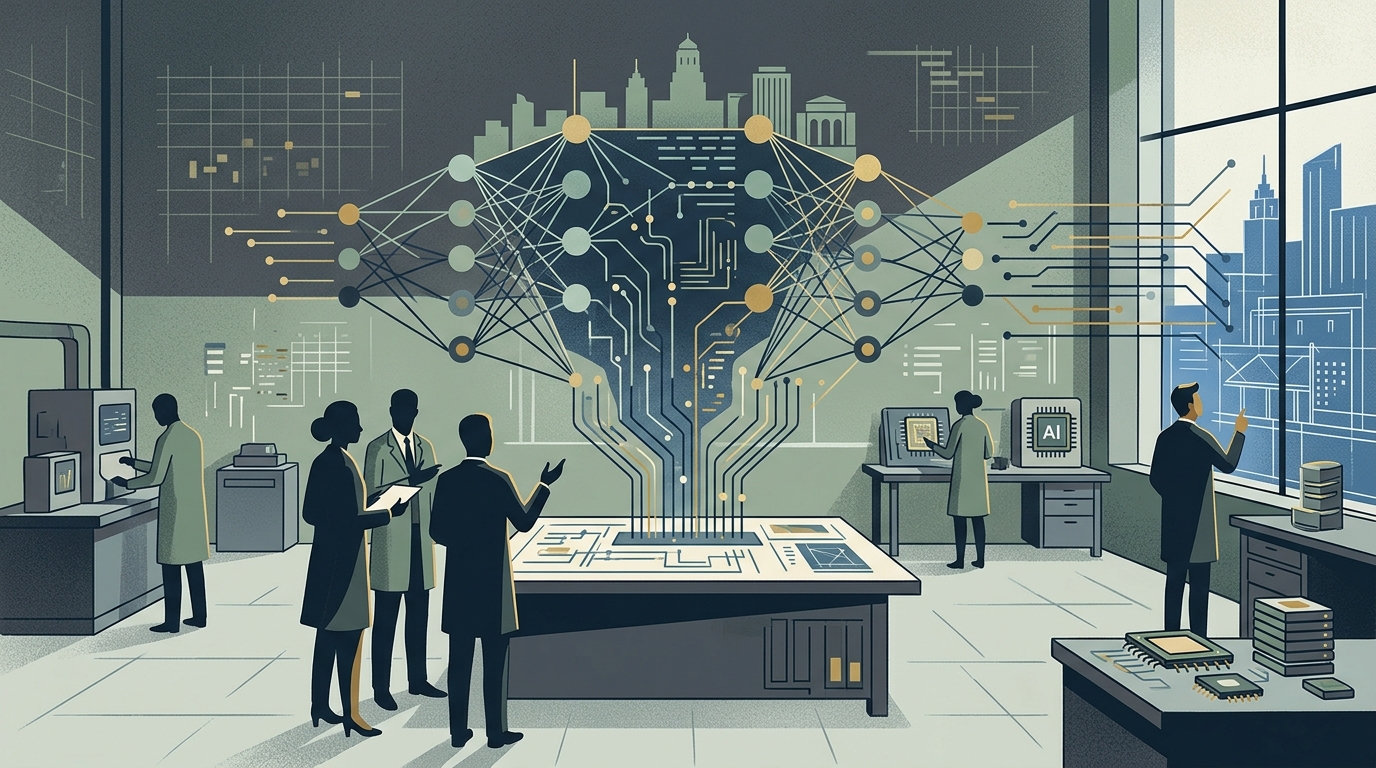
The centerpiece of this year's summit is the progress of the "Empire AI" consortium. This $400 million initiative aims to establish a state-of-the-art high-performance computing center in Buffalo. The goal is clear: to provide academic researchers and public institutions with the computational "horsepower" necessary to compete with industry titans like Microsoft, Google, and OpenAI.
The newly added details to the summit agenda focus on the practical applications of this sovereign compute power. According to organizers, the summit will showcase how access to massive datasets and processing power can accelerate research in fields often overlooked by the commercial market, such as rare disease research, climate resilience for local municipalities, and the development of specialized educational tools for underserved school districts.
Ethics and Governance: Moving Beyond Slogans
While many tech conferences dissolve into vague promises of "responsible AI," the UB summit seeks to establish concrete frameworks. One of the newly announced panels, titled "Transparent Algorithmic Governance in the Public Sector," will bring together legal scholars and computer scientists to discuss how state agencies can deploy AI for social services without infringing on privacy or exacerbating systemic biases.
- Analysis of risks associated with automated decision-making systems.
- Presentation of protocols for independent third-party auditing of algorithms.
- Strategies for community engagement in shaping local digital policy.
This approach is particularly vital in 2026, as the global community searches for regulatory models that foster innovation while safeguarding the public good. Buffalo appears to be proposing a "third way"—a middle ground between the laissez-faire market approach of the U.S. and the heavy regulatory framework of the European Union.
Healthcare and Workforce: The Human Impact
A significant portion of the summit is dedicated to healthcare. Leveraging UB’s extensive medical research facilities, the event will feature case studies on AI-driven diagnostic imaging and precision medicine. The focus is on augmentation rather than replacement: exploring how AI tools can support clinicians by reducing administrative burdens, thereby allowing more time for direct patient care.
"Artificial Intelligence is not merely a software tool; it is the infrastructure that will define social equity in the 21st century," noted a senior member of the organizing committee.
Finally, the summit will tackle the pressing issue of the workforce. As AI reshapes the labor market, UB is introducing new curricula that bridge the gap between humanities and technology. New details include workshops on retraining workers displaced by automation, emphasizing that technological leaps must be accompanied by a robust social safety net and proactive education policies.