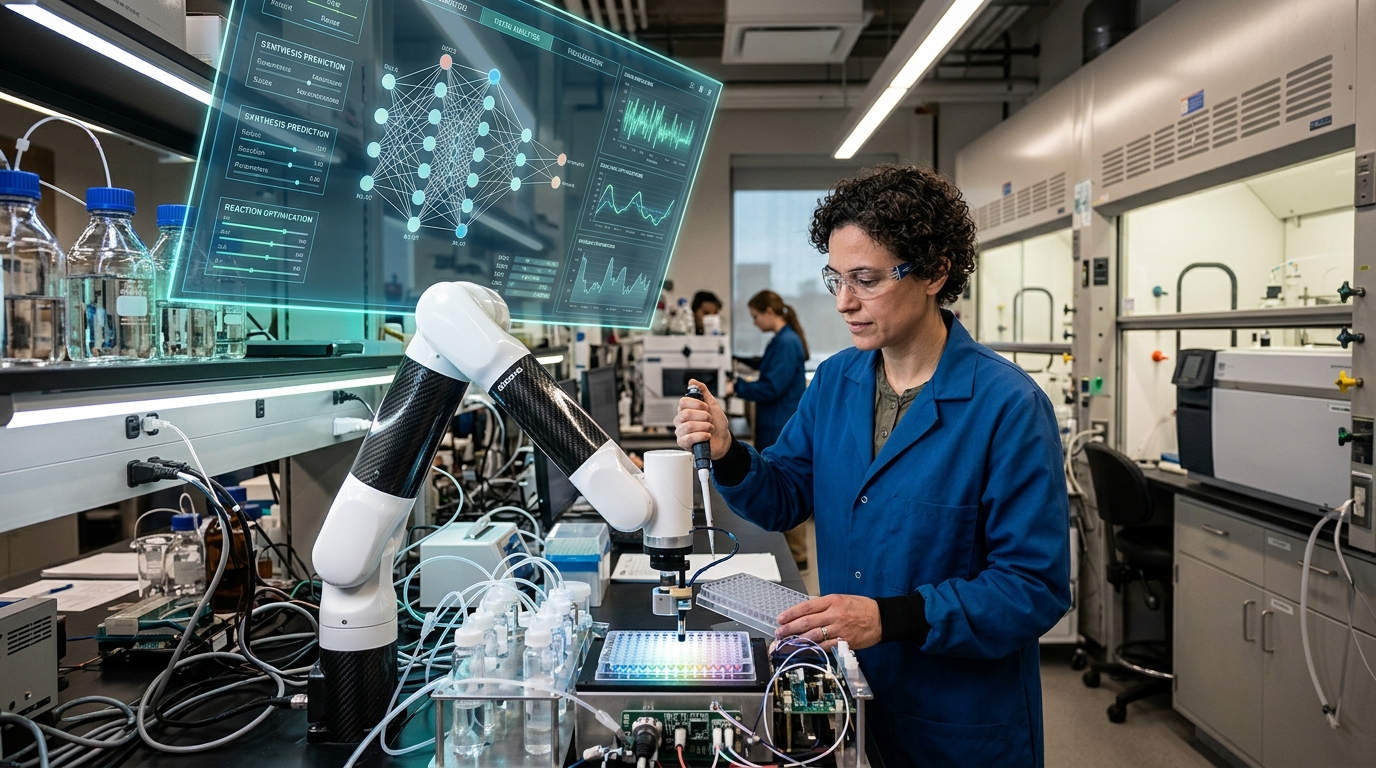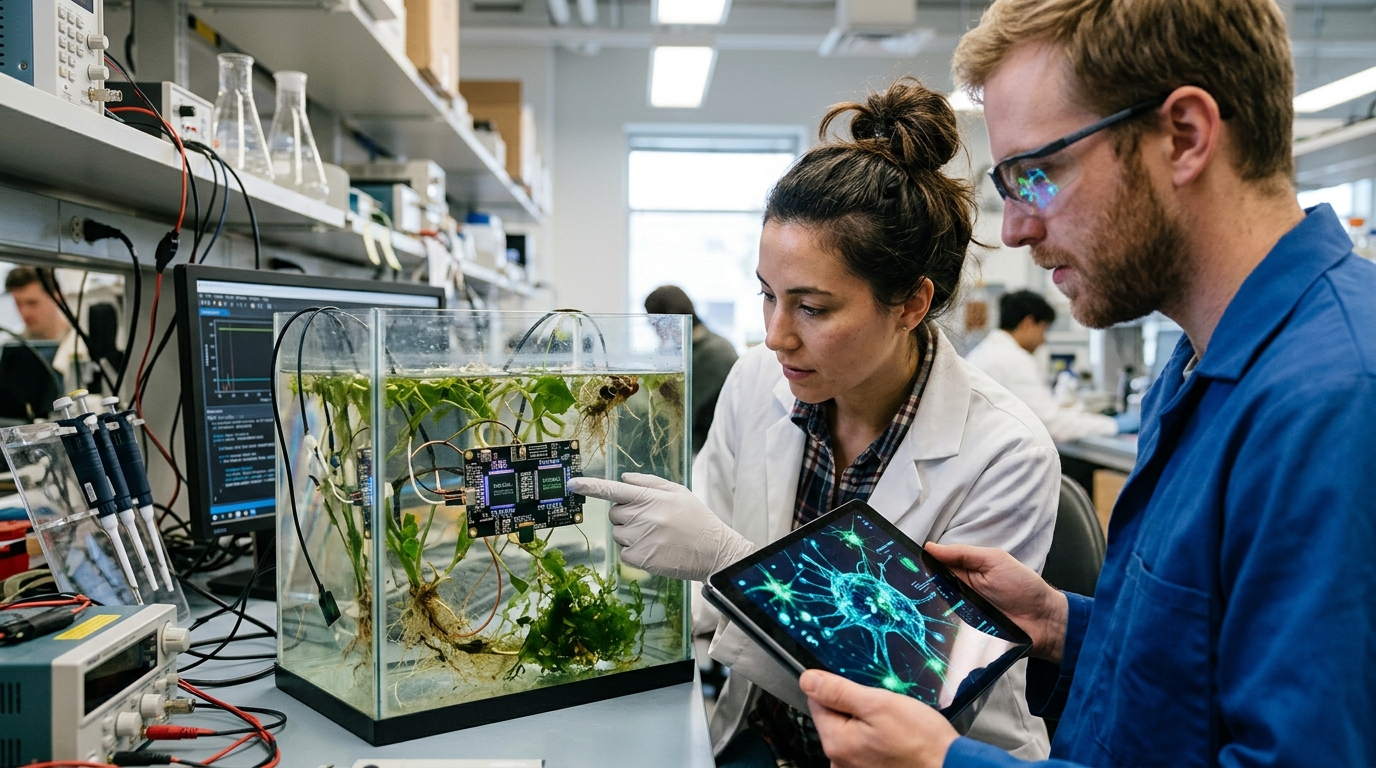
The concept of "nature" as something pristine and untouched by human intervention has become a romantic anachronism. Today, we stand on the threshold of a new era where the natural environment is no longer just the backdrop of human activity, but a field of active design and technological management. MIT Technology Review’s special "Nature" issue, published in April 2026, poses a critical question: What happens when technology ceases to be nature’s adversary and becomes its primary tool for survival?
Synthetic Biology and the Resurrection of Species
One of the most fascinating and simultaneously controversial aspects of this new reality is synthetic biology. It is no longer just about genetically modifying crops for higher yields, but about the complete redesign of biological systems. Scientists are using tools like CRISPR to "program" living organisms to perform specific functions, from cleaning microplastics out of the oceans to absorbing carbon dioxide at rates many times higher than natural trees.
The issue of "de-extinction" is also front and center. By analyzing ancient DNA and using artificial wombs, research centers worldwide are nearing the revival of species lost for centuries. However, ethical questions arise: Is the revival of a mammoth an act of ecological restoration or a technological stunt that distracts from protecting the species currently at risk?
Geoengineering: The Last Line of Defense?
As the climate crisis deepens, the idea of deliberate intervention in the Earth's climate—known as geoengineering—is moving from the realm of science fiction to the political agenda. The issue explores technologies such as stratospheric aerosol injection to reflect sunlight and massive direct air capture of carbon.
"We no longer choose whether to intervene in nature. Our intervention is already total. The question is whether we will intervene by design or by chaos," analysts note.
The challenge here is governance. Who decides the planet's temperature? If one country implements geoengineering to stop a drought within its borders, causing floods in a neighboring country, how will this conflict be resolved? Technology provides the power but currently lacks the legal and ethical framework to manage such planetary forces.
AI as the Guardian of Biodiversity
Beyond large-scale interventions, Artificial Intelligence (AI) is playing a quiet but decisive role in understanding ecosystems. Through satellite data and ground-based sensors, AI models can now predict the spread of wildfires, identify illegal logging activities in real-time, and map species migration with a precision that was impossible a decade ago.
- Using algorithms to optimize reforestation programs.
- Autonomous drones for planting millions of trees in inaccessible areas.
- Digital Twins of entire ecosystems to test conservation scenarios.
This "digital nature" allows us to see the environment not as something static, but as a dynamic system of data. This knowledge is invaluable, but it carries the risk of oversimplification: nature is more than the sum of its data points.
Conclusion: Toward a New Symbiosis
The 2026 "Nature" issue calls on us to accept our responsibility. In the Anthropocene, humans are the dominant geological force. Technology should not be viewed as a substitute for nature, but as the means for a new form of symbiosis. Environmental protection in the 21st century does not mean removing humans from nature, but integrating human intelligence into natural evolution in a sustainable and ethical way. The future of nature is, inevitably, technological.