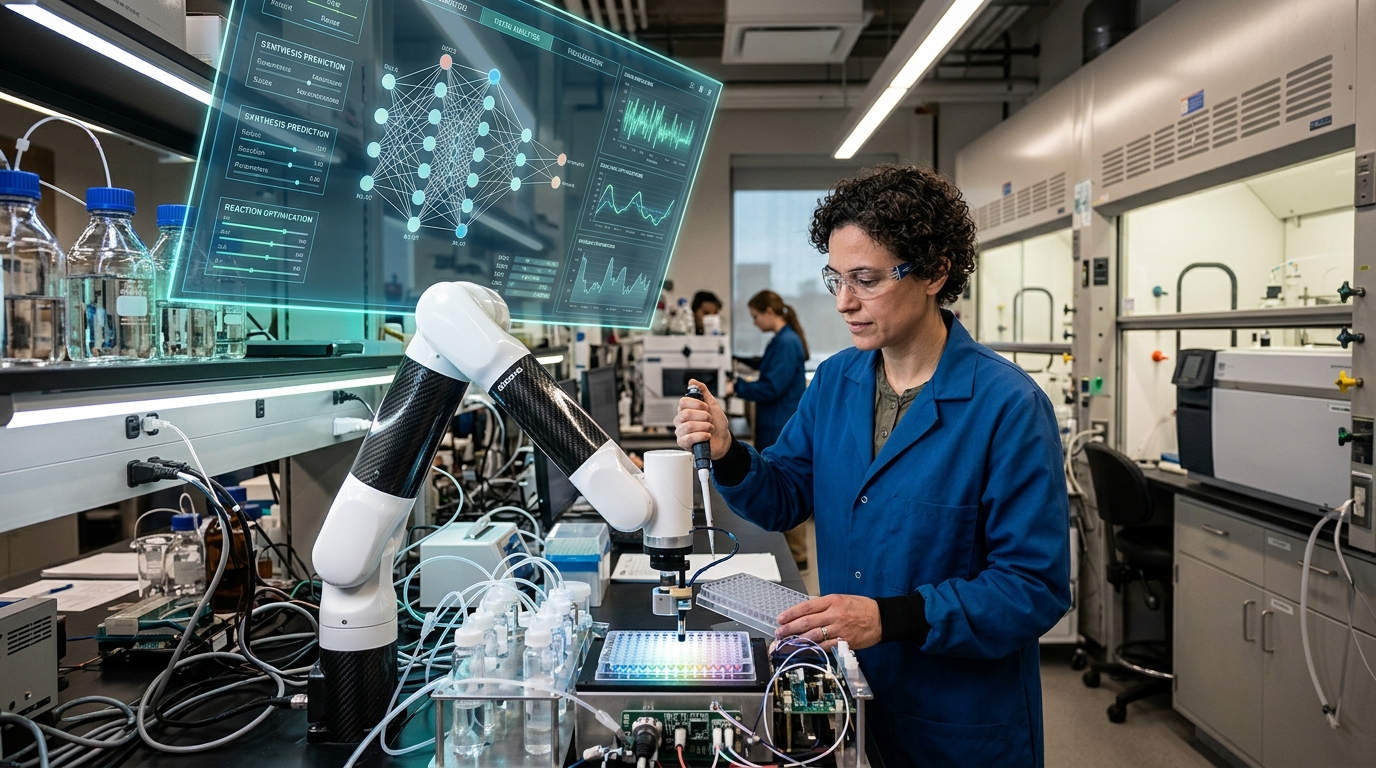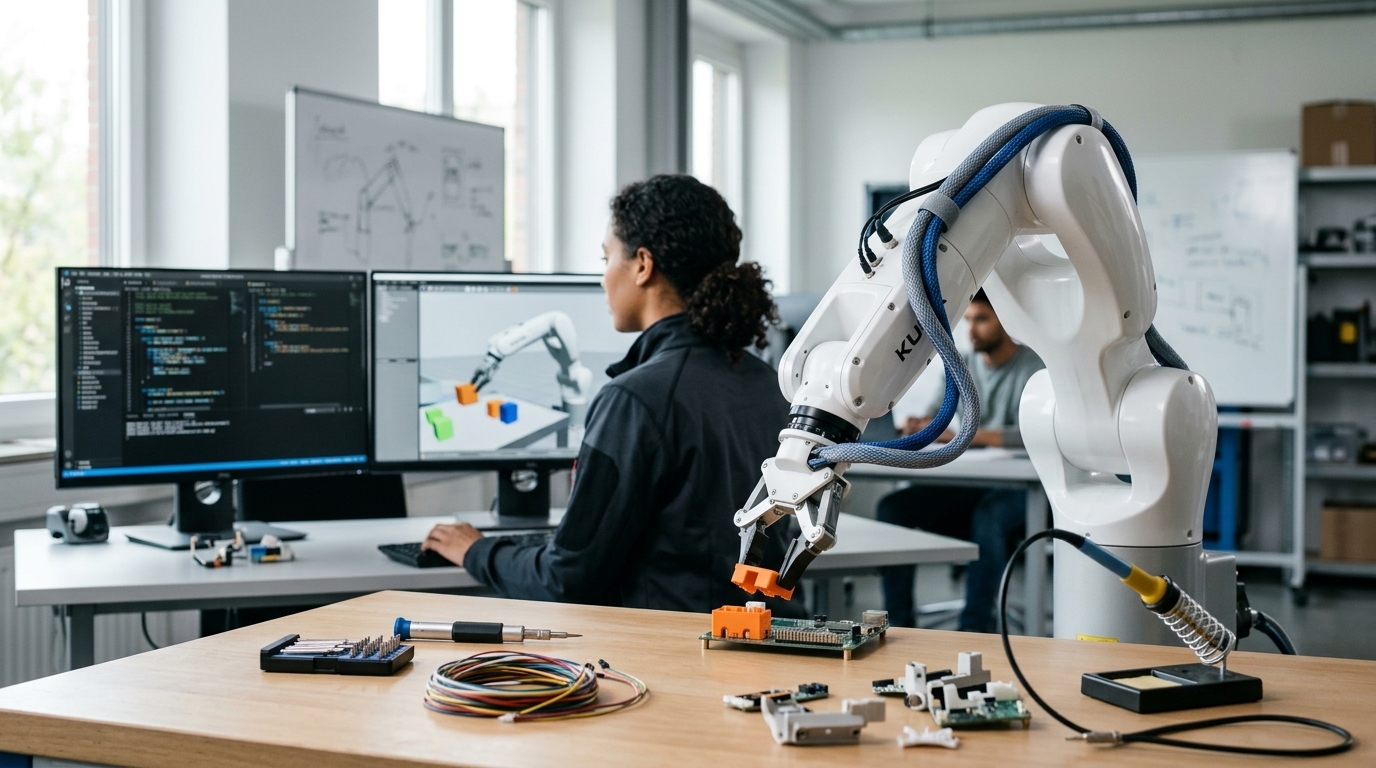
In the early days of June 2026, NVIDIA has made an announcement that fundamentally reshapes the Artificial Intelligence landscape. Cosmos 3 is not just another large language model; it is the first "omni-model" specifically designed for Physical AI. By releasing it through the Hugging Face platform, NVIDIA is providing the global community with a tool that can perceive, reason, and act within our three-dimensional world with unprecedented precision.
From Digital Logic to Physical Action
Until today, AI was primarily recognized for its prowess in processing text and images. However, the transition from "thinking" to "doing" has been the holy grail of research. NVIDIA Cosmos 3 breaks these boundaries. It is a model trained not only on billions of text parameters but also on vast amounts of video and physical motion data. Its ability to understand the laws of physics—such as gravity, friction, and momentum—makes it ideal for controlling autonomous systems and robots.
Cosmos 3 utilizes an architecture NVIDIA calls "World Modeling." This means the model can internally simulate the outcome of an action before executing it. For instance, if a robot needs to pick up a glass object, Cosmos 3 "imagines" the potential outcomes of its movement, choosing the safest and most efficient path. This predictive capability is what distinguishes Physical AI from simple automation programming.
The Open Access Strategy
NVIDIA’s decision to release Cosmos 3 as an open model on Hugging Face is a high-stakes strategic move. In an era where most giants (like OpenAI and Google) are locking their models behind subscription walls, NVIDIA chooses to fuel the developer ecosystem. This move is calculated. The company knows its dominance is no longer based solely on hardware, but on establishing its software standards as the foundation for all future robotic applications.
- Multimodality: The model simultaneously processes video, audio, and sensory data.
- Efficiency: Optimized to run on local NVIDIA RTX infrastructures, reducing the need for constant cloud connectivity.
- Versatility: It can be adapted for everything from simple household appliances to complex industrial production lines.
Challenges and Ethical Dilemmas
Despite the excitement, the advent of Physical AI brings serious questions. The ability of machines to act autonomously in physical space increases safety risks. What happens when an AI model makes a wrong assessment in an environment with humans? NVIDIA claims to have integrated advanced "guardrails" that prevent dangerous actions, but history has shown that no simulation is perfect.
"Cosmos 3 is not just a step towards general artificial intelligence; it is the foundation upon which the physical presence of AI in our daily lives will be built," industry analysts suggest.
Furthermore, there are concerns regarding the labor market. If robots gain the ability to "understand" and perform manual tasks with human-like flexibility, the pace of automation in sectors like logistics and manufacturing will accelerate dramatically. Society is called to adapt to a reality where intelligence will no longer be confined to screens but will walk among us.
The Future of Robotics
With Cosmos 3, NVIDIA is laying the groundwork for the so-called "Physical AI Era." In the near future, we expect to see this model integrated into humanoid robots assisting in hospitals, autonomous delivery vehicles, and smart, self-regulating factories. The open nature of the model allows small companies and research institutions to innovate without the massive cost of training such a model from scratch. The baton now passes to the creators, who are tasked with using this powerful technology for the greater good.