In the heart of Beijing, one of the world's most promising AI unicorns, Moonshot AI, has just made a move that is set to ripple through the global tech landscape. The launch of the Kimi K2.6 model is not merely an incremental update; it is a strategic declaration of power at a time when the competition between the US and China for dominance in Artificial Intelligence is at a fever pitch.
The Evolution of Reasoning in AI
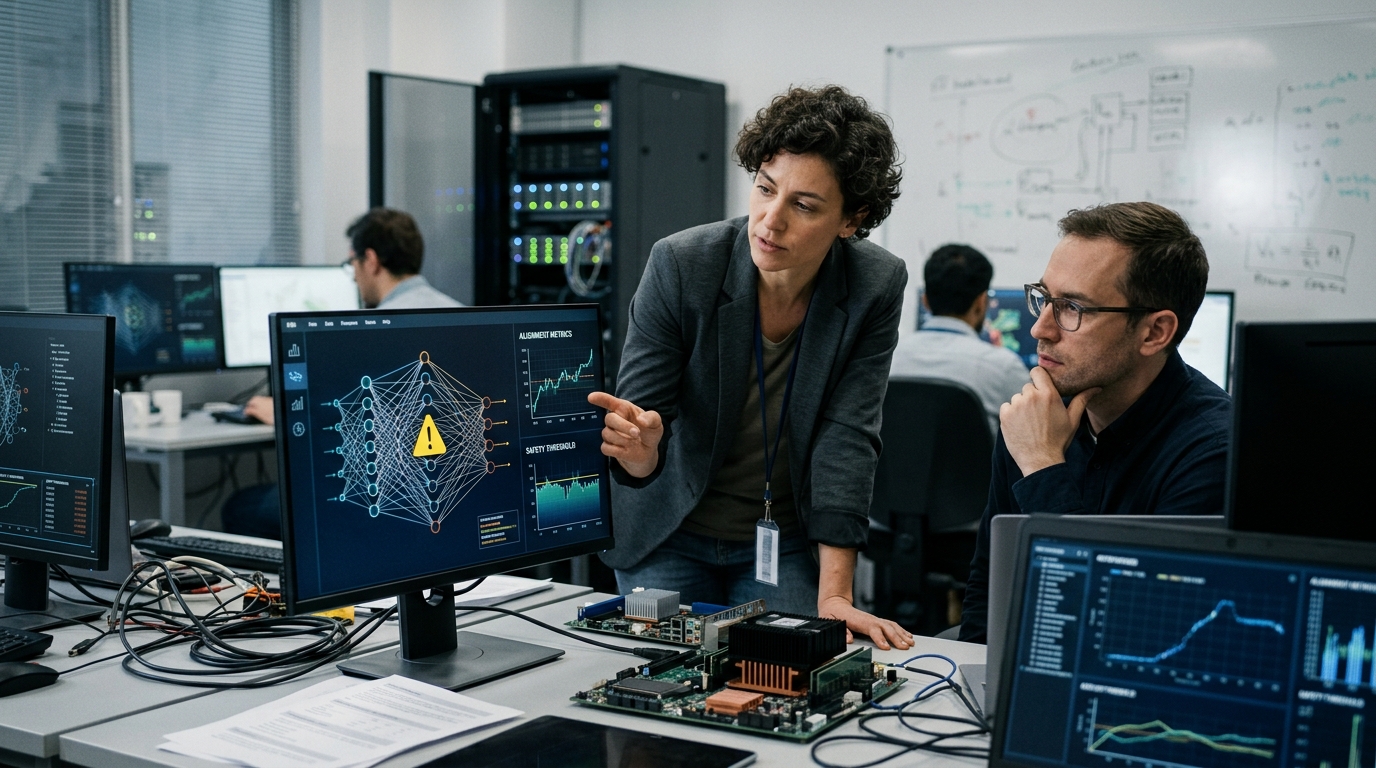
Kimi K2.6 arrives at a moment when the industry is shifting from simple generative models (Generative AI) to "Reasoning" or "System 2 thinking" models. While previous versions of Kimi became famous for their ability to process massive amounts of data—up to 2 million Chinese characters in a single prompt—the K2.6 focuses on the quality of thought. Utilizing advanced Reinforcement Learning techniques, the new model can "think" before it responds, breaking down complex problems into constituent steps, similar to the methodology introduced by OpenAI with the o1 series.
Moonshot AI, under the leadership of founder Yang Zhilin—a veteran of Google and Meta who is considered one of the world's leading scientists in Long Context—appears to have solved one of the biggest issues with LLMs: the loss of coherence in long-form content. K2.6 manages to maintain its analytical sharpness even when tasked with "reading" entire code repositories or legal archives, offering a user experience that approaches human-level expertise.
The Competitive Landscape and the "Dragon" Ecosystem
The release of K2.6 does not happen in a vacuum. China is experiencing what analysts call the "War of the Models." Baidu with Ernie Bot, Alibaba with Qwen, and DeepSeek with its open-source models have created an intensely competitive environment. However, Moonshot AI maintains a distinct advantage: specialization. Rather than trying to be a portal for everything, Kimi has focused on being the ultimate assistant for researchers, developers, and data analysts.
- Enhanced Mathematical Logic: K2.6 shows impressive results in math and physics benchmarks, often outperforming Western models of comparable size.
- Multimodality: The new version integrates deeper visual and video understanding, allowing for the analysis of visual data with the same logical rigor applied to text.
- Cost Efficiency: Despite the increased computational power required for reasoning, Moonshot has managed to optimize inference costs, making the model accessible for enterprise use.
Geopolitical Implications and the Semiconductor Challenge
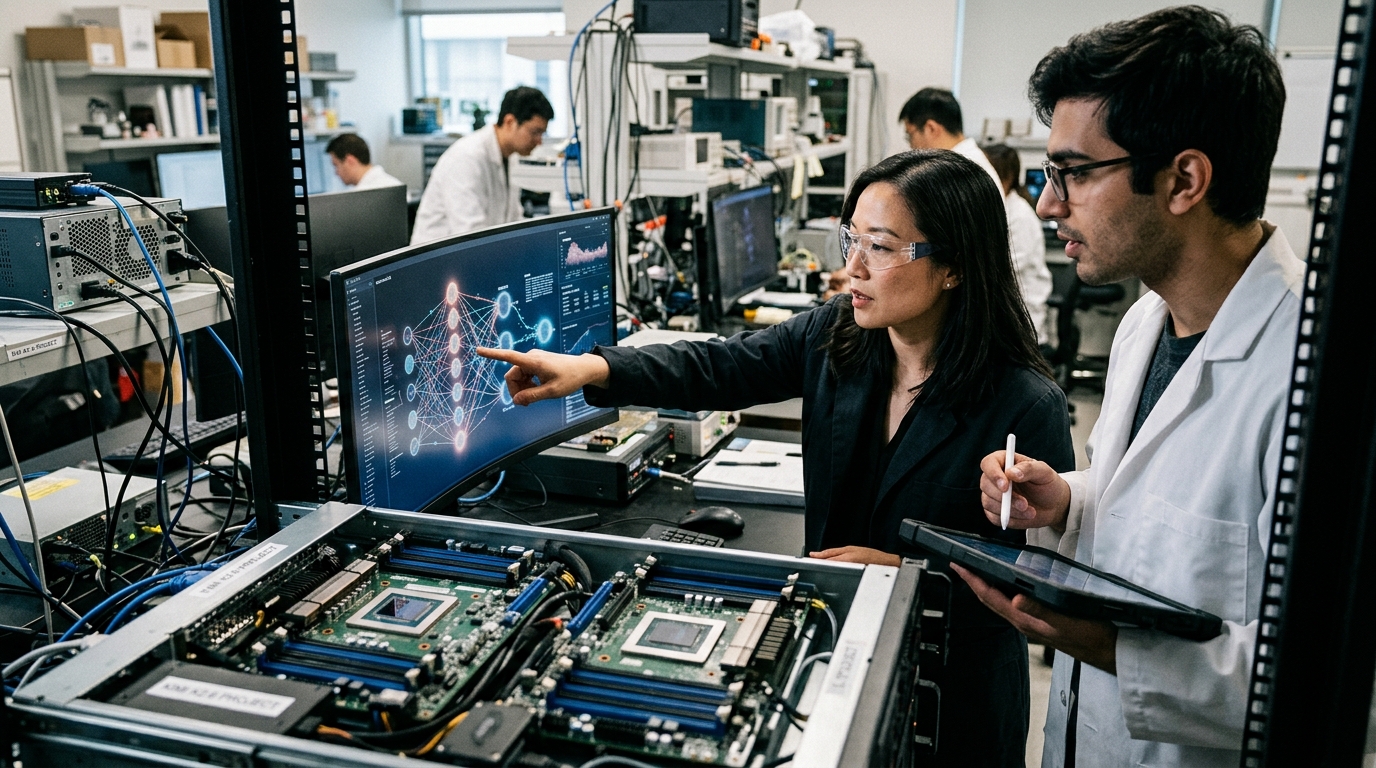
It is impossible to analyze the success of Kimi K2.6 without mentioning the constraints the Chinese AI industry faces due to US sanctions on NVIDIA's high-end GPUs. Moonshot AI, like other Chinese firms, is forced to innovate at the software and model architecture level to compensate for the lack of latest-generation hardware. K2.6 proves that algorithmic ingenuity can, to some extent, bridge the gap created by the trade war.
"Artificial intelligence is no longer a race for who has the most data, but for who can teach the model to think more deeply with the fewest possible resources," say sources close to the company.
In conclusion, Kimi K2.6 represents a milestone for Chinese technology. It shows that the country is no longer just a follower of developments occurring in Silicon Valley, but an equal player defining new trends in Reasoning AI. For users globally, this means more choices, lower prices, and constant pressure for innovation that can only benefit the advancement of science.