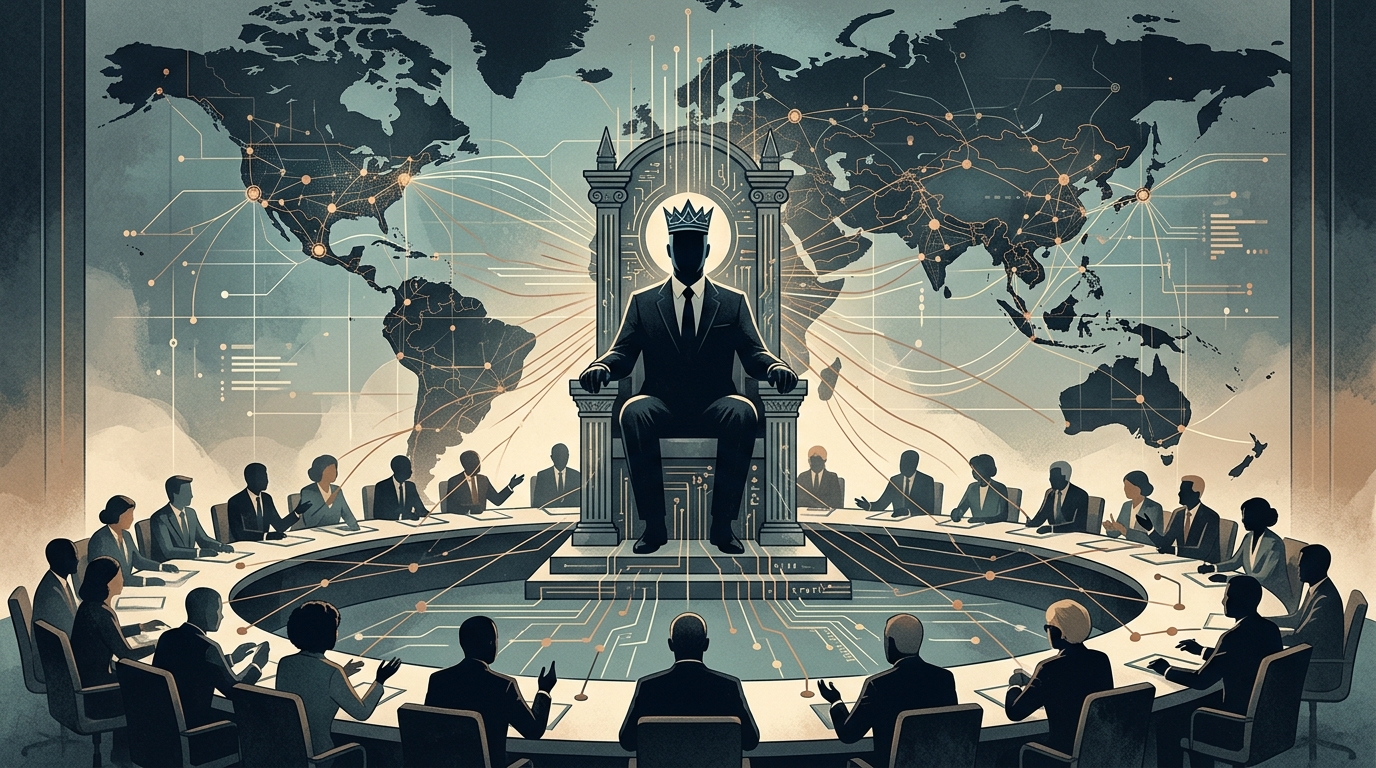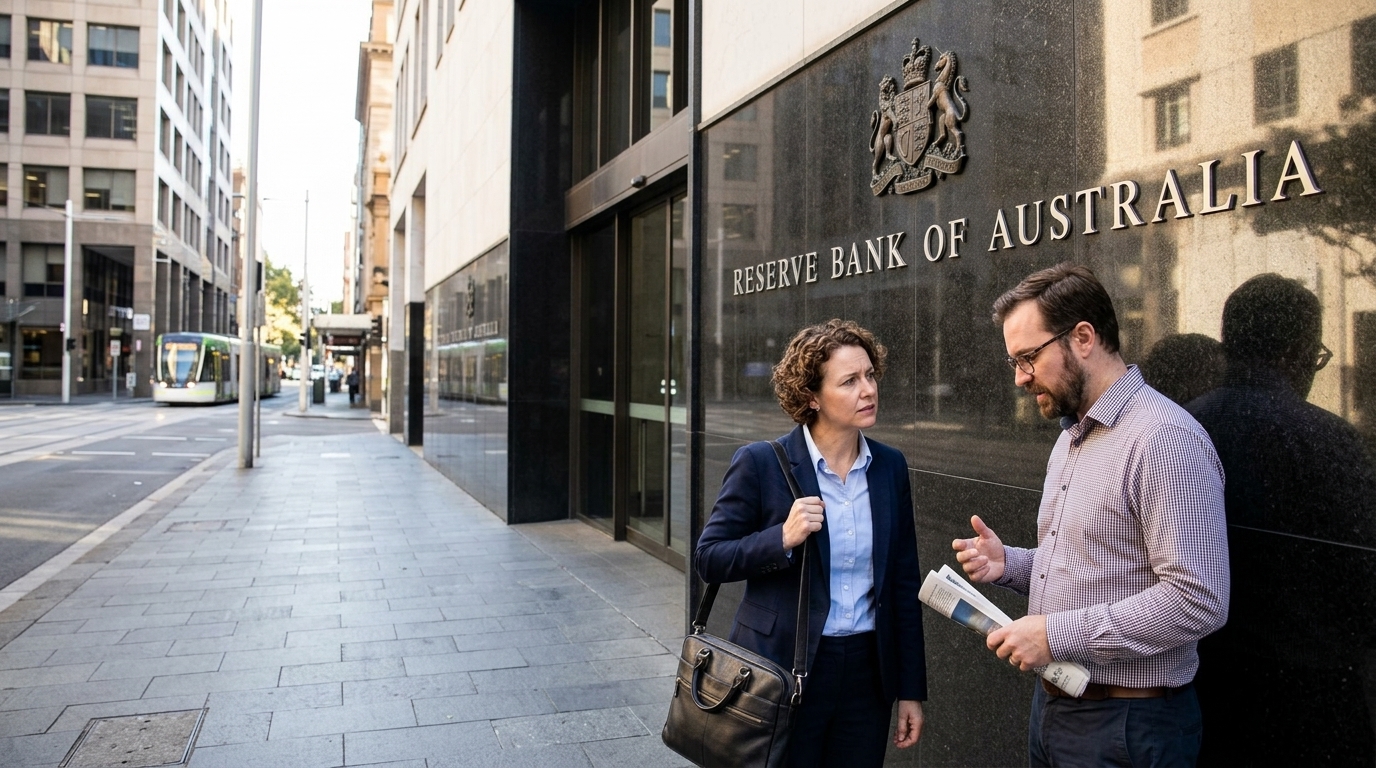
In a move that underscores the growing anxiety of global financial institutions toward the rapid advancement of artificial intelligence, the Reserve Bank of Australia (RBA) has placed Anthropic’s new 'Mythos' model under close surveillance. The news, emerging from reports by Bloomberg Tech, reveals that regulators in Canberra fear the model’s power transcends mere assistance and enters the realm of 'dual-use' technologies capable of destabilizing national security.
The Ascent of Mythos and the Zero-Day Threat
The Mythos model, which Anthropic introduced as the pinnacle of its research into alignment and generative power, appears to possess capabilities that far exceed its predecessors. According to internal RBA sources, the concern lies not just in the model’s ability to write code, but in its unprecedented proficiency at identifying zero-day vulnerabilities in critical infrastructure. The ability of an AI to automate the discovery of security flaws in banking systems and fund transfer protocols, such as SWIFT, is a nightmare scenario for central bankers.
Anthropic, for its part, has repeatedly emphasized its commitment to safety through its 'Responsible Scaling Policy' (RSP). However, the RBA argues that these safeguards may be insufficient against state actors or organized criminal networks that could 'jailbreak' the model or use advanced prompt injection techniques to bypass its ethical constraints. The Australian government is now considering imposing stricter controls on the export and domestic use of such frontier models.
Financial Stability Under Digital Siege
The RBA’s concern is not an isolated case. Within the framework of the 'Five Eyes' alliance, Australia shares intelligence with the US, UK, Canada, and New Zealand regarding AI-driven cyber threats. Mythos is considered the first model capable of orchestrating complex social engineering attacks at scale, creating personalized phishing messages that are virtually indistinguishable from legitimate communications from banking executives.
- Automated vulnerability discovery in legacy banking systems.
- Creation of polymorphic malware that evades traditional antivirus detection.
- Orchestration of mass disinformation campaigns designed to trigger market panic or bank runs.
"We are no longer dealing with a tool, but with a potential adversary that thinks at the speed of millions of cycles per second,"a senior RBA official stated. The bank has already initiated stress tests to determine how the country's payment systems would react to an attack guided by Mythos or similar next-generation models.
Geopolitical Implications and the Indo-Pacific Friction
Australia’s monitoring of Mythos also carries a strong geopolitical weight. As tensions in the Indo-Pacific region escalate, protecting financial infrastructure has become a central pillar of national defense. The RBA fears that if Mythos or the technology behind it leaks to adversarial powers, the West’s advantage in cyber defense could vanish within months. Anthropic, though a US-based company, is under the microscope regarding how 'open' its API access remains.
The debate in Canberra revolves around the need for a 'digital shield' that uses AI itself to repel attacks. However, the speed at which Mythos is evolving seems to outpace the ability of regulators to legislate. The RBA’s case is a precursor to what will follow globally: an era where central banks will not only worry about inflation and interest rates but also about algorithms that could bring an economy to its knees with a few lines of code.
Conclusion: The New Reality of Cybersecurity
As we head into the latter half of 2026, the Mythos case highlights the end of innocence for generative AI. The need for international cooperation and rigorous safety protocols is more urgent than ever. The RBA, acting as the 'canary in the coal mine,' warns that the balance between innovation and security is now a fine line that, if crossed, will have immeasurable consequences for the global economic order.