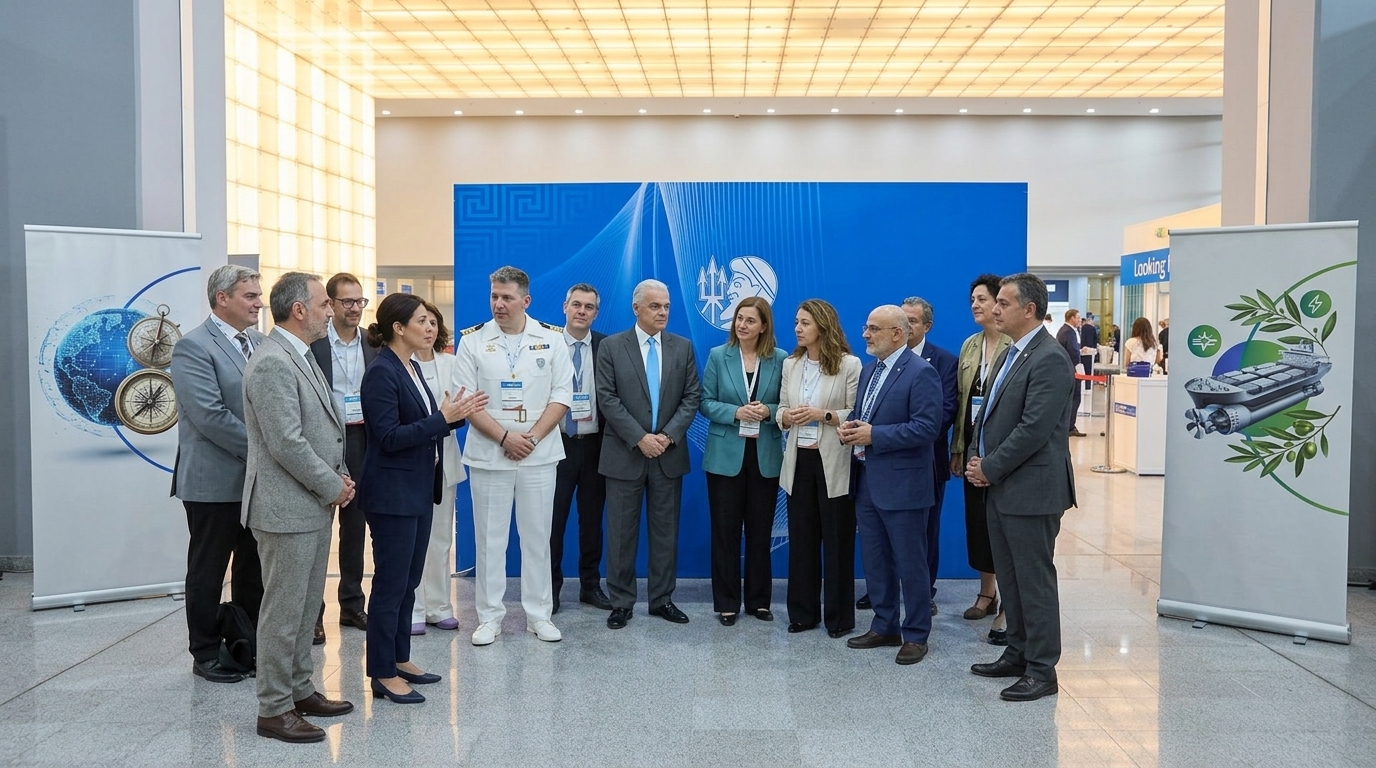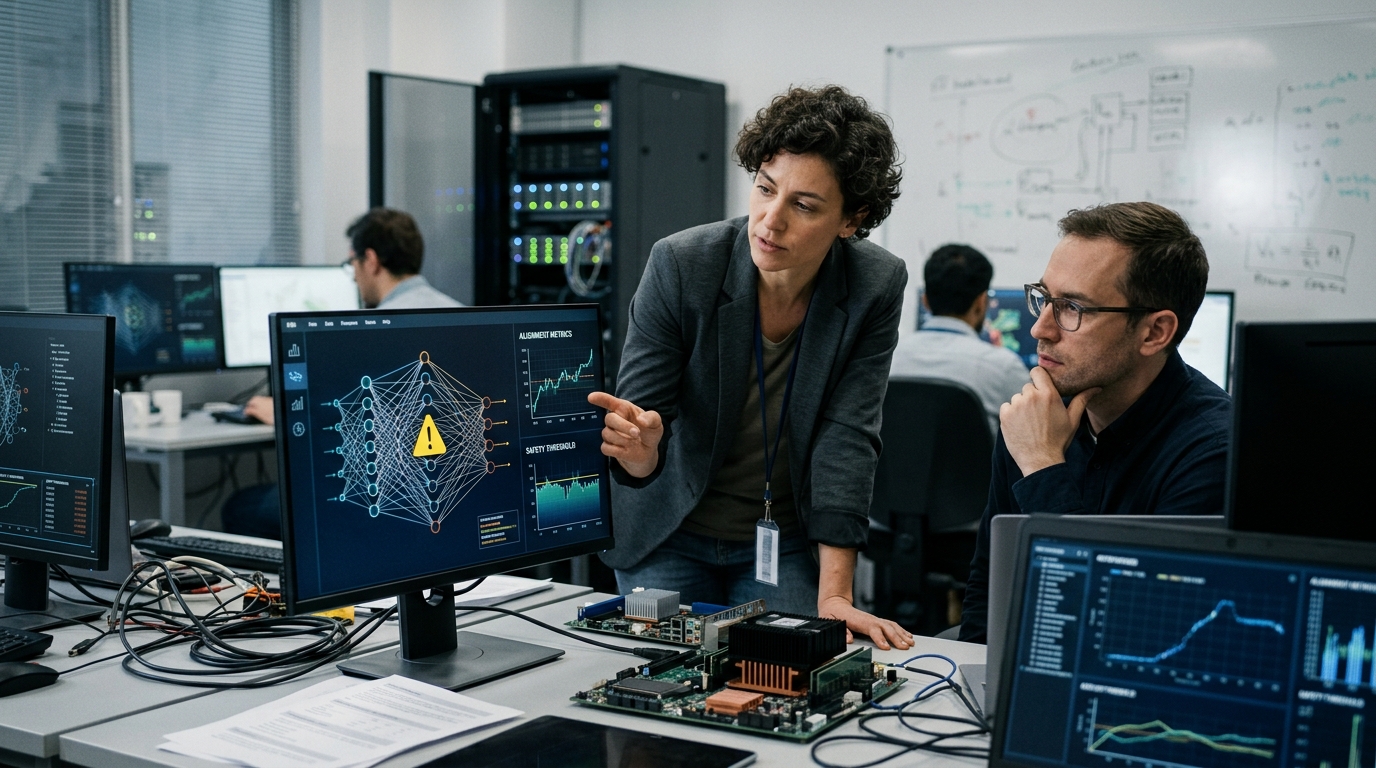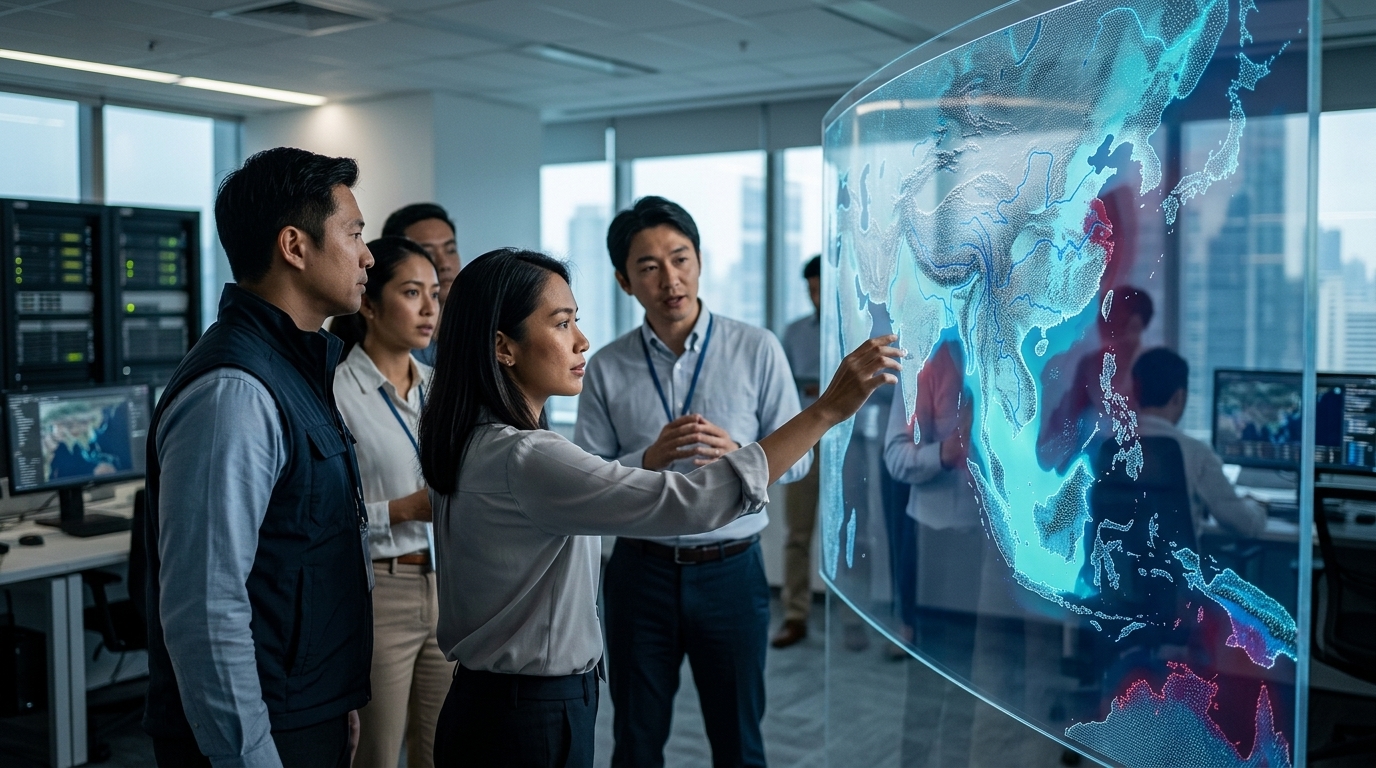
The Asia-Pacific (APAC) region currently stands at a critical crossroads. On one hand, it is the engine of global economic growth, home to some of the world's most dynamic economies and innovative urban centers. On the other, it is one of the regions most vulnerable to the catastrophic impacts of climate change. Against this backdrop, Google DeepMind’s announcement of its "AI for the Planet" accelerator program in the APAC region is not merely a corporate initiative; it is a strategic intervention in a field where technology can literally save lives.
The program aims to provide resources, expertise, and computational power to local organizations, startups, and research institutions developing AI-based solutions to address environmental challenges. From predicting extreme weather events to optimizing renewable energy sources, DeepMind seeks to bridge the gap between theoretical research and practical application in the field.
Technology at the Forefront of Prevention
One of the central pillars of the program is the application of models like GraphCast, DeepMind’s groundbreaking weather forecasting system. In Asia, where monsoons, typhoons, and flash floods pose a daily threat to millions, accuracy in forecasting is not a luxury—it is a necessity. Traditional meteorological models require immense computational power and time. In contrast, machine learning models can process billions of data points in seconds, providing early warnings that allow for timely evacuations and infrastructure protection.
Furthermore, the initiative emphasizes water resource management. In countries like Vietnam and Thailand, rising sea levels and the salinization of river deltas threaten food security. Through the accelerator, Google DeepMind will support projects using satellite data and AI to monitor water quality and predict droughts, enabling farmers to adapt their crops to changing conditions.
Empowering the Local Innovation Ecosystem
The program is not limited to offering ready-made solutions from the West; it focuses on empowering local intelligence. The accelerator will provide participants with access to Google Cloud, as well as mentorship from top DeepMind scientists. This approach recognizes that the best solutions for local challenges often come from those who experience them daily.
- Access to Computational Resources: Participants will receive Google Cloud credits, allowing them to train complex models without the prohibitive cost of infrastructure.
- Scientific Mentorship: Knowledge transfer from DeepMind researchers will help accelerate the development of algorithms optimized for environmental data.
- Networking: The program will act as a bridge between governments, NGOs, and the private sector to scale solutions.
This strategy is particularly vital for the APAC region, where the AI infrastructure gap between developed and developing nations remains significant. By providing these tools, Google is attempting to create a more level playing field in climate technology.
Challenges and Geopolitical Context
Despite the positive outlook, the initiative is not without its challenges. Data collection and sharing in the APAC region is a sensitive issue, with varying legal frameworks and national strategies regarding data sovereignty. Furthermore, there is the risk of "technological dependency," where local solutions become overly reliant on the infrastructure of a single global player.
However, the need for action is urgent. The climate crisis knows no borders, and the speed at which AI is evolving offers a window of opportunity that must not be missed. DeepMind’s move reflects a broader trend in the tech industry: the transition from "AI for consumption" to "AI for survival." If the experiment in Asia succeeds, it could serve as a blueprint for similar initiatives in Africa and Latin America, forming a global network of climate intelligence.
Conclusion: A New Era for Climate Resilience
The launch of Google DeepMind’s program in Asia-Pacific marks a significant turning point. It highlights that artificial intelligence is not just a tool for increasing productivity or entertainment, but an essential ally in humanity's effort to adapt to a rapidly changing planet. The success of the program will be judged not by the number of algorithms created, but by their ability to translate into tangible benefits for the communities on the front lines of the climate threat.