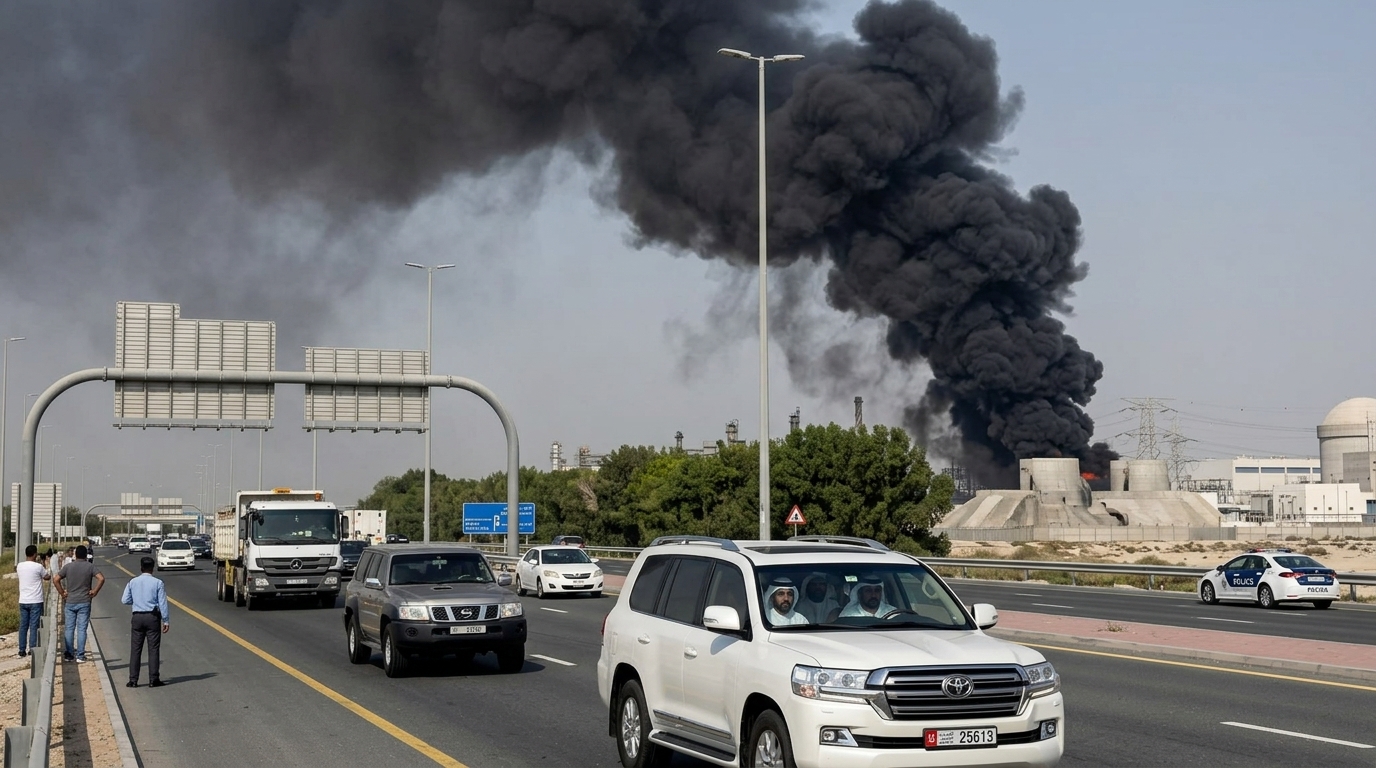
The news of the drone strike near the Barakah nuclear power plant in the United Arab Emirates (UAE) is not just another episode in the long-standing regional instability of the Middle East. It is a "dangerous escalation," as officially characterized by Abu Dhabi authorities, which poses a direct threat not only to the energy security of a rising Gulf superpower but also to the global taboo surrounding attacks on nuclear facilities.
The incident, which caused a fire in nearby facilities without affecting the integrity of the reactors, brings to the fore the terrifying effectiveness of cheap, autonomous weapon systems against multi-billion dollar infrastructure. In a region where geopolitical balances hang by a thread, the targeting of Barakah—a landmark project for the UAE's transition to clean energy—serves as a clear warning about the limits of traditional air defense.
The Strategic Importance of Barakah
The Barakah nuclear plant, the first of its kind in the Arab world, is more than just a power generation unit. With four South Korean-designed APR-1400 reactors, the complex provides up to 25% of the UAE's electricity needs. Its operation is the cornerstone of the country's "Net Zero by 2050" strategy, proving that Gulf states can lead in decarbonization.
However, this very concentration of power in one location makes Barakah an "attractive" target for asymmetric actors. Whether it is the Houthi rebels in Yemen—who have launched similar attacks in the past—or other pro-Iranian militias, the message is clear: no project, no matter how well-protected it is deemed, is invulnerable. The use of AI in the navigation of these drones now allows for the bypassing of sophisticated radar systems, making the threat constant and unpredictable.
The Challenge of the Asymmetric Threat
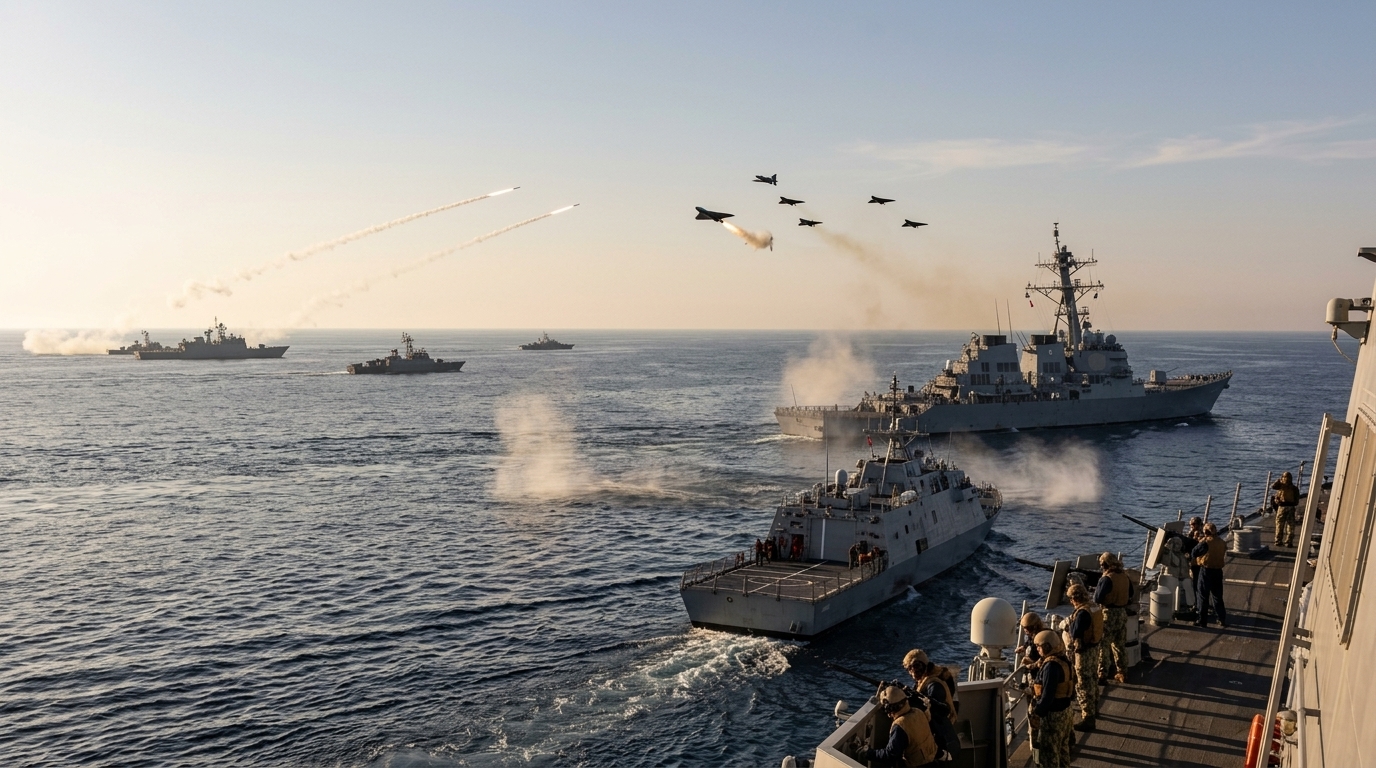
This attack highlights a deeper paradox of modern technology. While the UAE has invested billions in American and Israeli air defense systems, such as the Patriot and Iron Dome, drone swarms using artificial intelligence to communicate can "saturate" these defenses. The cost of an offensive drone may not exceed a few thousand dollars, while the interceptor missile costs millions.
This economic and operational asymmetry changes the rules of the game. International analysts warn that if such an attack managed to hit a reactor's containment building or spent fuel pools, the consequences would be catastrophic for the entire Persian Gulf region, causing environmental and economic paralysis. The International Atomic Energy Agency (IAEA) has repeatedly emphasized that nuclear facilities must remain outside military conflicts, but the reality on the ground shows that "red lines" are becoming increasingly blurred.
Geopolitical Implications and the Path Forward
The UAE's response is expected to be multi-layered. Diplomatically, Abu Dhabi will push for stricter international sanctions against technology suppliers of drones to non-state actors. Militarily, the need for anti-drone systems based on lasers or electronic jamming is now imperative. Security cooperation with Israel, bolstered following the Abraham Accords, is expected to deepen further as both countries face the same threat.
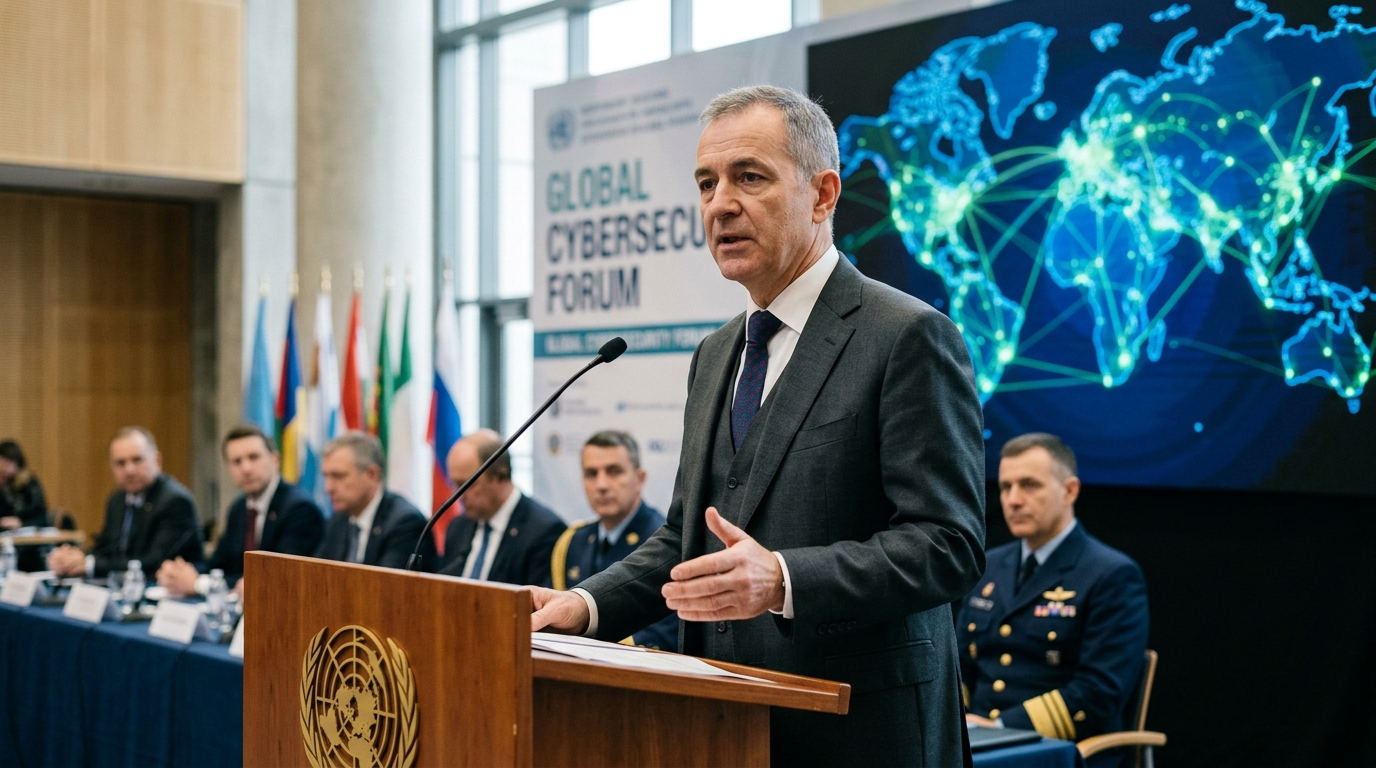
The Barakah incident is a reminder that progress and technological superiority do not guarantee security unless accompanied by a new architecture of regional stability. The Middle East is entering a phase where "nuclear peace" is being tested by "digital anarchy." The international community must realize that an attack on a nuclear plant is not just a local event, but a threat to global security and the future of clean energy.
- Targeting nuclear infrastructure is a flagrant violation of international safety norms.
- AI-powered drones are making traditional air defenses increasingly obsolete.
- The UAE's energy transition is being hit at the heart of its strategic planning.
- The need for a new international treaty on the use of autonomous weapons is more urgent than ever.