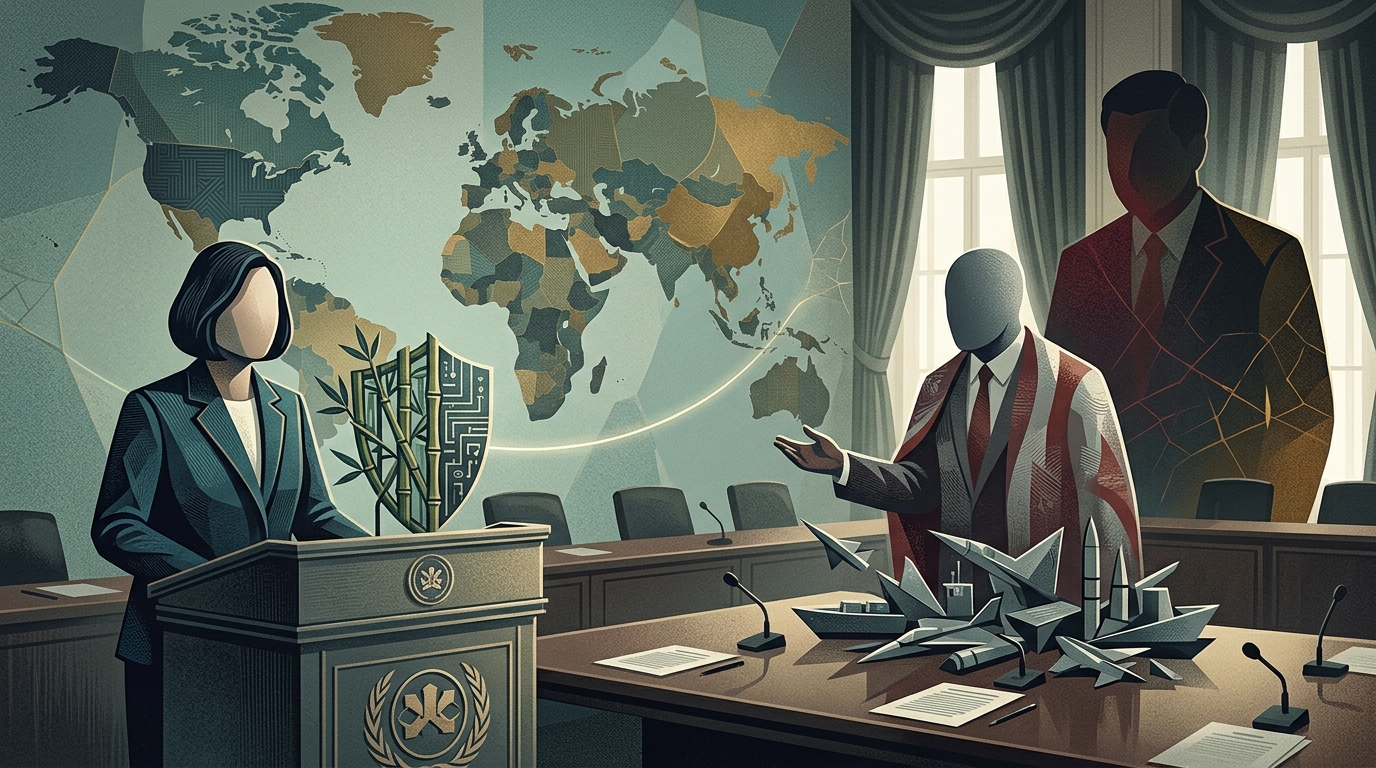
In an era where geopolitical instability in the Pacific increasingly mirrors the darkest days of the Cold War, Taiwan's leadership faces a dual challenge: China's escalating aggression and the unpredictable nature of U.S. foreign policy. The recent stance taken by the Taiwanese President regarding U.S. arms sales highlights a deep ideological rift between Taipei and the Donald Trump-led White House, despite their close military cooperation.
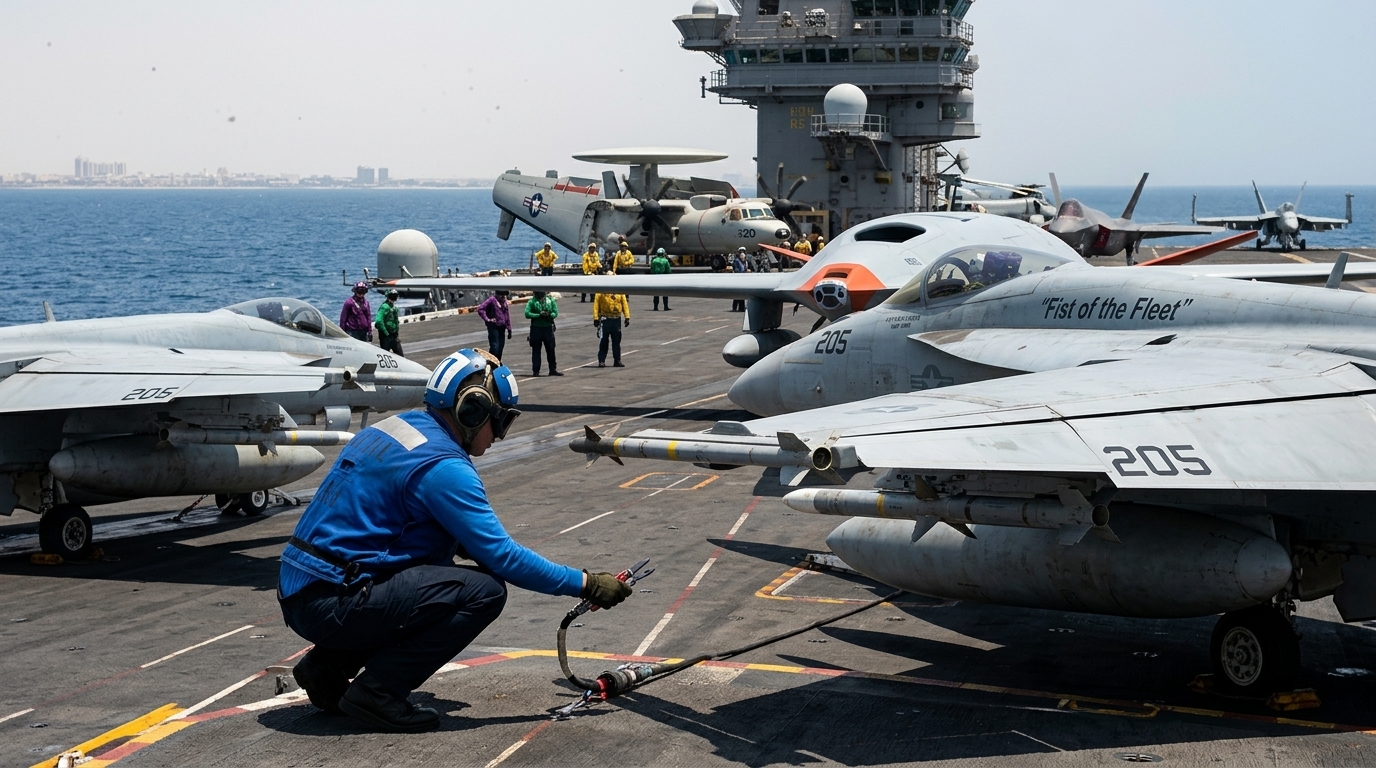
The $11 billion arms package, approved last December, represents a milestone in the bilateral defense relationship. It includes advanced missile systems, drones, artillery, and, most crucially, sophisticated military software integrating artificial intelligence for battlefield management. However, while Taiwan views these weapons as 'the most important deterrent' to regional conflict, Donald Trump appears to view them through a different lens: as a powerful 'bargaining chip' in his trade and diplomatic negotiations with Beijing.
The Porcupine Strategy and the Doctrine of Deterrence
For the Taiwanese government, acquiring these systems is not a mere commercial transaction but the implementation of the so-called 'porcupine strategy.' The goal is to make the island so difficult and costly to capture that Beijing would never dare a military intervention. The emphasis on drones and AI software indicates a shift toward asymmetric warfare, where technological superiority can offset the numerical advantage of China’s People’s Liberation Army (PLA).
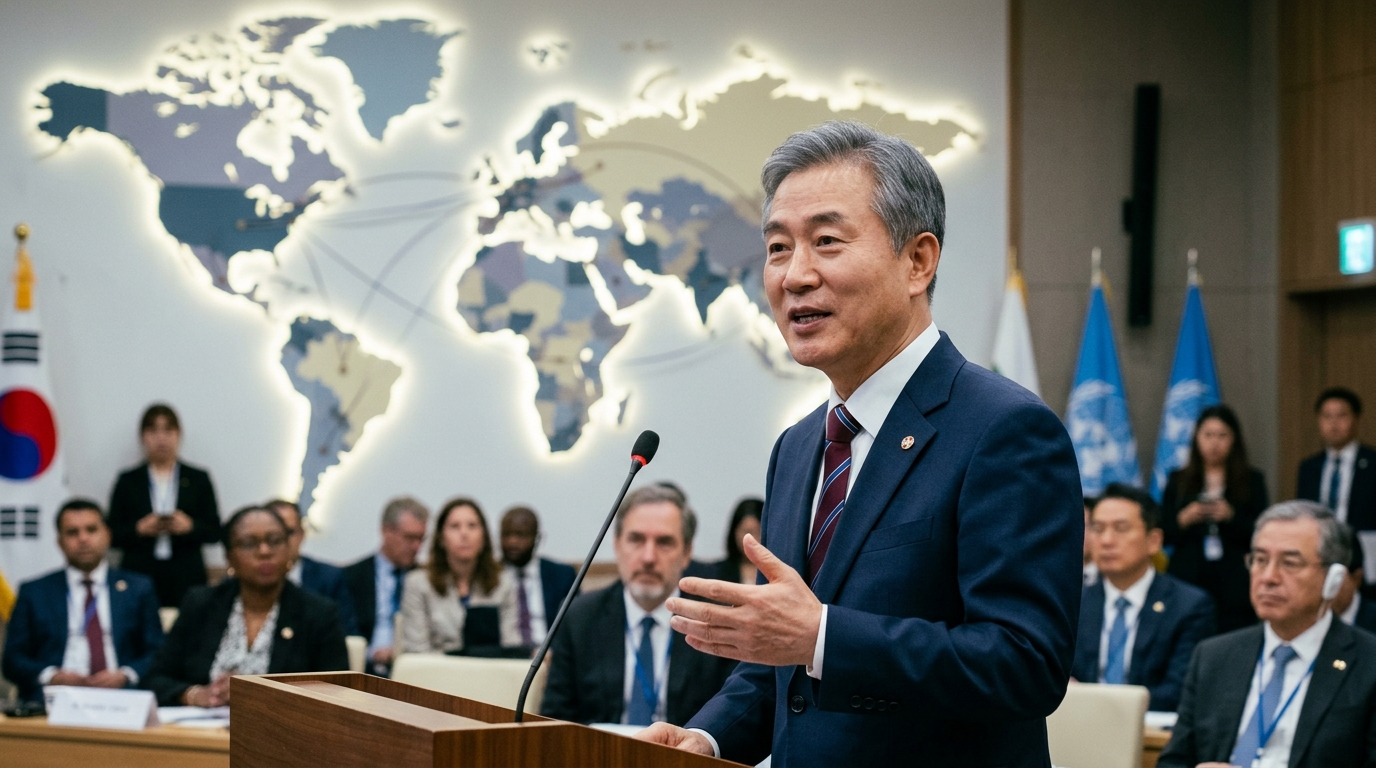
The President of Taiwan, in a rare direct response to Trump’s rhetoric, emphasized that peace in the Taiwan Strait cannot be a commodity. "Our security is not for sale, nor is it a lever for trade deals," the President stated. This position reflects a growing fear that a future agreement between Washington and Beijing regarding tariffs or trade deficits could lead to a reduction in American support for the island. In Taipei's eyes, deterrence is binary—it either exists or it doesn't; it cannot be discounted for the sake of a better deal on soybeans or steel.
Trump’s Transactional Diplomacy
Conversely, Donald Trump has repeatedly suggested that Taiwan should "pay for its protection," likening the relationship to an insurance policy. His rhetoric regarding 'bargaining chips' undermines the long-standing U.S. ideological commitment to defending democracy in the region, transforming a geopolitical constant into a variable of his economic agenda. This approach causes nervousness not only in Taipei but also among other U.S. allies in the region, such as Japan and South Korea, who wonder if their own defense guarantees come with an expiration date or a price tag.
The $11 billion package includes systems that allow Taiwan to strike targets deep within the Chinese mainland, a move Beijing considers a 'red line.' The integration of AI systems capable of coordinating hundreds of drones simultaneously is a game-changer, as it reduces reaction time in the event of a surprise attack. For Trump, however, the value of these systems is measured in American defense industry jobs and the billions of dollars flowing into U.S. coffers. This divergence in perspective creates a strategic ambiguity that is far more volatile than the traditional policy of the same name.
Implications for Global Stability
The clash of these two approaches creates a dangerous security vacuum. If Beijing believes that U.S. support is indeed transactional, it may attempt to 'buy out' Washington’s neutrality during a critical moment. Conversely, if Taiwan feels abandoned, it might be driven to more erratic procurement moves or even a unilateral declaration of independence, which would trigger an immediate conflict.
In this environment, artificial intelligence plays the role of an arbiter. The surveillance systems included in the arms package allow for the continuous monitoring of Chinese movements, reducing the chances of miscalculation. Yet, political uncertainty remains the greatest wildcard. Taiwan is working hard to convince the international community that its survival is vital to the global economy, given that it produces 90% of the world’s most advanced semiconductors. This 'silicon shield' is perhaps the only argument that carries real weight in the transactional logic of contemporary Washington.
"Deterrence is not just about weapons; it is about credibility. If the commitment of our allies appears to have a price, then peace is already lost," a senior Taipei official remarked.
In conclusion, Taiwan finds itself in the uncomfortable position of having to arm itself to the teeth to avoid war, while simultaneously convincing its primary supplier that it is not merely a customer, but a strategic partner. The evolution of this relationship in the coming months will determine not only the future of the island but also the security architecture of the entire 21st century. As AI becomes more integrated into the defense of the island, the human element—the political will of leaders in Washington and Beijing—remains the most volatile component of the equation.