The evolution of Artificial Intelligence (AI) is at a critical turning point. While the last two years have been dominated by Large Language Models (LLMs) like GPT-4, Goldman Sachs, in an extensive new report, argues that the next great revolution will not be about words, but about understanding the physical world. So-called "World Models" have now become the holy grail for researchers and investors alike, promising an intelligence that doesn't just reproduce text, but perceives causality, physics, and spatial relationships.
According to Goldman Sachs analysts, the transition from "statistical word prediction" to "reality simulation" will unlock trillions of dollars in value. This development is not merely technical; it is structural for the global economy, as it will allow AI systems to operate autonomously in physical environments—from warehouses and factories to city streets and operating rooms.
Beyond Words: What are World Models?
LLMs, despite their impressive ability to compose essays or write code, lack what we call "common sense" about the physical world. If you ask an LLM to describe what happens when a glass falls off a table, it will do so accurately because it has read thousands of similar descriptions. However, it doesn't "understand" gravity or momentum. World Models aim to bridge this gap.
A World Model is an AI system that builds an internal representation of the environment. Instead of predicting the next token in a sentence, it predicts the next state of the world after a specific action. This ability to simulate "what if" scenarios is the key to true intelligence. Goldman Sachs points out that companies like OpenAI (with its Sora model) and Wayve (in the autonomous driving sector) are already carving this path. The ability of AI to visualize and understand the laws of physics means it can be trained in virtual environments before being applied to the real world, drastically reducing costs and risks.
Strategic Importance for Industry and Decision Making
For the business world, World Models are not just a technological achievement but a strategic survival tool. Goldman Sachs emphasizes that the ability to simulate complex systems—from global supply chains to consumer behavior in a physical store—will allow management to make decisions based on thousands of potential scenarios previously "run" in a digital model of the world.
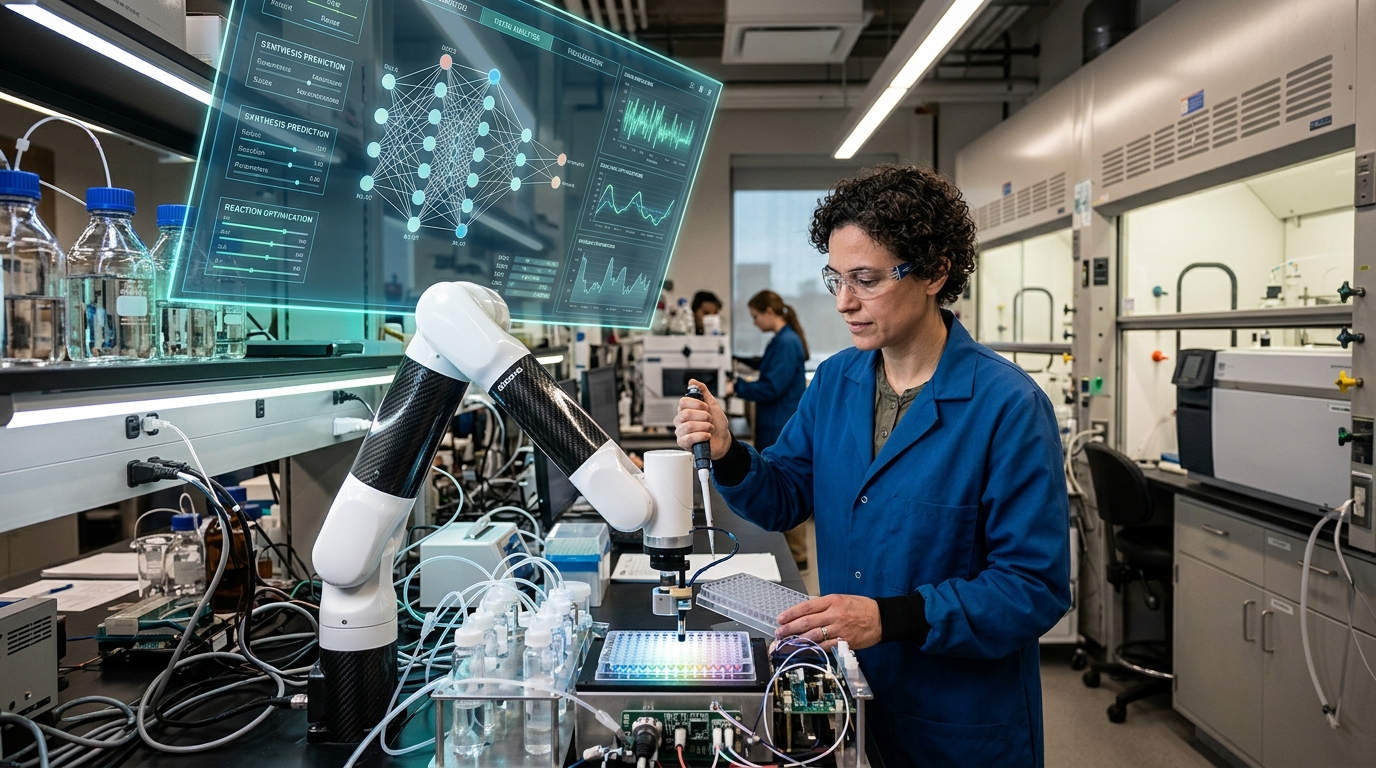
- Robotics: Integrating World Models into humanoid robots will allow them to navigate unstructured environments (like a home or a construction site) without the need for pre-defined commands.
- Supply Chain Automation: AI will be able to predict how a natural disaster or a political crisis will affect the flow of goods by simulating physical delays and alternative routes.
- Digital Twins: The concept of digital twins is being upgraded. They will no longer be static models but dynamic environments that "think" and evolve.
The Economic Bet and the Investment Race
Goldman Sachs does not hide its excitement regarding the capital flows that will be required. Developing World Models requires massive computational power, much greater than that of LLMs, as processing video and spatial data is extremely energy-intensive. This means that demand for specialized semiconductors (GPUs) and cloud infrastructure will remain at historic highs for the next decade.
"We are not just in an AI bubble, but in a structural reallocation of capital toward computational power that will form the foundation of the future economy," the report states.
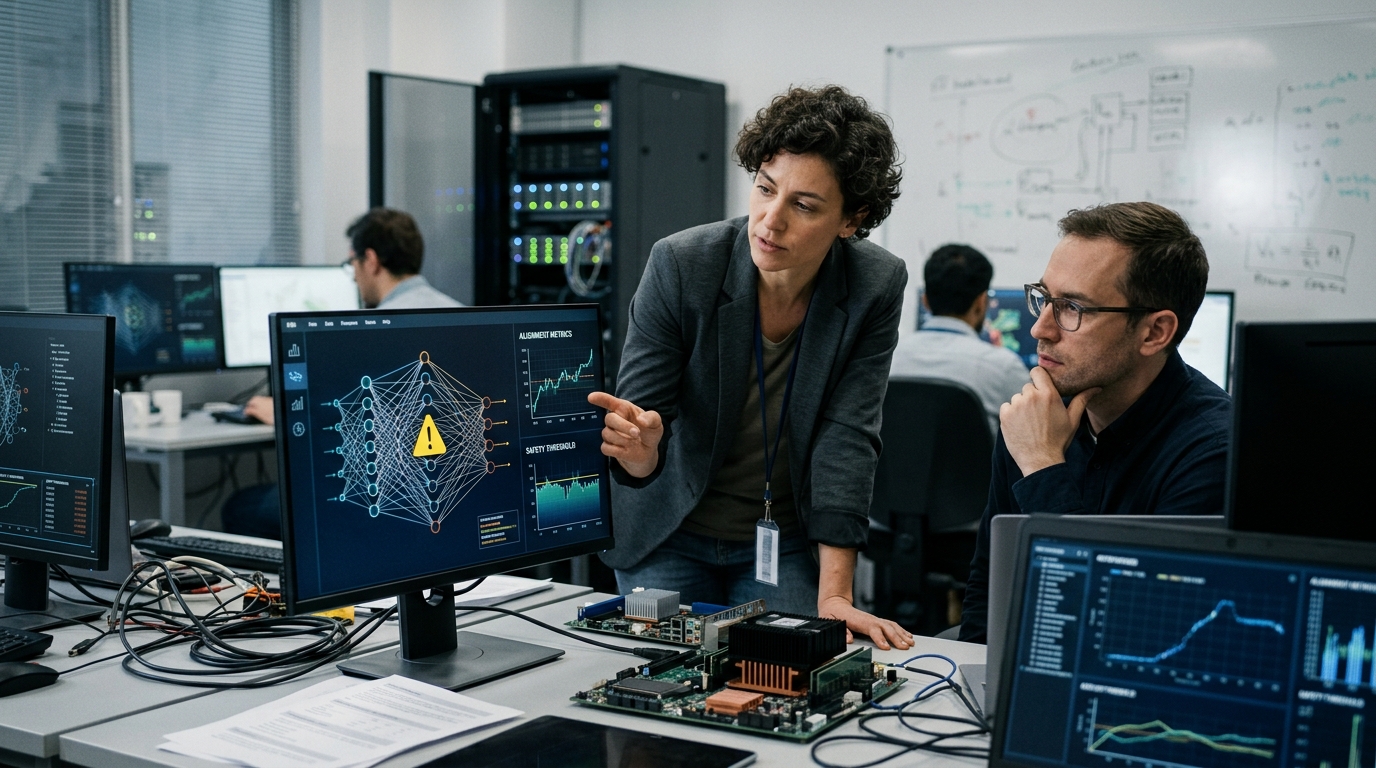
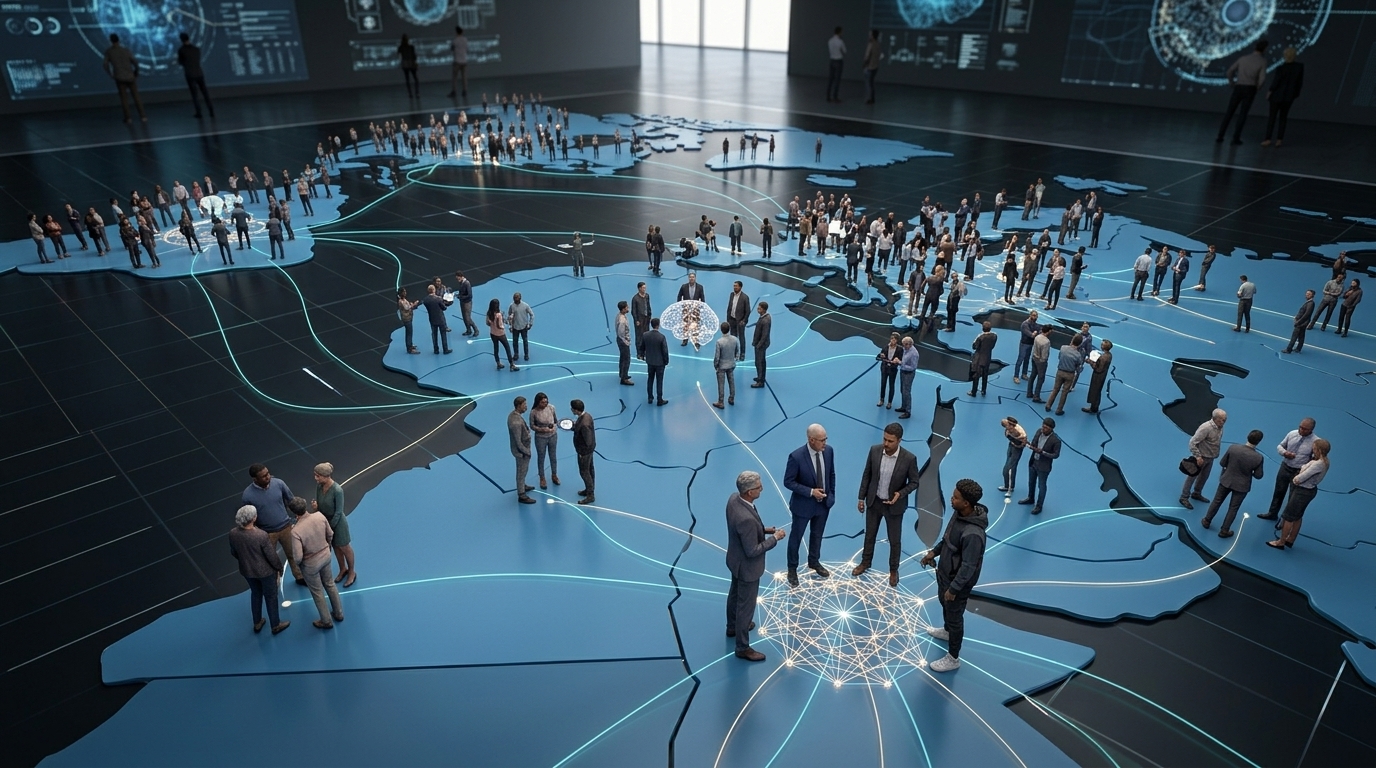
However, challenges remain. Goldman Sachs warns of the "reality gap"—the distance between a simulation and the real world. If a model makes a mistake in simulating physics, the real-world consequences could be catastrophic. Furthermore, the concentration of this technology in the hands of a few major players (Big Tech) raises questions about competition and geopolitical power, as whoever controls the "model of the world" will have an unprecedented advantage in predicting and controlling economic developments.
In conclusion, Goldman Sachs invites us to look beyond the chatbot on our screens. The future of AI lies in its ability to step out of the digital world and understand, simulate, and ultimately interact with the reality that surrounds us. It is a bet that, if won, will redefine the meaning of productivity for the 21st century.