The current Artificial Intelligence revolution, sparked by Large Language Models (LLMs), appears to be reaching a critical juncture. While ChatGPT and its rivals impress with their ability to synthesize text, experts—and now top Wall Street analysts—recognize a fundamental gap: the lack of a 'world model.' In a recent extensive analysis, Goldman Sachs highlights that this is the missing link that will allow AI to transition from digital chatter to real, autonomous action in the physical world.
The Problem of 'Stochastic Parrots'
Today's models function as highly sophisticated next-token predictors. They learn from vast volumes of text but possess no inherent sense of gravity, friction, or causality. As Goldman Sachs points out, if you ask an LLM to describe what happens if you pull a tablecloth from under a vase, it provides an answer based on texts it has read, not because it 'sees' or understands the physics of the phenomenon. This lack of understanding of the physical world is what prevents AI from achieving Artificial General Intelligence (AGI).
The so-called 'godfathers' of AI, such as Meta's Yann LeCun, have long argued that current architectures are limited. LeCun believes LLMs are doomed to make logical errors because they lack an internal model of how reality works. Goldman Sachs adopts this perspective, emphasizing that the next phase of investment will be directed toward companies attempting to teach machines the 'common sense' of the physical world.
What is a World Model?
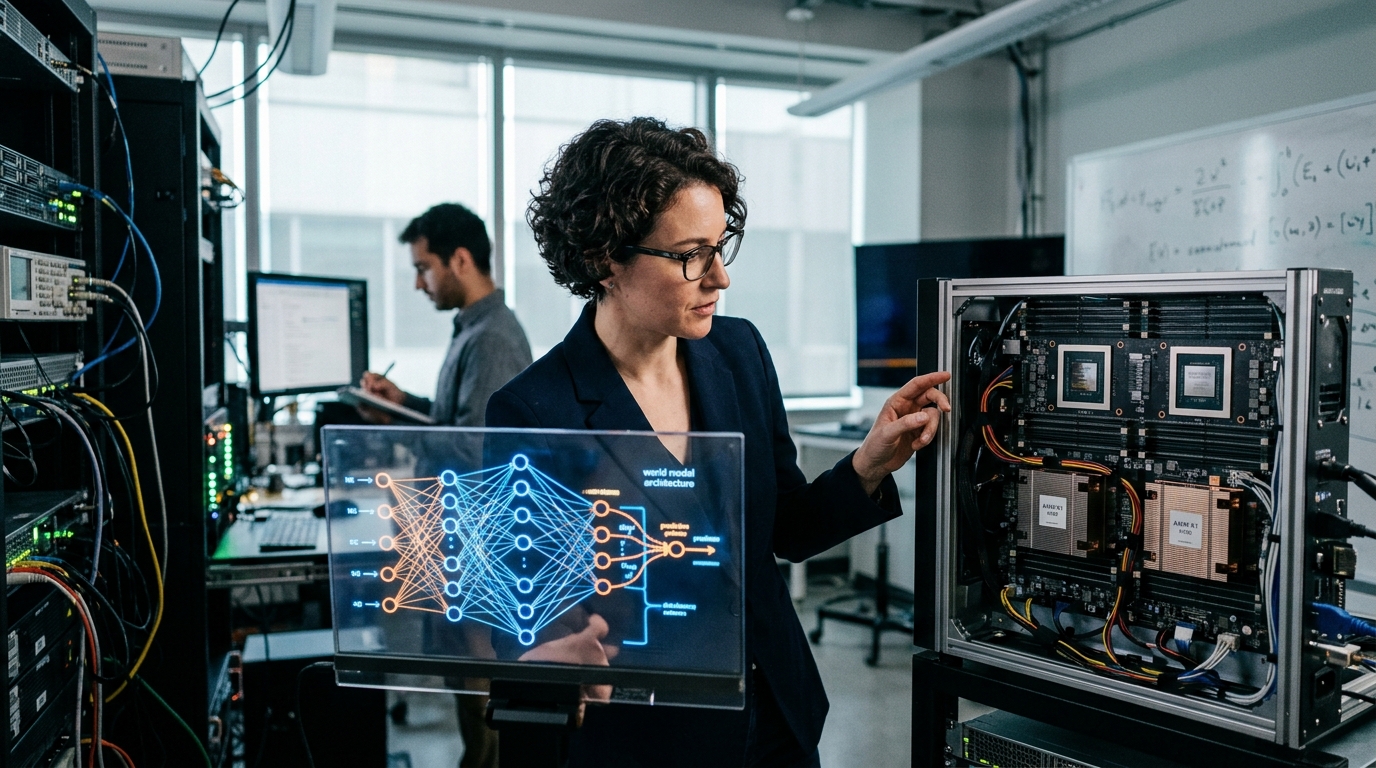
A world model is an internal representation that allows a system to simulate its environment and predict the consequences of its actions. Humans possess such models from infancy. We intuitively know that if we let go of an object, it will fall. For AI, building such a model requires a radical shift in training: from text-based learning to learning through video and sensory data.
- State Prediction: The system's ability to imagine what the world will look like five seconds from now.
- Planning: Using that prediction to make decisions that lead to a specific goal.
- Causal Understanding: Distinguishing between 'what happened' and 'why it happened.'
Goldman Sachs notes that OpenAI, with its Sora video generation model, took a first step in this direction, although Sora still makes 'physics mistakes,' such as showing objects disappearing or moving contrary to the laws of physics. The real challenge is creating a model that doesn't just 'look' visually correct but obeys the rules of reality.
The Economic Dimension and Competition
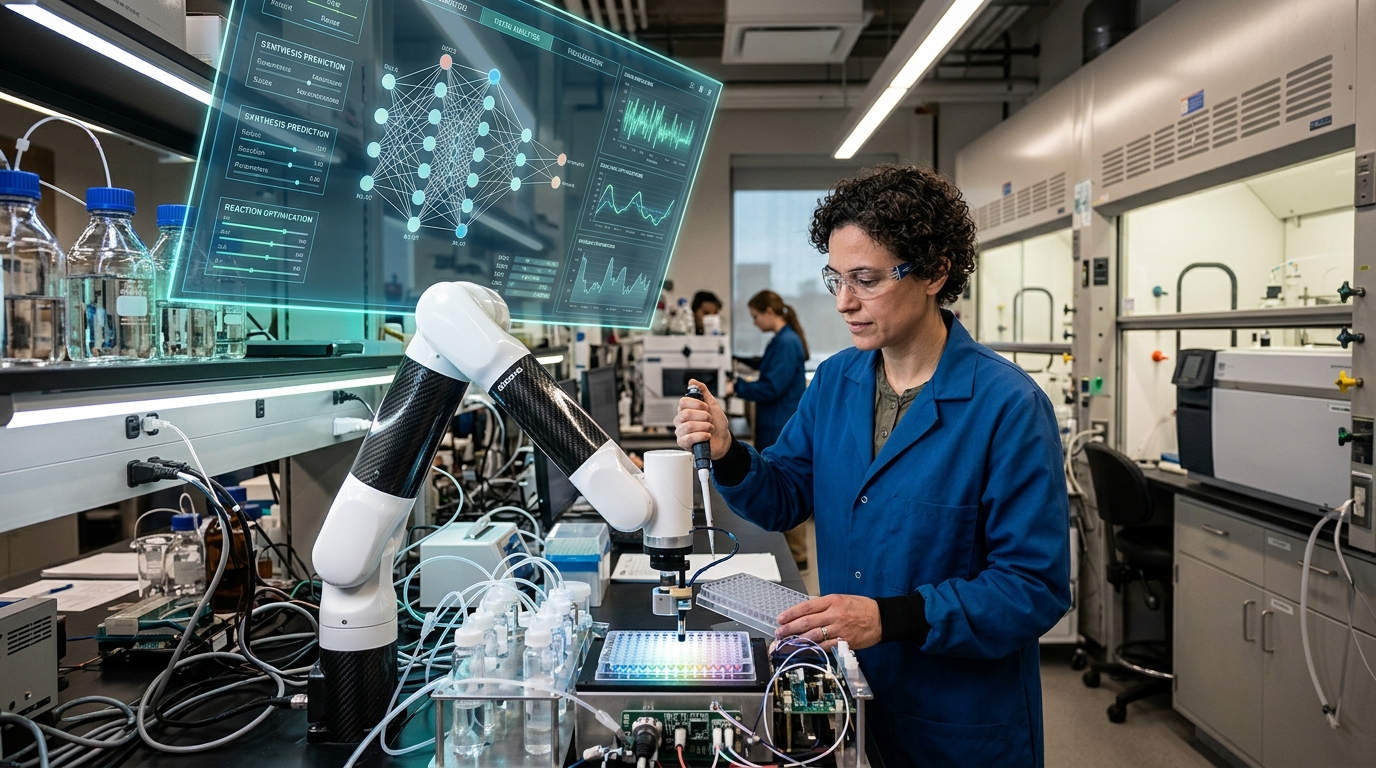
Why is an investment bank like Goldman Sachs concerned with theoretical computer science? The answer lies in productivity. If AI acquires a world model, it could lead to a new generation of robotics that would revolutionize manufacturing, construction, and logistics. We are no longer talking about a chatbot writing emails, but about systems that can handle physical objects with the same dexterity a human uses to navigate a warehouse.
"The transition to world models is the difference between an AI that helps us write and an AI that can build a house," the report states.
The competition is fierce. Meta is investing billions into LeCun's JEPA (Joint-Embedding Predictive Architecture), which aims specifically at building these models without the need for the massive amounts of data required by LLMs. Meanwhile, Google DeepMind and Tesla (via Full Self-Driving) are trying to solve the same problem from different angles. Goldman Sachs predicts that capital expenditures (CapEx) in this sector will skyrocket over the next three years as the 'arms race' shifts from raw computing power to structural intelligence.
The Future: From Chatbots to Physical World Assistants
The analysis concludes that we are at the end of the era of 'blind scaling.' Simply adding more data and GPUs may not be enough to overcome the barrier of lack of understanding. The next generation of AI must be 'embodied,' interacting with the world and learning from its mistakes, just like a child. For investors, this means attention must shift from companies that merely offer software to those bridging the gap between digital intelligence and physical action. The 'world model' is not just technical jargon; it is the key to the next industrial revolution.