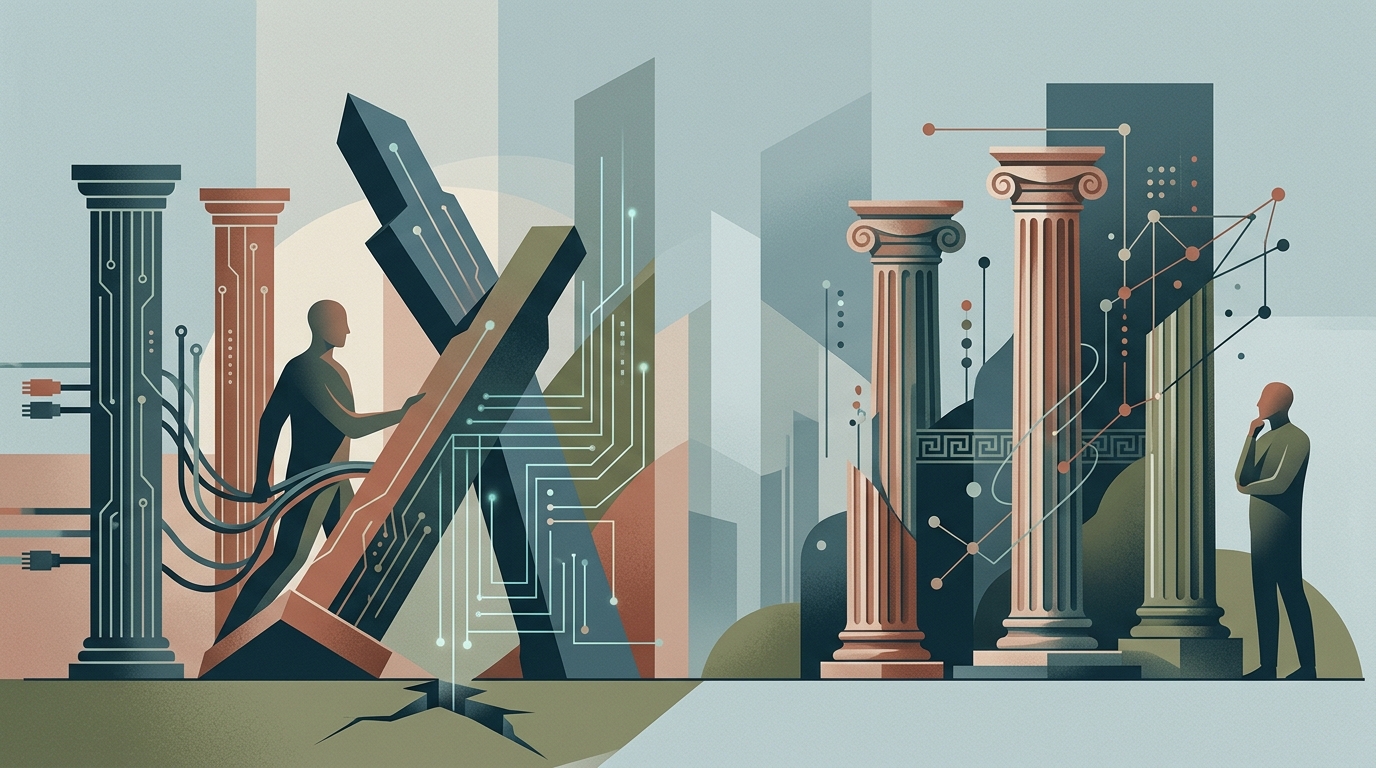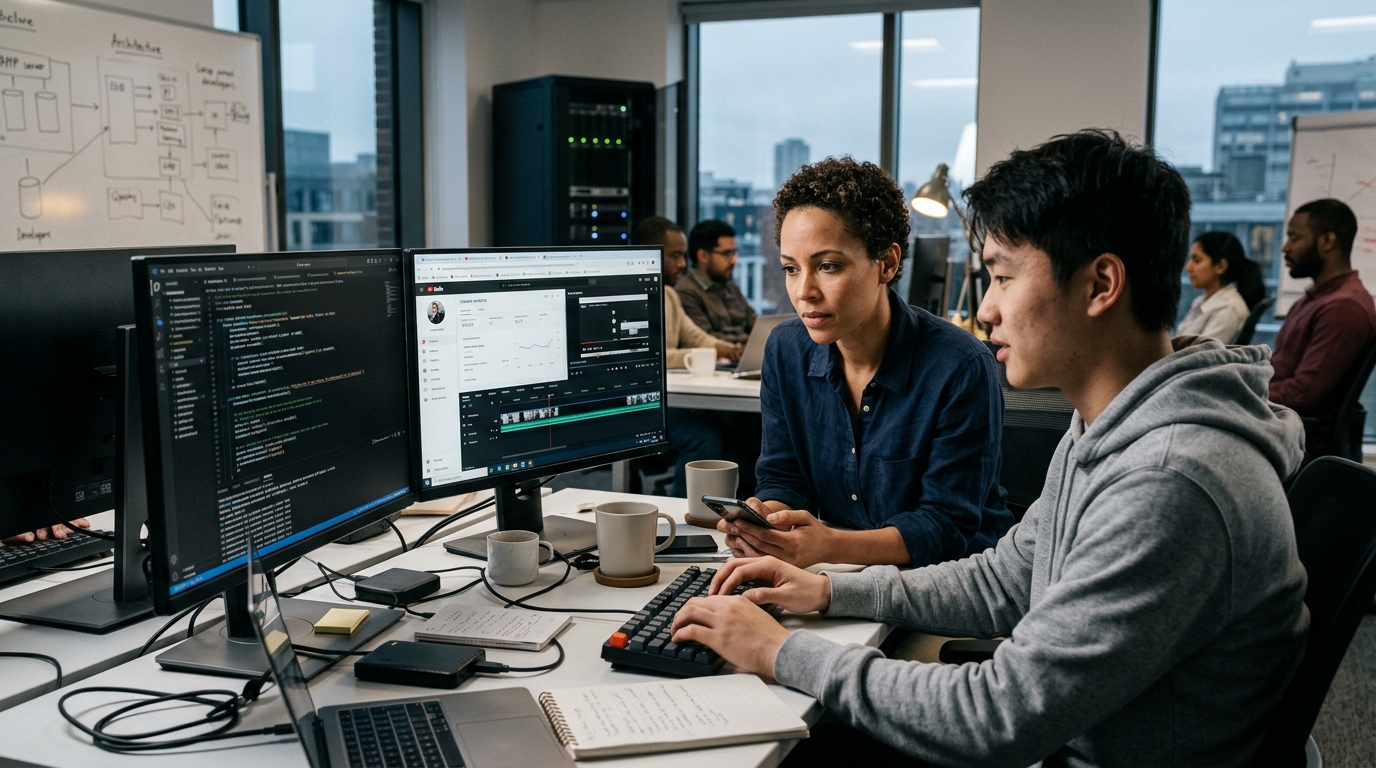
The digital age is at one of its most pivotal turning points, with YouTube no longer being just a video-sharing platform, but a sophisticated Artificial Intelligence (AI) ecosystem. For the average user, AI is the invisible force selecting the next video. For the professional, however, it is a multidimensional partner redefining creativity, productivity, and accessibility.
The Architecture of Recommendations: Moving Beyond Clickbait
At the heart of YouTube lies its recommendation algorithm, which now relies on advanced neural networks that analyze not just what you watch, but how you interact with content in real-time. Understanding this system is the first step to using the platform "like a pro." Google's algorithms have shifted from simple click-through rates to evaluating "user satisfaction" and long-term engagement value.
- Contextual Relevance: AI now recognizes the context of videos, allowing users to find niche information even if titles don't contain exact keywords.
- Dynamic Adaptation: The homepage shifts based on the time of day, device, and recent search history, creating a unique "content bubble" for every individual user.
"AI on YouTube is no longer a sorting tool, but a digital experience curator that predicts our needs before we even articulate them," industry analysts suggest.
Creator Tools: The New Professional Toolkit
For content creators, AI offers capabilities that previously required entire production crews. YouTube is now integrating tools like Dream Screen, which allows for the creation of generative AI backgrounds for YouTube Shorts, and Aloud, a dubbing tool that uses AI to translate and dub videos into other languages while maintaining the creator's voice profile.
Using these tools requires a strategic approach. Professionals don't let AI do all the work; they use it to eliminate repetitive tasks. AI-generated auto-chapters and video summaries help improve SEO and viewer experience, allowing the creator to focus on storytelling and visual quality. The efficiency gains are massive, but the human touch remains the differentiator in a saturated market.
Transparency and Ethics in the Age of Deepfakes
With the rise of generative AI, YouTube has established strict rules regarding transparency. Users who wish to navigate the platform professionally must know how to recognize "AI-generated content" labels. The platform now requires creators to disclose when they have used synthetic media to create realistic but altered content.
This evolution is critical for combating misinformation. Professional viewers use source-checking tools and observe subtle details in movement and audio that betray AI usage. The ability to distinguish between authentic and synthetic content has become a fundamental digital literacy skill in 2026. Trust is the currency of the creator economy, and AI labels are the regulatory framework protecting it.
The Future: Interactivity and Personal Assistants
Looking ahead, YouTube is experimenting with AI chatbots that allow viewers to ask questions about the video they are currently watching. Imagine watching a programming tutorial and being able to ask the AI, "What does this line of code mean?" without pausing the video. This interactivity transforms YouTube from a passive experience into a dynamic educational tool. Understanding these capabilities is what separates the casual viewer from the professional who leverages technology for personal and career growth.