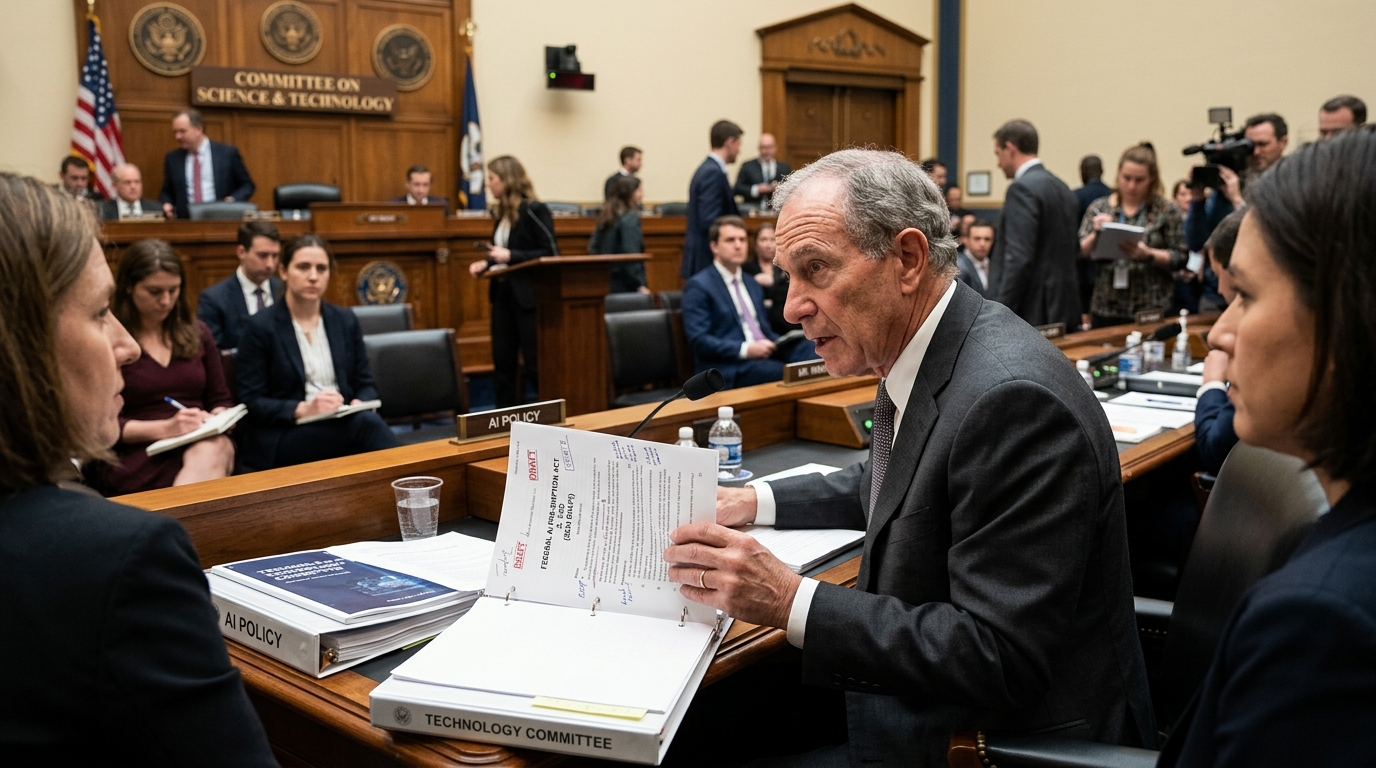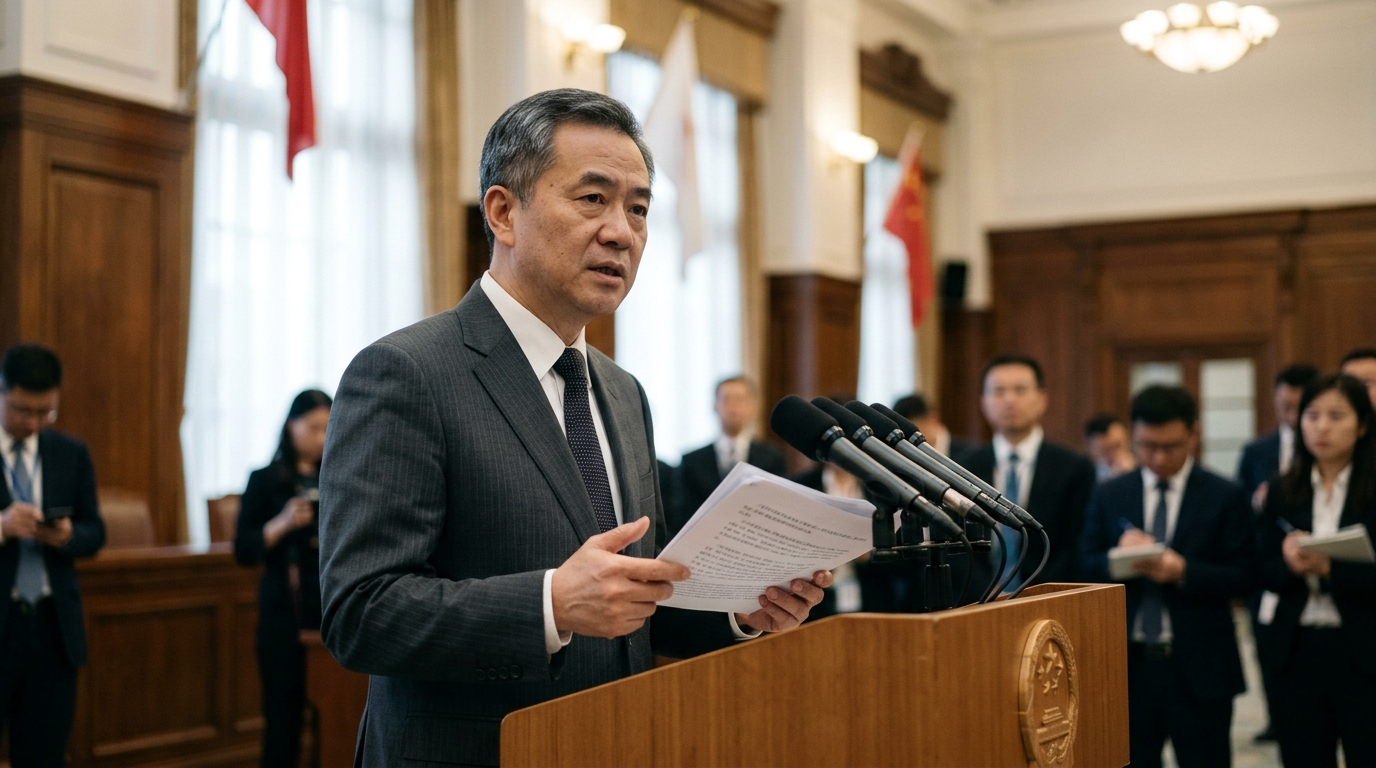
The geopolitical chessboard of Artificial Intelligence (AI) is vibrating with a new, intense confrontation as Beijing categorically rejected recent U.S. allegations regarding the malicious use of technology. In a statement reflecting the deep rift between the two superpowers, the Chinese Ministry of Foreign Affairs characterized Washington's claims as "completely baseless" and "politically motivated," signaling a further deterioration in relations within the critical sector of technological governance.
The Nature of Allegations and the Chinese Counter-Offensive
U.S. authorities have repeatedly expressed concerns that China is utilizing AI to bolster cyberattack capabilities, suppress internal dissent, and conduct disinformation campaigns abroad. However, Beijing maintains that these accusations are part of a broader U.S. strategy to stifle China's technological progress. The Chinese side emphasizes that its own approach to AI focuses on social development, economic prosperity, and global security, facilitated through its recently unveiled "Global AI Governance Initiative."
According to analysts in Beijing, Washington is using the pretext of "national security" to impose unilateral sanctions and export restrictions on critical technologies, such as advanced semiconductors. This tactic, according to the Chinese leadership, not only undermines international supply chains but also obstructs the global cooperation necessary to address the existential risks AI poses to humanity.
The Race for Technological Supremacy
The conflict is not merely about words; it concerns the essence of global dominance in the 21st century. Artificial Intelligence is regarded as the "general-purpose technology" that will define the economic and military power of the coming decades. The U.S., maintaining a lead in Large Language Models (LLMs) and chip design, is attempting to build an "alliance of democracies" to set standards for the ethical use of AI. Conversely, China is investing billions into its AI infrastructure, aiming to become the global leader by 2030.
Beijing's rhetoric focuses on "data sovereignty" and the rejection of what it terms "technological hegemonism." The Chinese government argues that every state should have the right to develop and regulate AI according to its own national conditions and cultural values, directly challenging the universality of Western standards regarding human rights and algorithmic transparency.
Implications for International Governance
Beijing's refusal to accept U.S. criticism complicates efforts toward a unified global regulatory framework. Despite high-level summits like the one at Bletchley Park or discussions at the UN, a lack of trust remains the primary obstacle. China accuses the U.S. of "double standards," pointing to its own mass surveillance activities and the use of AI in military drones, rendering U.S. ethical lectures hollow in the eyes of Chinese diplomacy.
In this environment, the risk of an AI "Splinternet"—a divided digital world with different standards, technological stacks, and ethical codes—is becoming increasingly visible. Developing nations find themselves in the middle of this fray, forced to choose between U.S. platforms and Chinese infrastructure, a choice that will have long-term political and economic consequences.
Conclusion: Toward a Permanent Confrontation?
Beijing's rejection of these allegations is not just a routine diplomatic move; it is a declaration of independence. China is making it clear that it will not bow to Western pressure and will continue to develop its own AI ecosystem on its own terms. As we move into the latter half of the decade, the ability of these two powers to find common ground, even at a technical level, will determine whether AI serves as a tool for global progress or the ultimate weapon in a new era of geopolitical instability.
- China views U.S. allegations as an attempt to contain its economic and tech growth.
- Washington focuses on security risks and potential human rights violations via AI.
- The semiconductor trade war remains the central battlefield of this dispute.
- International observers fear a permanent fragmentation of global tech standards.