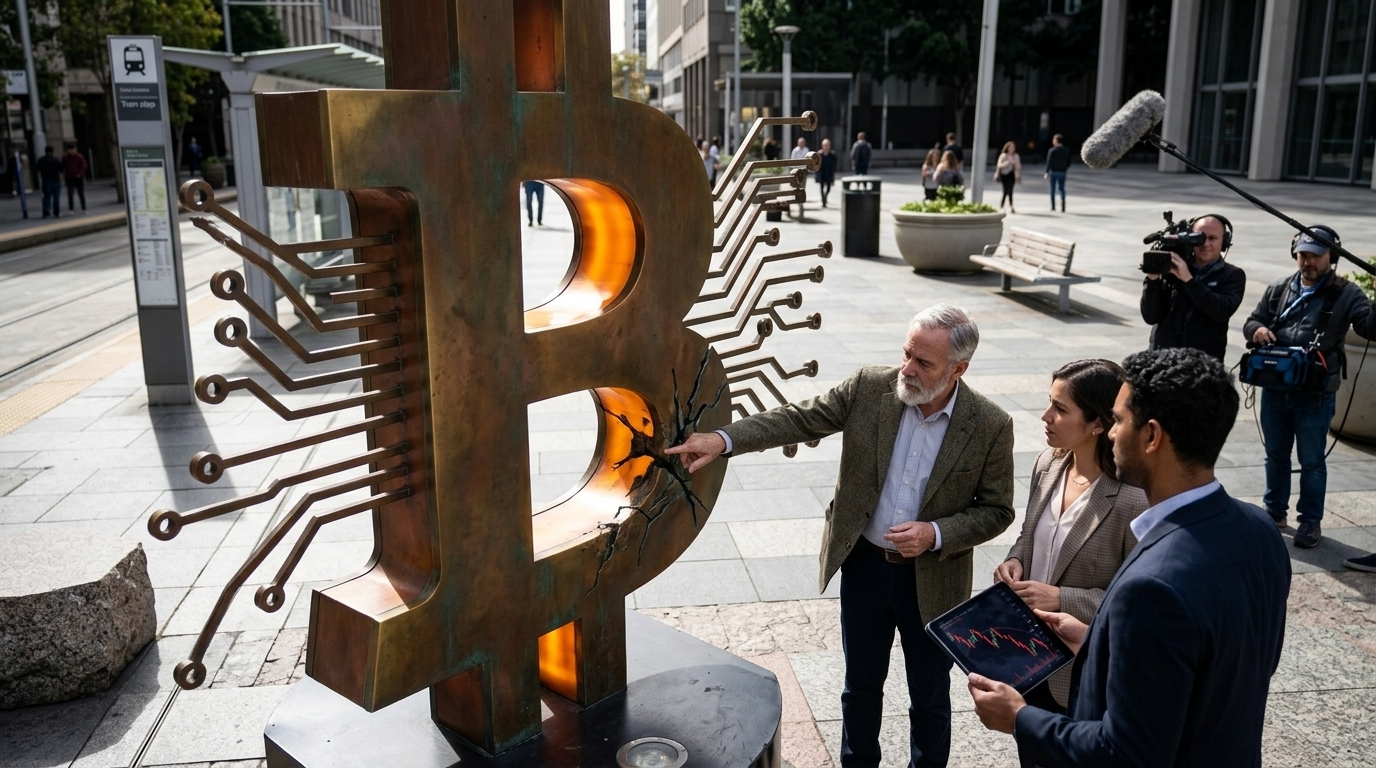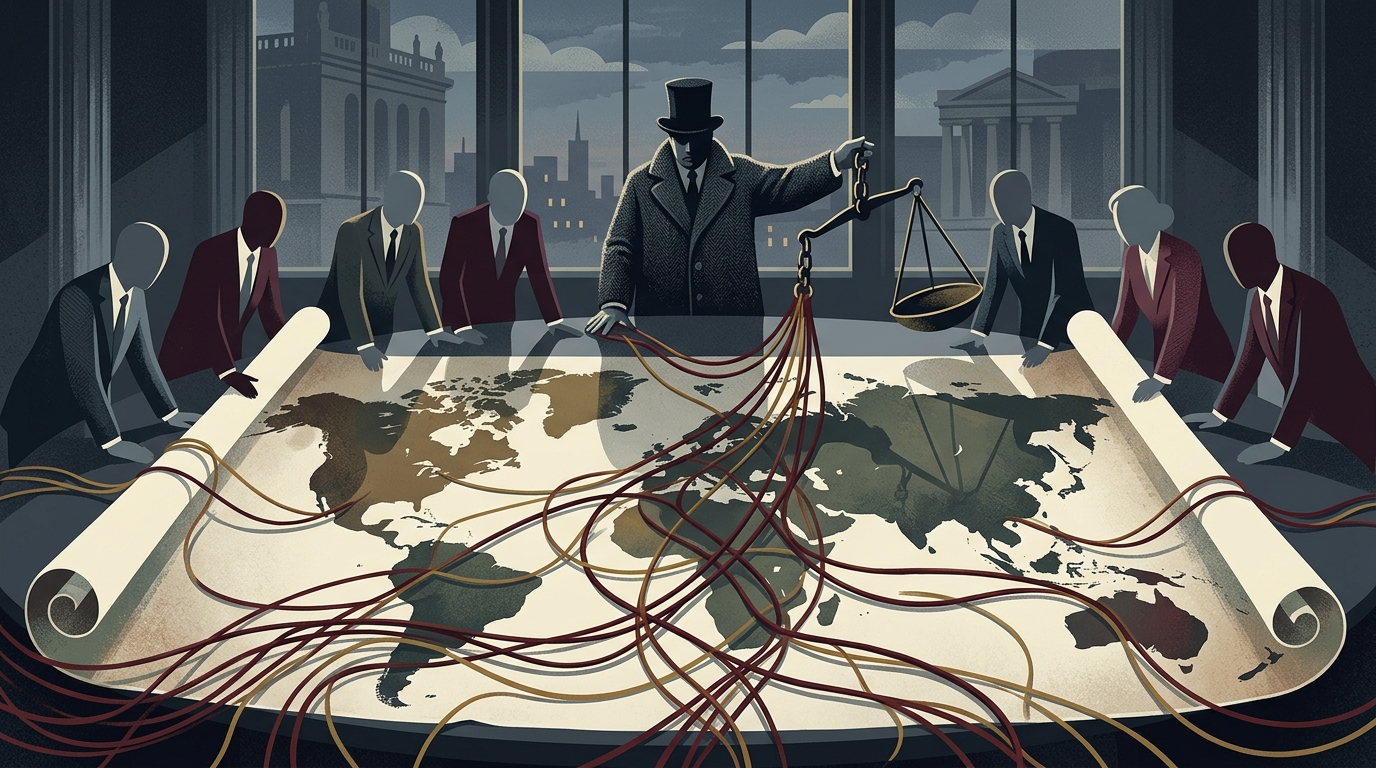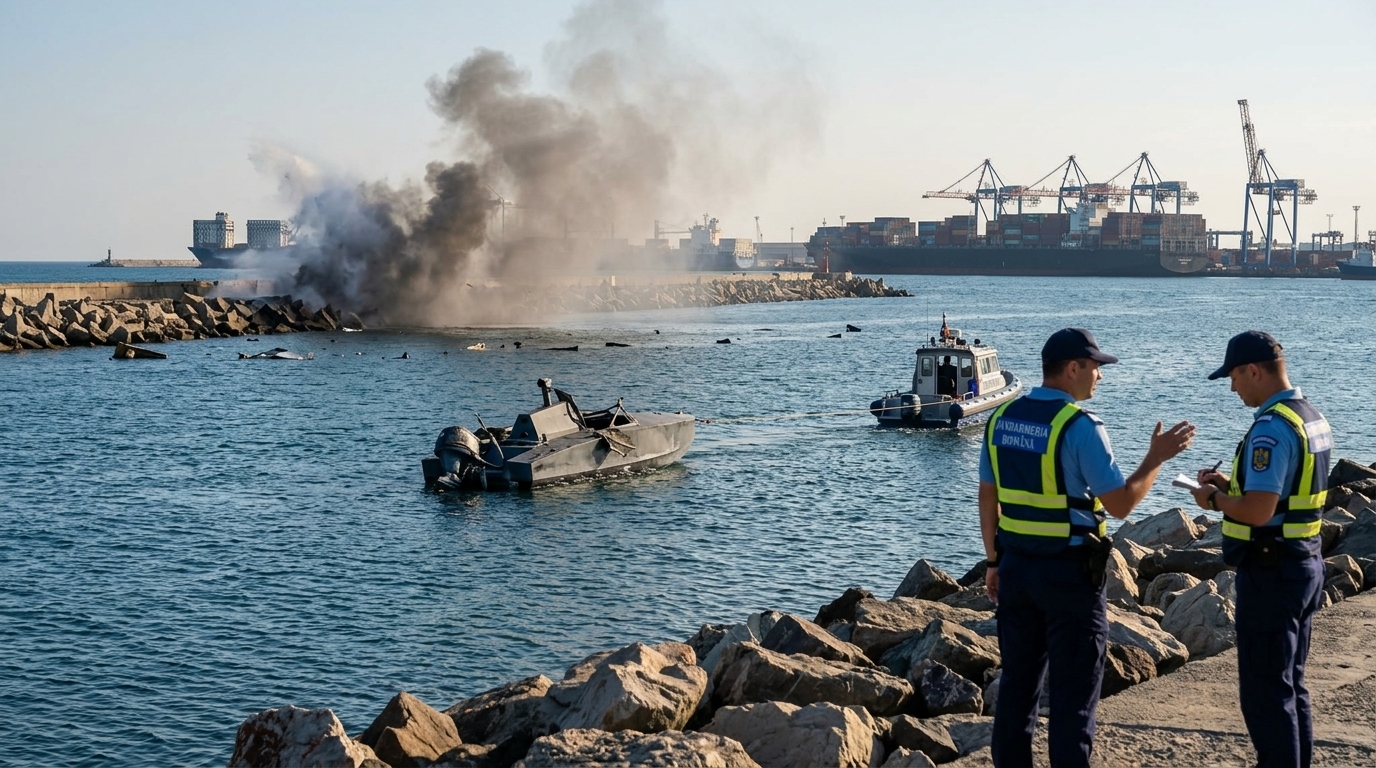
As diplomatic efforts to end the conflict in Iran intensify in April 2026, the global technology market is confronting a harsh truth: the geopolitical damage to the semiconductor supply chain has already been structuralized. While markets react positively to the prospect of a ceasefire, the structural weaknesses exposed and exacerbated by this war will not vanish with the signing of a treaty. Artificial Intelligence, which relies on an extremely sensitive and concentrated production chain, is now entering an era of "permanent crisis."
The Strait of Hormuz and the Achilles' Heel of Innovation
The strategic importance of the Strait of Hormuz is often analyzed through the lens of oil, but for the AI revolution, the stakes are different. The disruption of trade routes in the region directly affected the transport of critical noble gases and rare earths essential for chip lithography. Neon and helium, often collected as byproducts of the energy industry in the wider region, saw their prices skyrocket, forcing giants like TSMC and Samsung to seek alternative sources at significantly higher costs.
Furthermore, the increase in risk premiums for cargo ships crossing the region has created a domino effect of delays. Producing an AI chip, such as Nvidia's Blackwell series, requires the coordination of hundreds of suppliers worldwide. A two-week delay in a single component passing through the Middle East can translate into months of delay for the delivery of final servers to the data centers of Microsoft or Google.
The Invisible Raw Materials Crisis
The war in Iran was not merely a military conflict; it was a catalyst for the reshuffling of global stockpiles. During the crisis, many countries moved to "nationalize" their resources, fearing a generalized shortage. This led to an artificial scarcity of materials like palladium and antimony, which are vital for the stability of high-performance circuits. Even if the guns fall silent tomorrow, the trade barriers and protective policies adopted during the conflict will take years to dismantle.
- Increase in AI chip production costs by 25% within 18 months.
- Shift of investment from Research and Development (R&D) to securing the supply chain.
- Acceleration of "friend-shoring" programs by the US and the EU.
According to analysts, the AI industry has already lost approximately $150 billion in potential growth due to shortages and chip price inflation. This gap will not be closed immediately, as new fabrication plants (fabs) planned in Arizona and Germany will not be fully operational until 2027.
The Day After: Strategic Autonomy or Decline?
This crisis has taught Big Tech companies that dependence on specific geographical regions is an existential threat. The trend we are seeing now is the "de-globalization" of chip production. However, this process is extremely costly. Building a semiconductor production ecosystem away from traditional routes requires not only capital but also specialized human talent, which is currently in short supply.
"The war in Iran was the final warning. The era of cheap and abundant chips is over. Artificial Intelligence will continue to evolve, but its pace will now be dictated by geopolitical security, not just innovation," says a senior executive at a leading semiconductor firm.
In conclusion, the ceasefire is a welcome humanitarian and economic development, but for the high-tech sector, the scars are deep. The companies that will survive and dominate the next phase of the AI revolution will be those that manage to build resilience in a world where peace is often fragile and supply chains even more so.