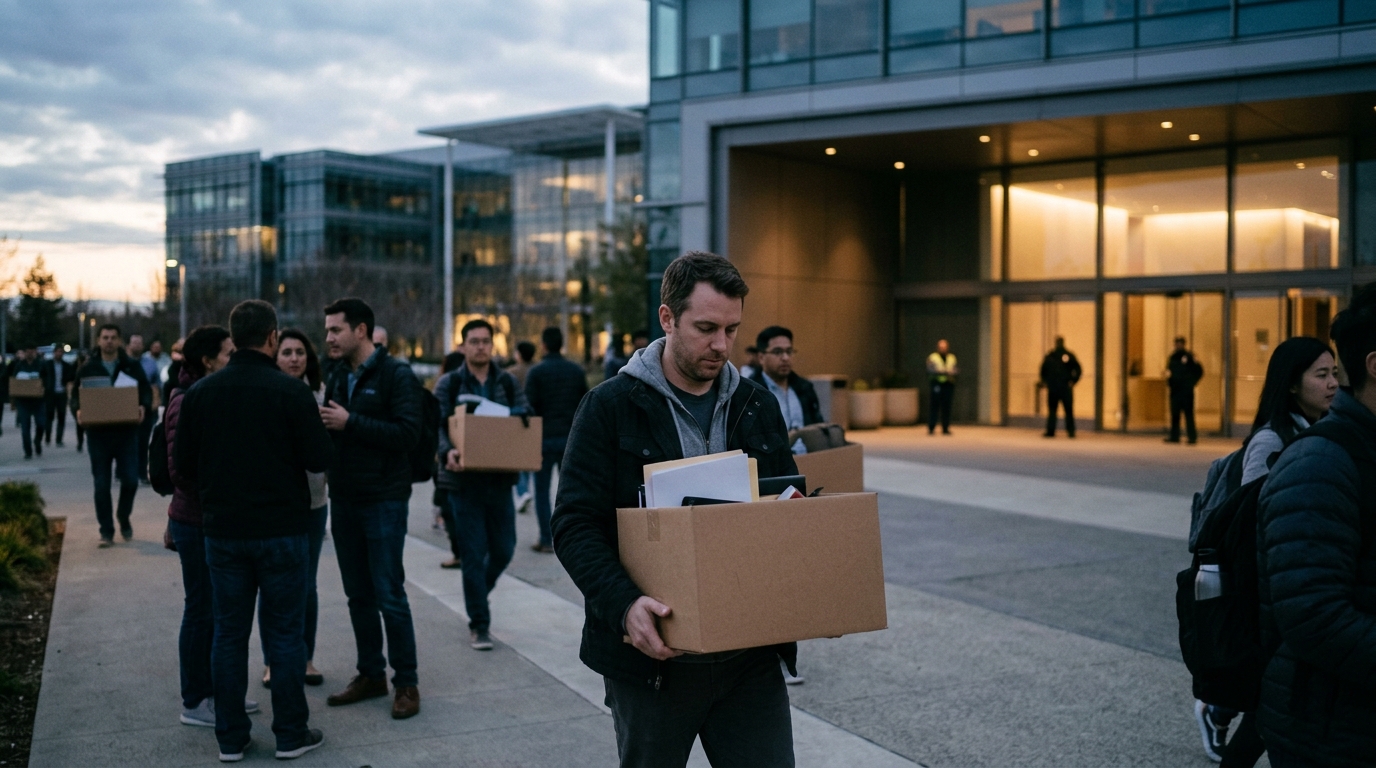
In a move that underscores the brutal reality of the new technological era, Meta Platforms Inc. announced today a new wave of cuts involving 8,000 jobs worldwide. This decision is not merely a cost-cutting exercise; it signals the definitive abandonment of Mark Zuckerberg's previous obsession with the Metaverse in favor of an aggressive and total pivot toward Artificial Intelligence (AI).
The Strategy of 'Efficiency' and the End of an Era
For many analysts, the 8,000 layoffs are a continuation of the "Year of Efficiency" declared by Zuckerberg in 2023, which now appears to be transforming into a permanent operational dogma. The cuts primarily affect middle management and departments related to the development of Horizon Worlds, the virtual reality platform that failed to gain mainstream traction despite billions of dollars in investment.
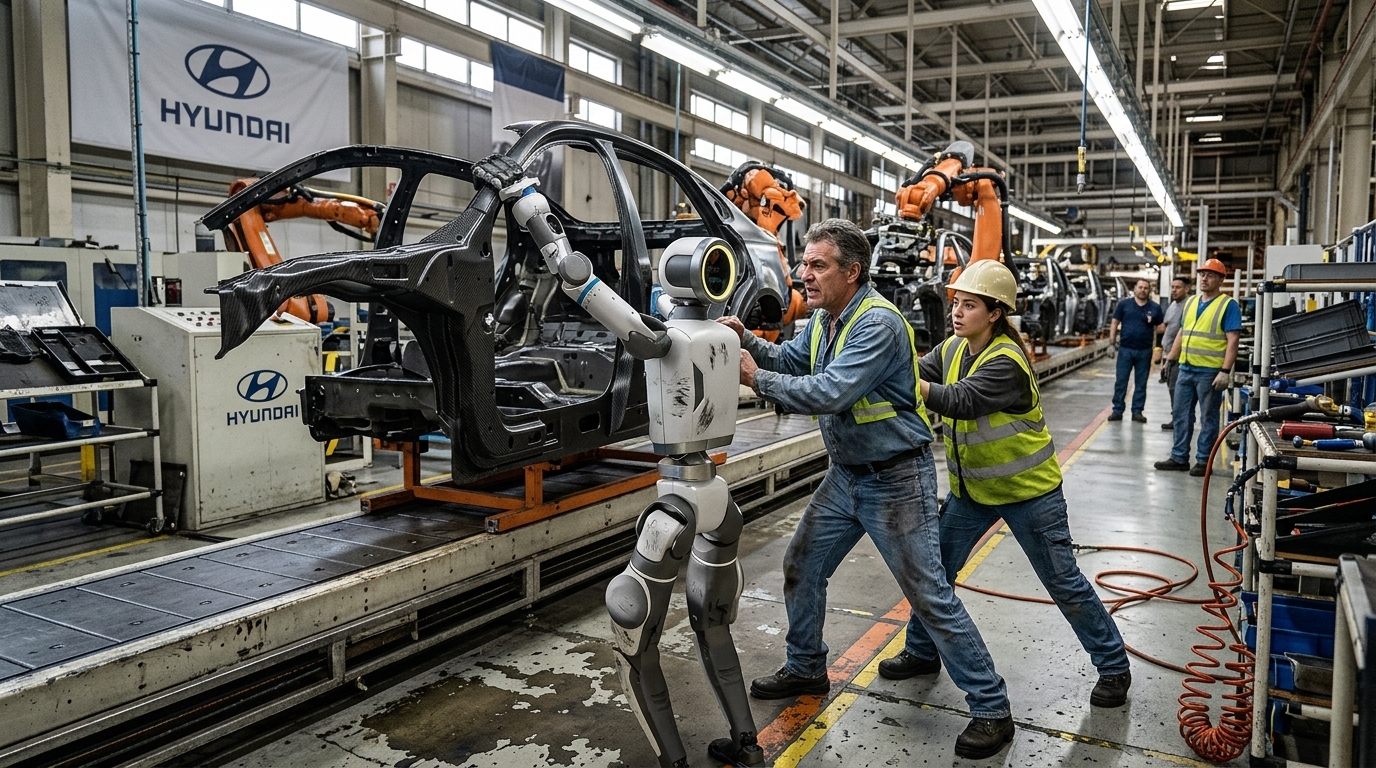
In a leaked internal memo, the company's leadership made it clear that Meta's structure must become "flatter and faster." In practice, this means that many roles traditionally performed by humans—such as project coordination, basic coding, and data analysis—are now being replaced by internal AI tools based on the Llama 4 model. Meta is not just reducing its staff; it is replacing them with algorithms.
The Rise of Llama and the Battle for Supremacy
The pivot to AI is not just defensive. Meta is now investing the lion's share of its capital expenditure into building massive data centers and purchasing specialized chips from Nvidia. The goal is for Meta to become the world's leading provider of open-source AI, using Llama as the backbone upon which thousands of other applications will be built.
- Integration of AI agents across WhatsApp, Messenger, and Instagram.
- Automated creation of advertising content for businesses.
- Development of custom silicon (MTIA chips) to reduce reliance on third parties.
- Focus on Artificial General Intelligence (AGI) as the ultimate objective.
This strategy seems to be paying off on Wall Street, as the company's stock rose immediately following the announcement. Investors applaud the discipline in capital allocation, believing that AI offers much more immediate profitability prospects compared to the distant and uncertain Metaverse.
The Human Impact and the Ethical Dilemma
However, the cost of this transition is heavy for the workforce. These layoffs come at a time when the tech labor market is already saturated. Many of those laid off are highly skilled engineers who saw their roles deprecated within months by the advent of large language models.
"This is not a simple economic correction," says a leading Silicon Valley labor relations analyst. "It is the first time we are seeing a company of this magnitude essentially state that AI can do the work of thousands of people better and cheaper."
Meta is attempting to sugarcoat the pill by offering generous severance packages, but a sense of insecurity now permeates the entire industry. The question that remains unanswered is whether a company run by algorithms can maintain the creativity and empathy required to manage the social networks of billions of people.
Conclusion: Meta's New Identity
In conclusion, the Meta of 2026 bears no resemblance to the Facebook of 2016. It is an AI infrastructure company that happens to own social networks. The 8,000 layoffs are the price of entry into a new era, where efficiency is measured in flops and model parameters, rather than employee well-being. Mark Zuckerberg has bet everything on AI, and the world is watching to see if this gamble will vindicate him or lead to a further alienation of technology from humanity.