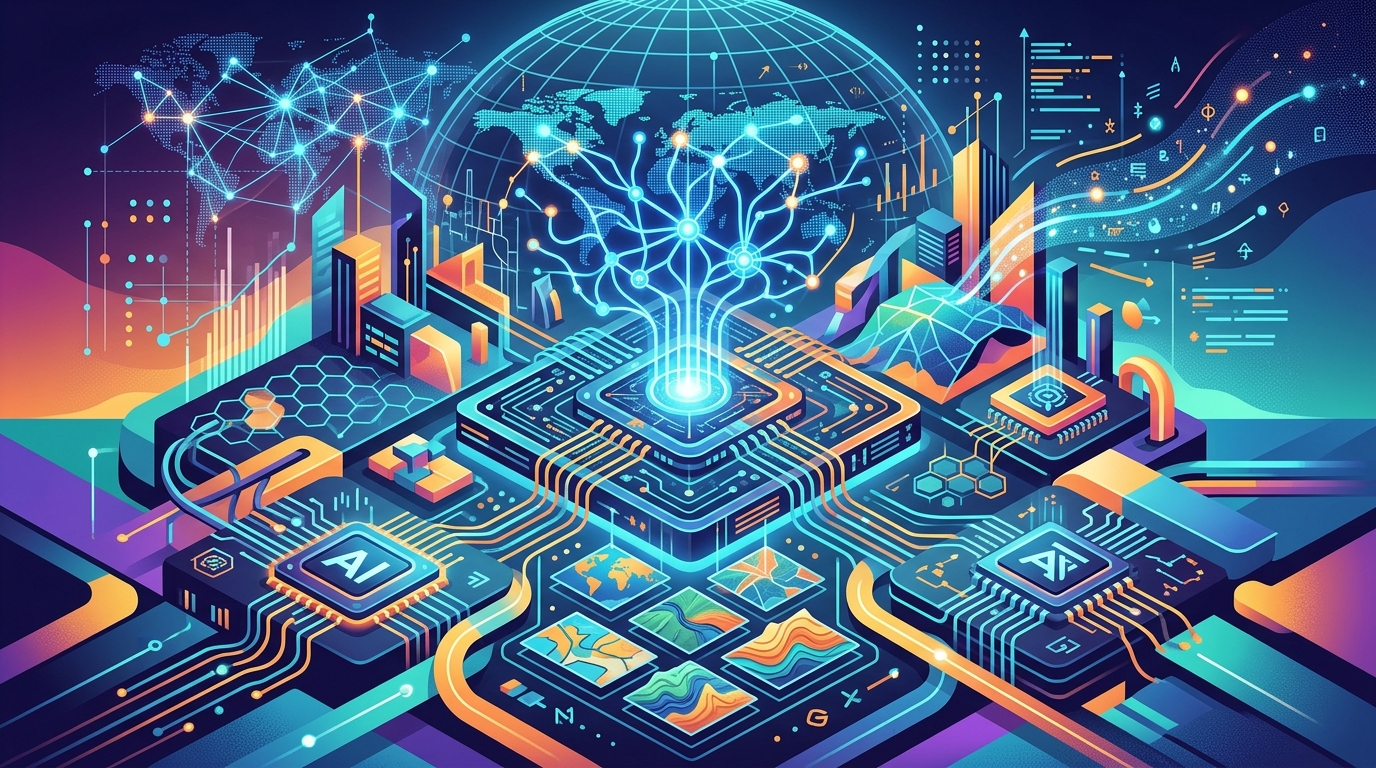
The evolution of Artificial Intelligence has long passed the stage of simple text generation. Today, we stand on the threshold of a new era where AI agents are acquiring specialized capabilities in critical domains of national and corporate security. The release of DeepSeek-v4-Fable marks a milestone in this journey; it is not just another general-purpose large language model, but a precision tool designed to dominate the world of Capture The Flag (CTF) competitions and vulnerability analysis.
The Architecture of 'Fable': How It Works
DeepSeek-v4-Fable is built on a sophisticated architecture that merges Reinforcement Learning with a technique the company calls "Narrative Reasoning." Unlike previous models that attempted to predict the next token of code in isolation, Fable constructs an attack "scenario." It understands the underlying logic of a system, identifies its weaknesses, and maps out a multi-step strategy for exploitation.
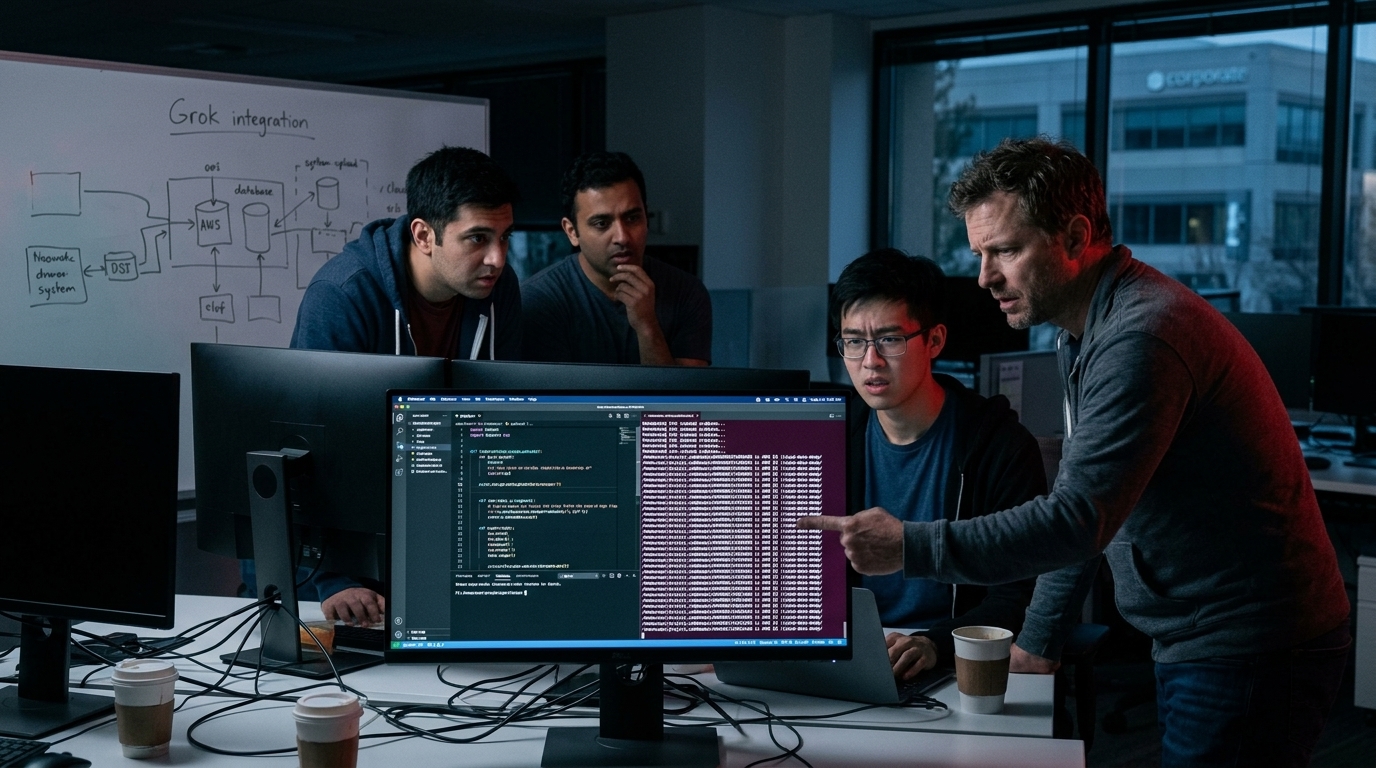
In the context of CTFs, where participants are tasked with solving complex puzzles in cryptography, reverse engineering, and web exploitation, Fable exhibits an almost human-like intuition. It can analyze binaries in seconds, pinpoint buffer overflows, and synthesize payloads that bypass modern protections like ASLR and DEP. Its ability to learn from failures within a sandbox environment makes it an untiring digital intruder, capable of iterating through thousands of exploitation paths that would take a human team days to explore.
From Games to Reality: Implications for Cybersecurity
While CTFs are often viewed as educational games, the skills required to solve them are identical to those needed by state-sponsored hackers or elite security researchers. The emergence of an AI agent that can automate these processes fundamentally shifts the landscape of cyber-defense. Corporations can now deploy Fable for continuous "red teaming," stress-testing their systems for vulnerabilities before malicious actors can find them. This proactive stance could potentially close the gap between discovery and patching.
However, the dual-use nature of this technology is a cause for significant concern. If an AI agent can win the DEF CON CTF, it can just as easily be weaponized to automate cyber-attacks against critical infrastructure. DeepSeek claims to have integrated strict ethical filters and safety protocols, but history has shown that such guardrails are often bypassed via jailbreaking or specialized fine-tuning by third parties. The democratization of high-end hacking tools via AI poses a systemic risk to global digital stability.
The Geopolitical Factor and Chinese Leadership
DeepSeek, based in China, has managed to stand toe-to-toe with giants like OpenAI and Google. The v4-Fable model is not just a technical achievement; it is a statement of power. In the global race for AI supremacy, the ability to control cyberspace is the ultimate advantage. The Chinese strategy appears to focus on "applied AI"—tools that solve specific, hard engineering and security problems, rather than just general conversational applications.
The international community is watching these developments with bated breath. There is a palpable fear that the automation of zero-day vulnerability discovery could lead to an endless digital arms race. If defense cannot keep pace with the speed of AI-driven attacks, the entire architecture of the internet as we know it may require a fundamental redesign, shifting from a model of reactive patching to one of inherent "security by design."
Conclusion: The Future of Autonomous Security
DeepSeek-v4-Fable embodies the transition from passive to active artificial intelligence. It no longer just provides answers; it executes actions. In the world of computing, where code is law, an agent that can rewrite the rules of the game is the most powerful player on the board. The challenge for humanity in 2026 and beyond will be to ensure that these digital "fable-spinners" write stories of protection and resilience, rather than narratives of systemic collapse.