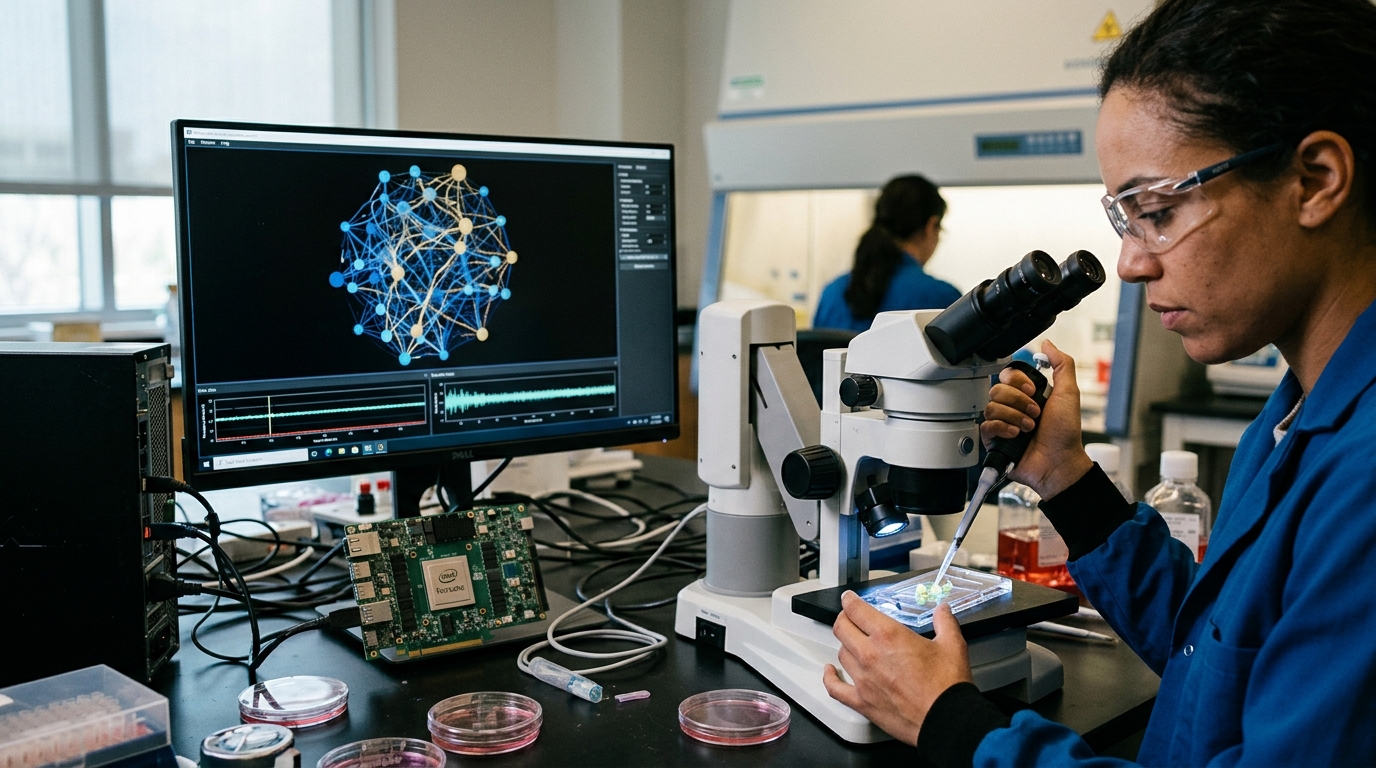
For decades, biomedical research has leaned on two main pillars: two-dimensional cell cultures in Petri dishes and animal testing. However, neither fully captures the intricate complexity of human physiology. The emergence of organoids—three-dimensional structures derived from stem cells that mimic the structure and function of real organs—promised to bridge this gap. Until recently, however, their production was a laborious, manual process, prone to human error and vast inconsistencies. Today, the integration of automation and Artificial Intelligence (AI) is radically transforming the landscape, turning a delicate 'art' into a precise, industrialized science.
The Scalability Bottleneck and Manual Labor
Cultivating organoids is a process requiring immense patience and extreme precision. Researchers must feed the cells specific nutrients, monitor their growth under microscopes, and intervene at critical stages of differentiation. This 'artisanal' approach meant that organoids were difficult to produce in large quantities for mass drug testing. Furthermore, two organoids grown by different scientists—or even the same scientist on different days—often exhibited significant variations, rendering experimental results unreliable.
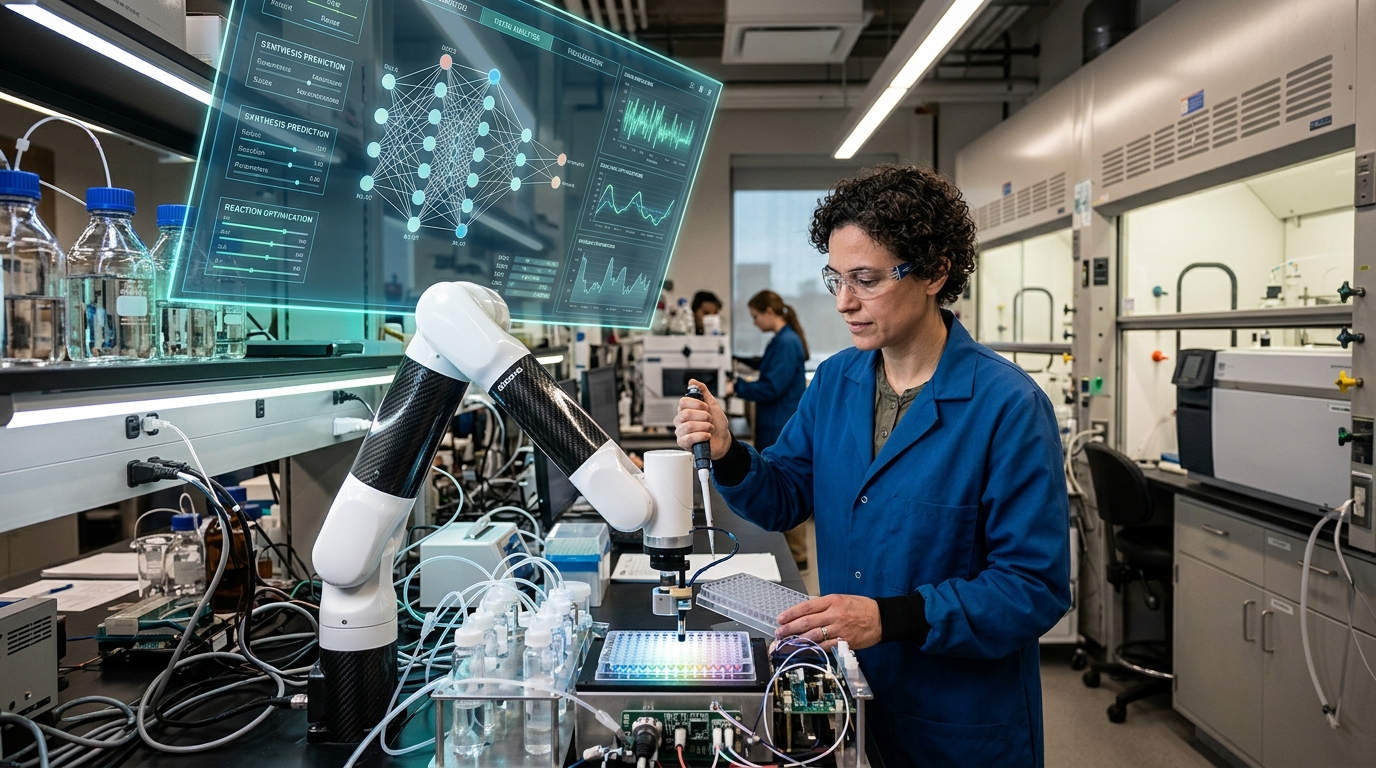
Automation addresses this problem through the use of robotic liquid-handling systems. These systems can execute the same movements thousands of times with microliter precision, eliminating the variability introduced by the human factor. Robots do not tire, they do not make dosing errors, and they can work 24/7, enabling the creation of thousands of identical organoids simultaneously.
AI as the 'Ever-Watchful Guardian' of the Lab
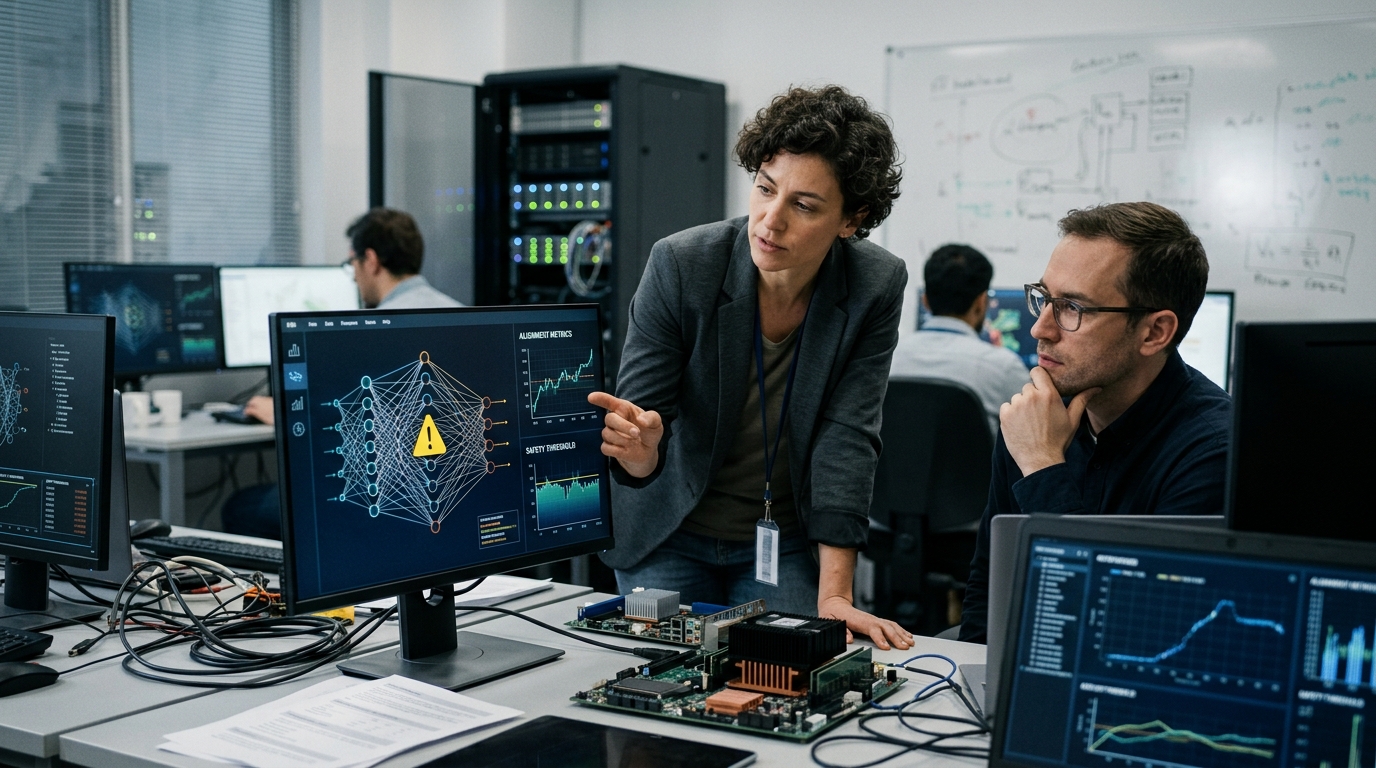
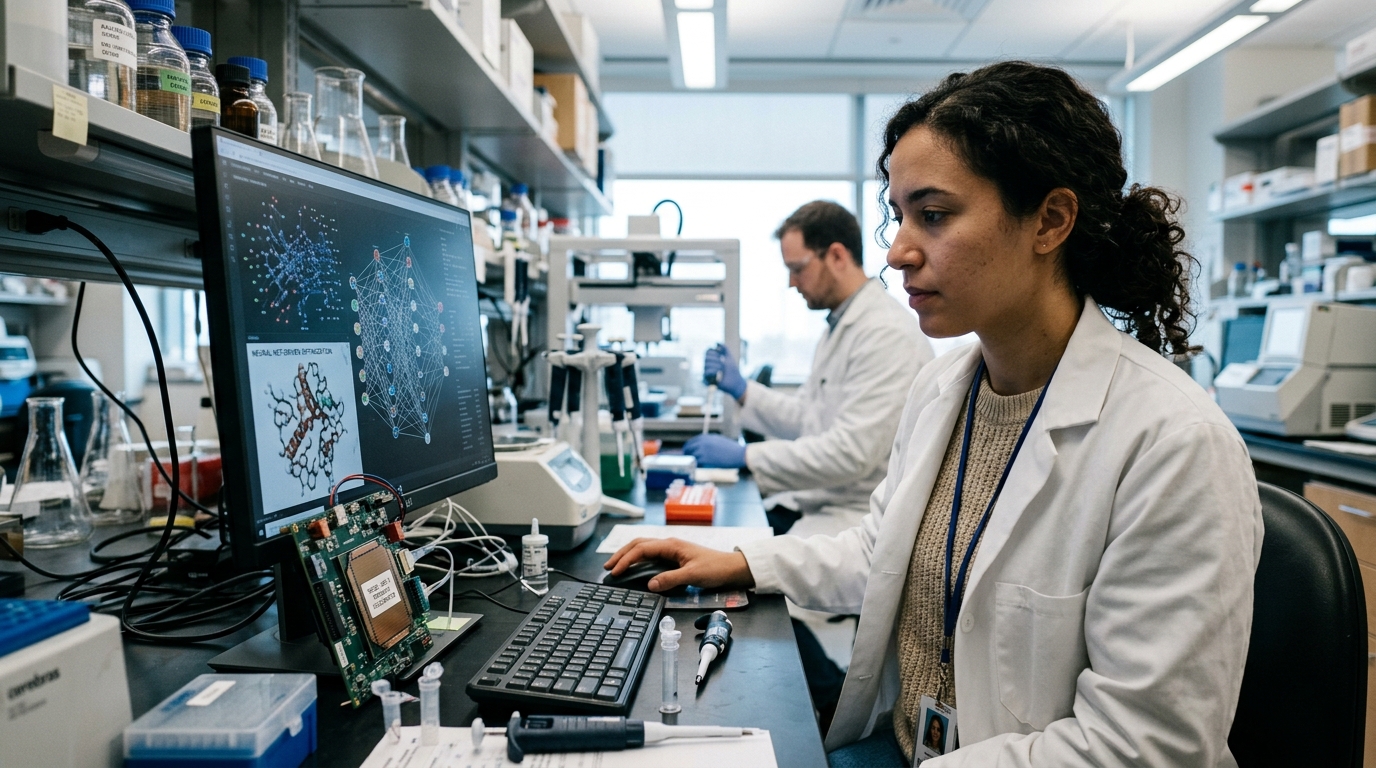
If automation represents the 'hands' of this new era, Artificial Intelligence provides the 'eyes' and the 'brain.' The use of computer vision allows for the continuous monitoring of organoids without the need for human supervision. AI systems analyze microscope images in real-time, identifying morphological features that indicate whether an organoid is developing correctly or showing signs of necrosis.
"The ability of AI to recognize patterns invisible to the human eye allows for the prediction of a culture's success days before physical symptoms become apparent," industry researchers note.
Furthermore, machine learning is employed to analyze the vast volumes of data generated from drug trials on organoids. Instead of scientists manually examining every sample, AI can rank the efficacy of thousands of chemical compounds within hours, dramatically accelerating the discovery process for treatments against diseases such as cancer, cystic fibrosis, and neurodegenerative disorders.
Towards Personalized Medicine
Perhaps the most significant application of this technological convergence lies in personalized medicine. Imagine a patient with a rare form of tumor. Doctors can take a biopsy, create thousands of organoids mimicking that specific patient's tumor using automated systems, and then test hundreds of different chemotherapy regimens on them. AI analyzes which drug kills the cancer cells most effectively without harming healthy tissue.
This 'clinical trial in a dish' approach reduces risk for the patient and increases the likelihood of treatment success. Simultaneously, the ability to mass-produce organoids reduces the need for animal testing, an issue of great concern to the global scientific community and the public for ethical reasons.
Challenges and Ethical Questions
Despite the excitement, the road ahead is not without obstacles. The cost of automated systems remains high, limiting access to large research centers and pharmaceutical giants. There is also the issue of standardization: the scientific community must agree on common protocols so that data generated by an AI in one lab is comparable to that of another.
Finally, the creation of increasingly complex organoids, especially 'brain organoids,' raises profound ethical questions. While we are far from creating consciousness in a lab, the ability of organoids to develop neural networks that respond to stimuli is forcing bioethicists to redefine the boundaries of research. AI and automation are simply accelerating our arrival at this ethical crossroads.