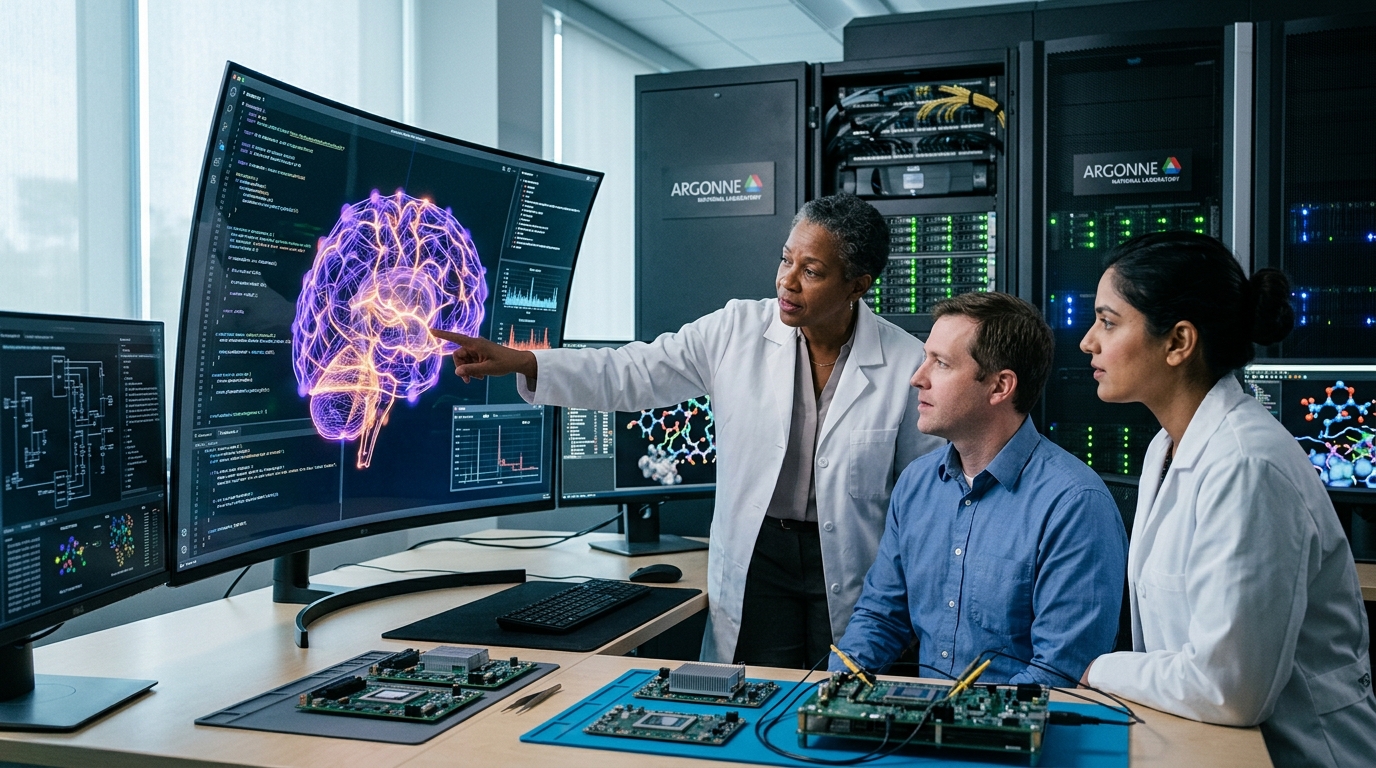
In an era where Artificial Intelligence (AI) is fundamentally reshaping the scientific landscape, Argonne National Laboratory (ANL) has made a landmark announcement. The launch of its new high-performance computing (HPC)-backed AI research service marks a decisive transition from mere data processing to the age of "AI for Science." This move is not just an infrastructure upgrade; it is a strategic maneuver aimed at accelerating breakthroughs in critical fields such as climate change, biology, and materials science.
The Convergence of Supercomputing and AI
For decades, traditional scientific research relied on simulations running on classical supercomputers. However, the rise of Large Language Models (LLMs) and generative AI has necessitated a new architecture. The Argonne Leadership Computing Facility (ALCF) AI Testbed is specifically designed for this purpose: providing researchers with access to specialized hardware that goes far beyond the capabilities of standard Graphics Processing Units (GPUs).
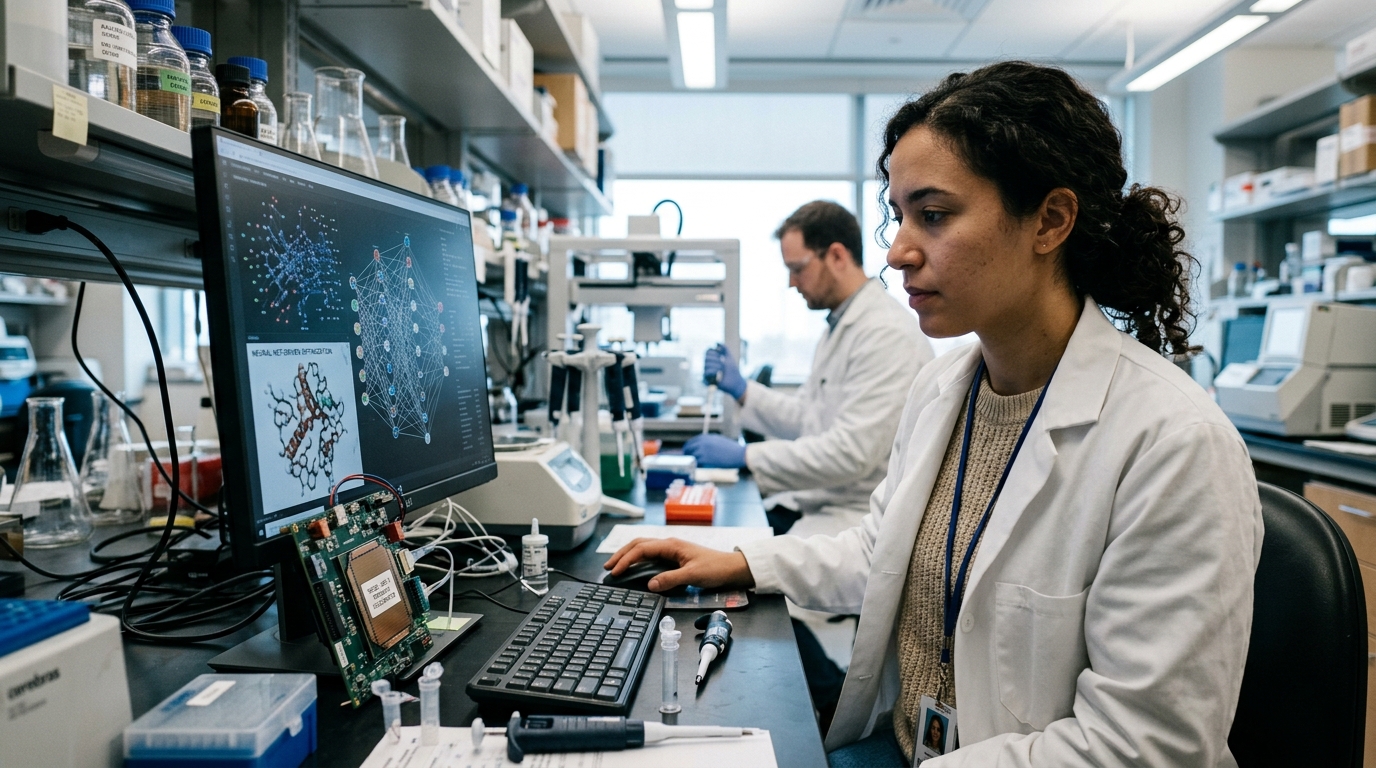
At the heart of this initiative lies the need for "AI accelerators" — chips designed exclusively to handle the massive training and inference demands of neural networks. By integrating systems from companies like Cerebras, Graphcore, Groq, and SambaNova, Argonne offers an ecosystem where scientists can test which architecture best fits their specific problem. This "democratization" of access to cutting-edge hardware is vital, as the cost of such infrastructure is often prohibitive for individual university departments.
Applications That Change the World
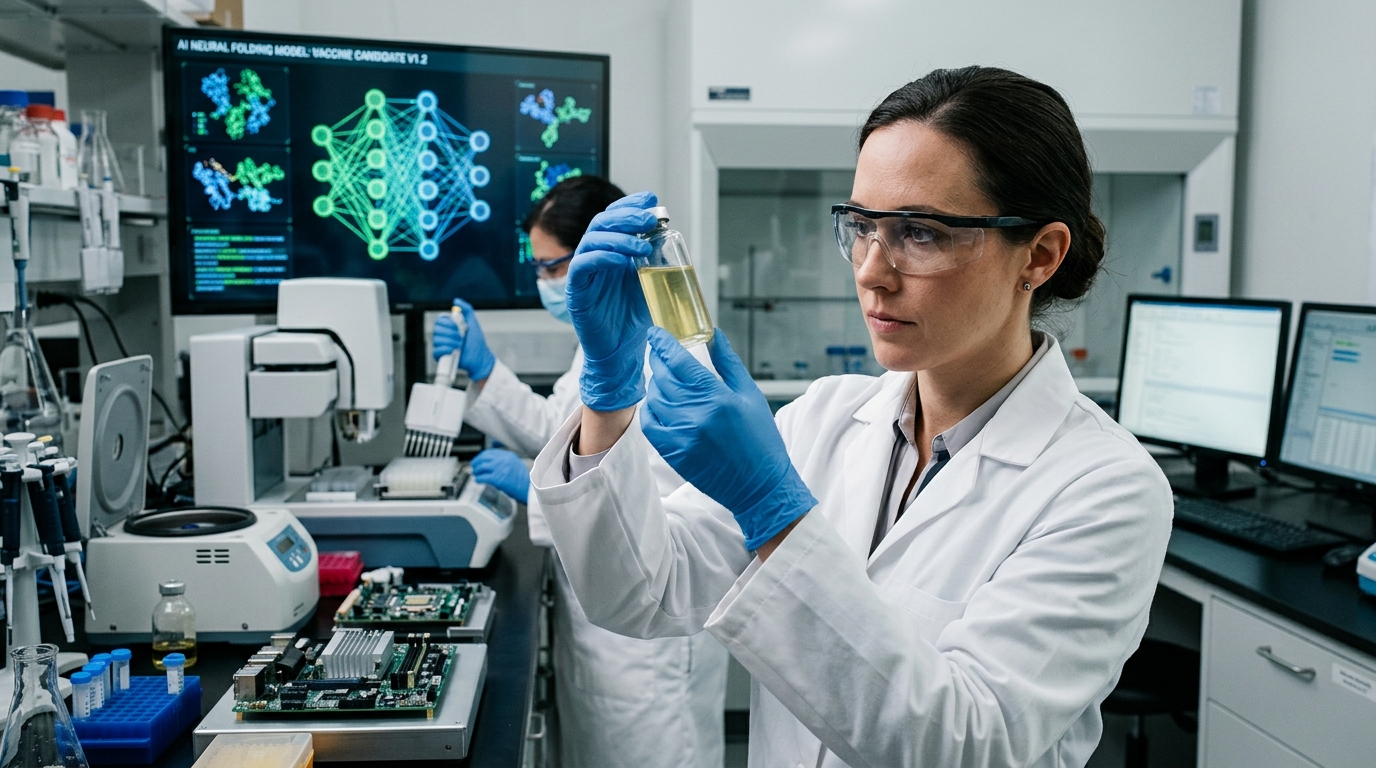
But what does this power mean in practice for the average citizen? The applications are multifaceted. In medicine, using AI via Argonne’s infrastructure allows for the analysis of protein structures in timeframes that previously would have taken years. This accelerates the development of new drugs and vaccines, reducing both the cost and the time it takes for treatments to reach patients.
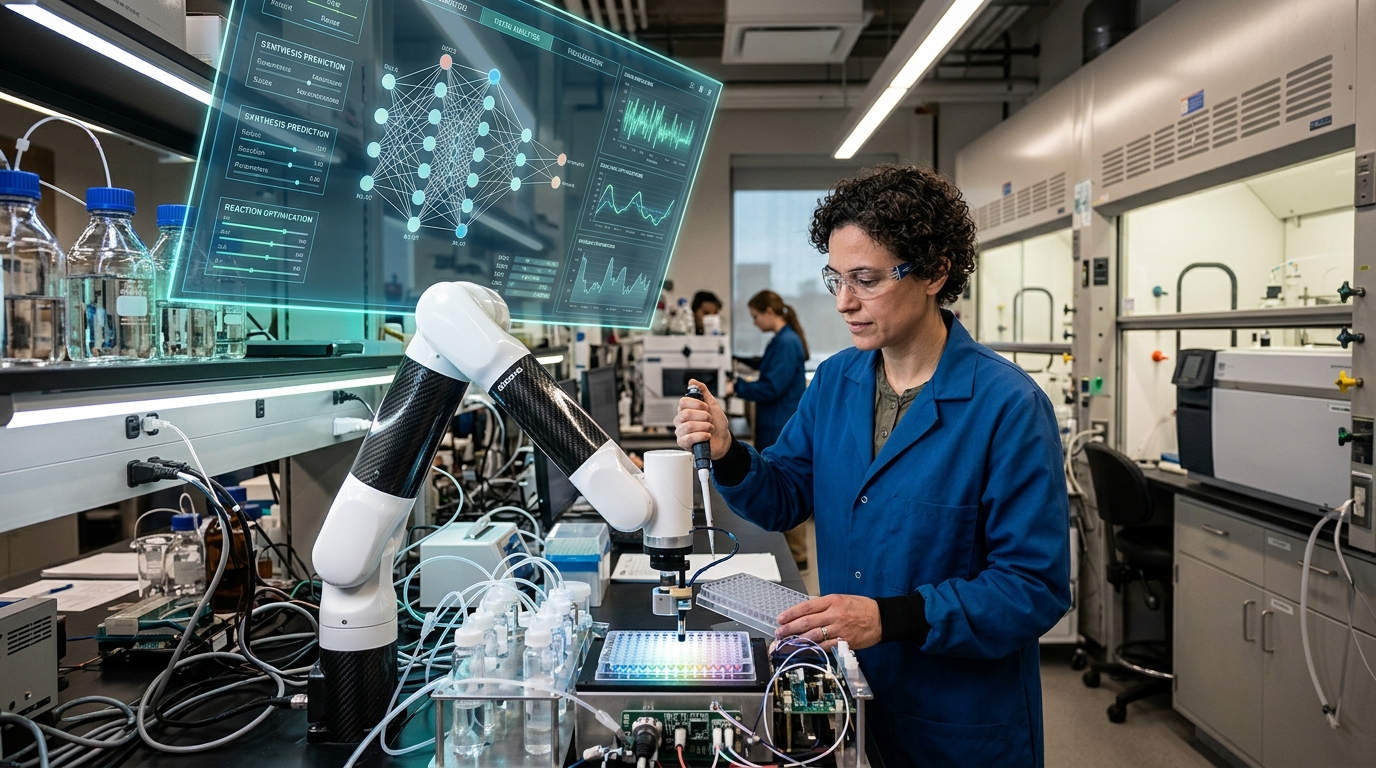
In the energy sector, researchers are utilizing the AI Testbed to optimize the design of fusion reactors and discover new materials for high-capacity batteries. AI’s ability to sift through billions of potential chemical combinations and suggest the most promising ones is a game-changer. Instead of thousands of failed experiments in the lab, scientists start with a list of "smart" choices that have already been digitally evaluated.
- Acceleration of climate modeling for more accurate predictions of extreme weather events.
- Development of next-generation semiconductors through AI-driven design.
- Optimization of supply chains and energy distribution networks.
Strategic Sovereignty and the Global AI Race
One cannot ignore the geopolitical dimension of this development. The race for AI supremacy is not just about Silicon Valley and chatbots; it is about national security and economic power. The U.S. Department of Energy’s (DOE) investment in Argonne is a clear response to global challenges, ensuring that the American scientific community has the tools to remain at the forefront. The integration of these services with the Aurora supercomputer—destined to be one of the world's most powerful exascale systems—will create an unprecedented computational continuum.
"21st-century science will not be conducted with test tubes alone, but with algorithms that learn from the universe," notes one of the project's lead researchers.
In conclusion, Argonne's new service is more than a technical achievement. It is the promise of a new methodology, where human intuition is augmented by artificial intelligence to solve humanity's most pressing problems. As we move toward 2027, the convergence of HPC and AI will be the primary engine of global innovation.