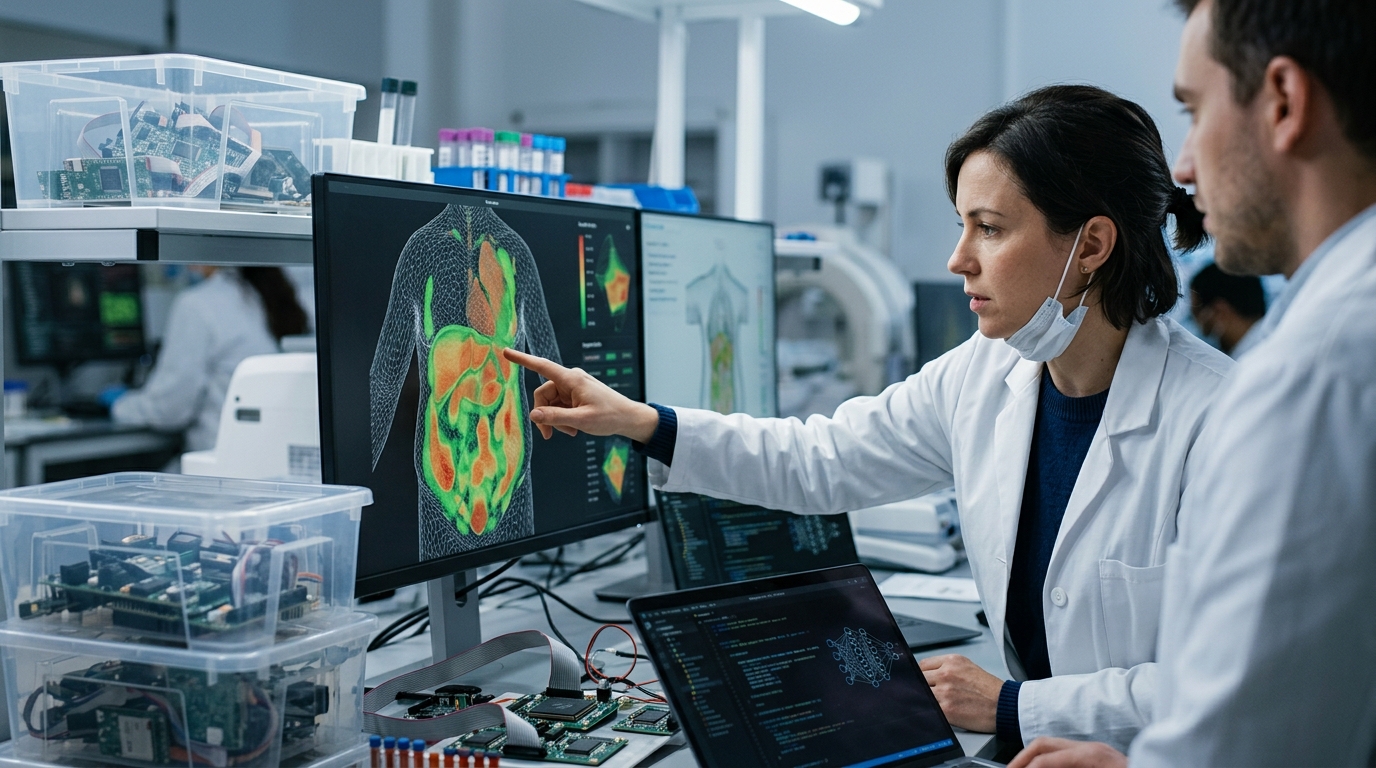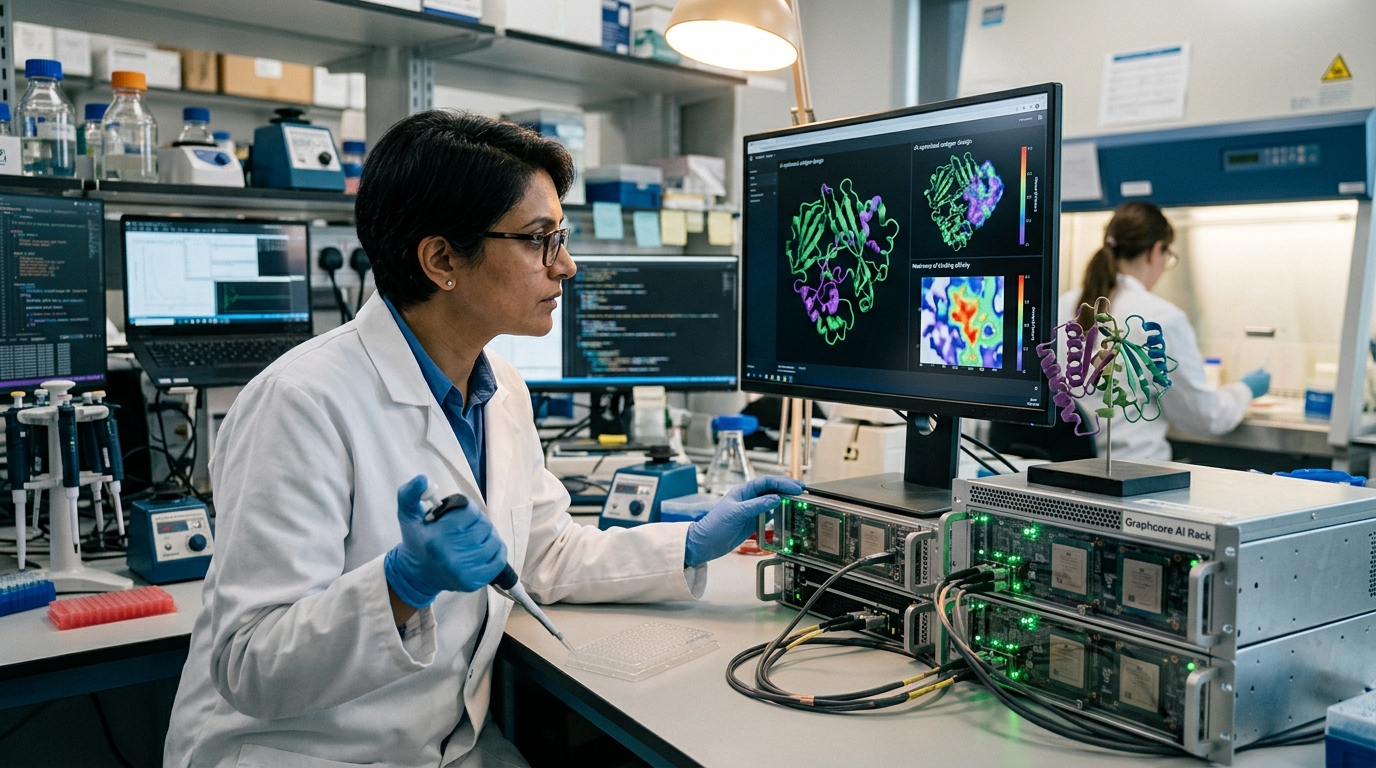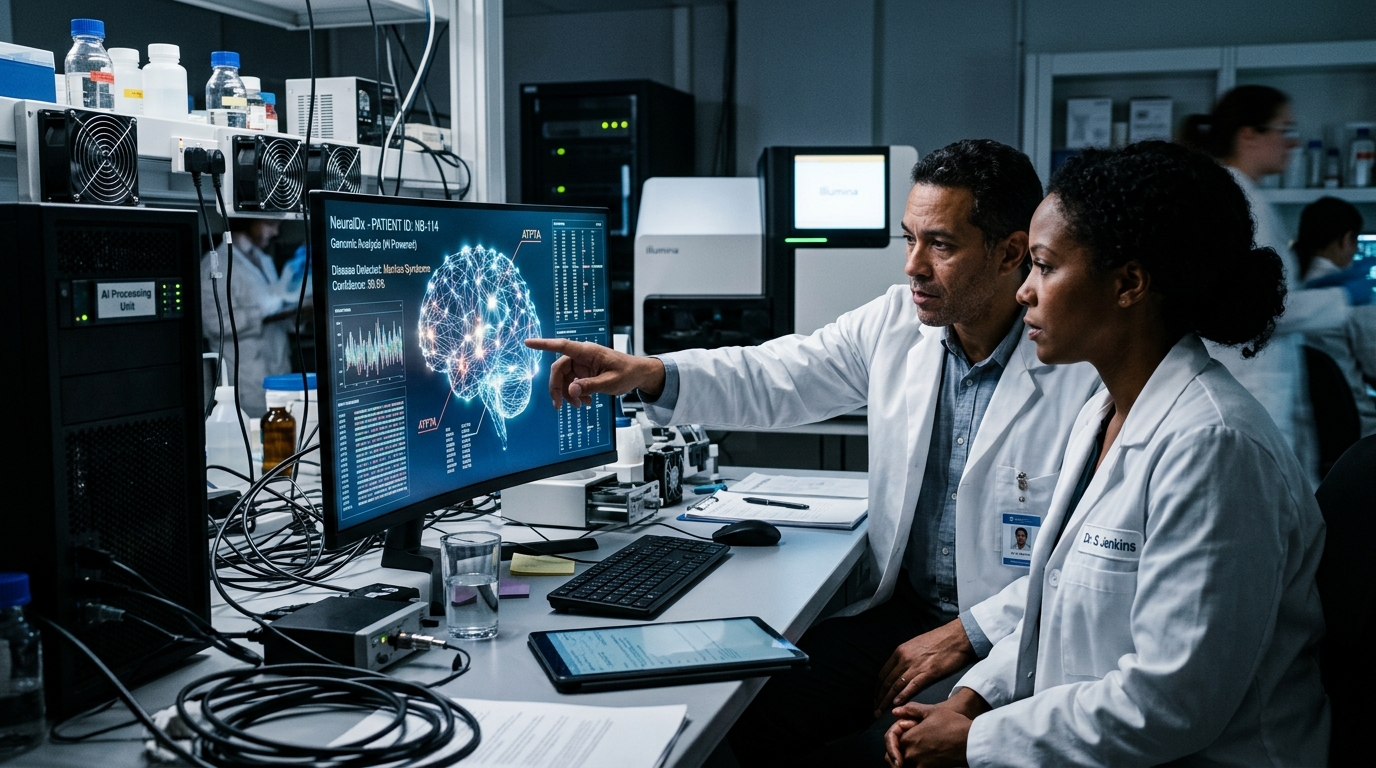
In the high-stakes environment of a Neonatal Intensive Care Unit (NICU), doctors often find themselves in a race against an invisible clock. For one newborn suffering from a mysterious, life-threatening condition, that race was won not by human intuition alone, but by the analytical prowess of Artificial Intelligence. As reported by Stat News, the use of AI in genomic medicine has reached a tipping point, turning what used to be a years-long 'diagnostic odyssey' into a matter of hours. The result, described by clinicians as being 'almost like a light switch,' marks a historic shift in how we approach rare pediatric diseases.
The Needle in the Genomic Haystack
Rare diseases are a paradox: while each specific condition affects a small number of people, there are over 7,000 known rare diseases, collectively affecting roughly 300 million people worldwide. For infants, the challenge is even more acute. Their inability to communicate symptoms and the rapid progression of genetic disorders make traditional diagnostics agonizingly slow. The human genome consists of approximately 3 billion base pairs; finding a single mutation that causes a disease is the ultimate needle-in-a-haystack problem.
In the case of this newborn, standard clinical protocols were failing. The infant’s condition was deteriorating, and the symptoms didn't neatly fit any known clinical profile. This is where AI stepped in. By utilizing Whole Genome Sequencing (WGS) paired with advanced AI algorithms, medical teams were able to bypass the manual labor of sorting through thousands of genetic variants that are benign, focusing only on those likely to cause the observed symptoms.
How the AI 'Light Switch' Works
The AI systems used in these breakthroughs—such as those developed by firms like Fabric Genomics or Moon—operate by integrating two streams of data. First, they ingest the raw genetic sequence of the patient. Second, they process the clinical notes and symptoms (the phenotype) using Natural Language Processing (NLP). The AI then cross-references this information against a global database of medical literature and known pathogenic variants.
In this specific instance, the AI identified a rare metabolic disorder within hours. What makes this case truly remarkable is that the diagnosis immediately pointed to a highly effective, existing treatment. It wasn't a complex gene therapy or an experimental drug; it was a specific dietary adjustment and a common supplement. Within days of starting the AI-recommended path, the infant's condition stabilized and then improved dramatically.
"It wasn't just a gradual recovery; it was as if we finally found the right key for the lock. The transformation was nearly instantaneous," noted one of the lead physicians.
Scalability and the Ethics of Access
While the scientific triumph is undeniable, it brings to the forefront critical questions about global health equity. Currently, rapid genomic sequencing supported by AI is an expensive luxury available only at elite institutions. As we move into 2026, the gap between 'genomic-haves' and 'genomic-have-nots' threatens to widen. If AI can save a child’s life in four hours, is it ethical that such technology remains inaccessible to the vast majority of the global population?
Furthermore, the 'black box' nature of some AI algorithms remains a concern for the medical community. While the AI in this case was successful, clinicians must remain the final arbiters of truth. There is a risk of over-reliance on algorithmic output, which could lead to misdiagnosis if the underlying training data is biased or incomplete. Ensuring that AI serves as a 'co-pilot' rather than an autonomous decision-maker is essential for patient safety.
The Dawn of Precision Pediatrics
The success of AI in treating this newborn is a harbinger of a new era: Precision Pediatrics. We are moving away from 'one-size-fits-all' medicine toward a model where every critically ill child could have their genome sequenced and analyzed by AI upon admission. This would not only save lives but also significantly reduce healthcare costs by avoiding unnecessary tests and prolonged hospital stays.
The implications extend beyond the NICU. The lessons learned here—how to integrate AI into clinical workflows and how to interpret complex genetic data in real-time—will eventually trickle down to adult medicine, helping diagnose rare cancers and autoimmune disorders. The 'light switch' moment for this newborn was also a light switch moment for the field of medicine at large, illuminating a future where no disease is too rare to be understood or too hidden to be treated.