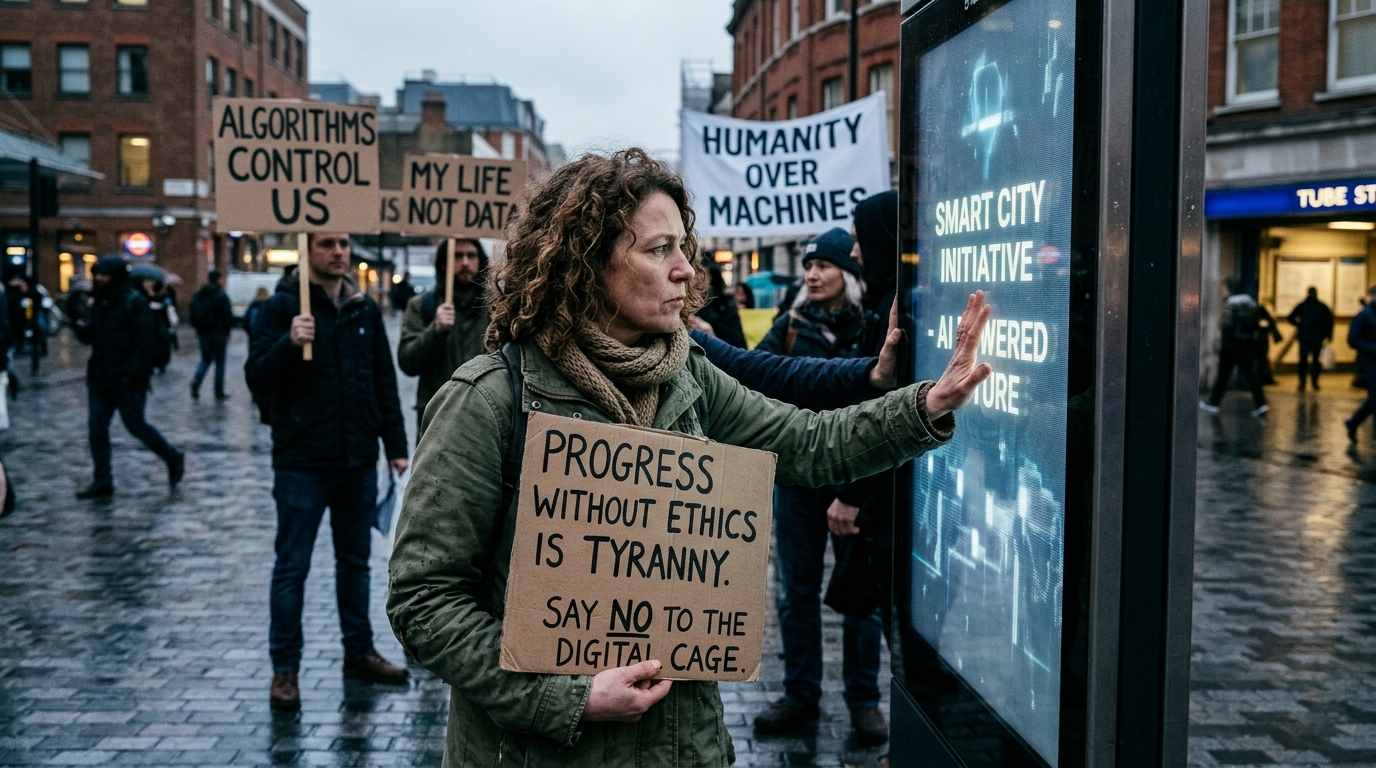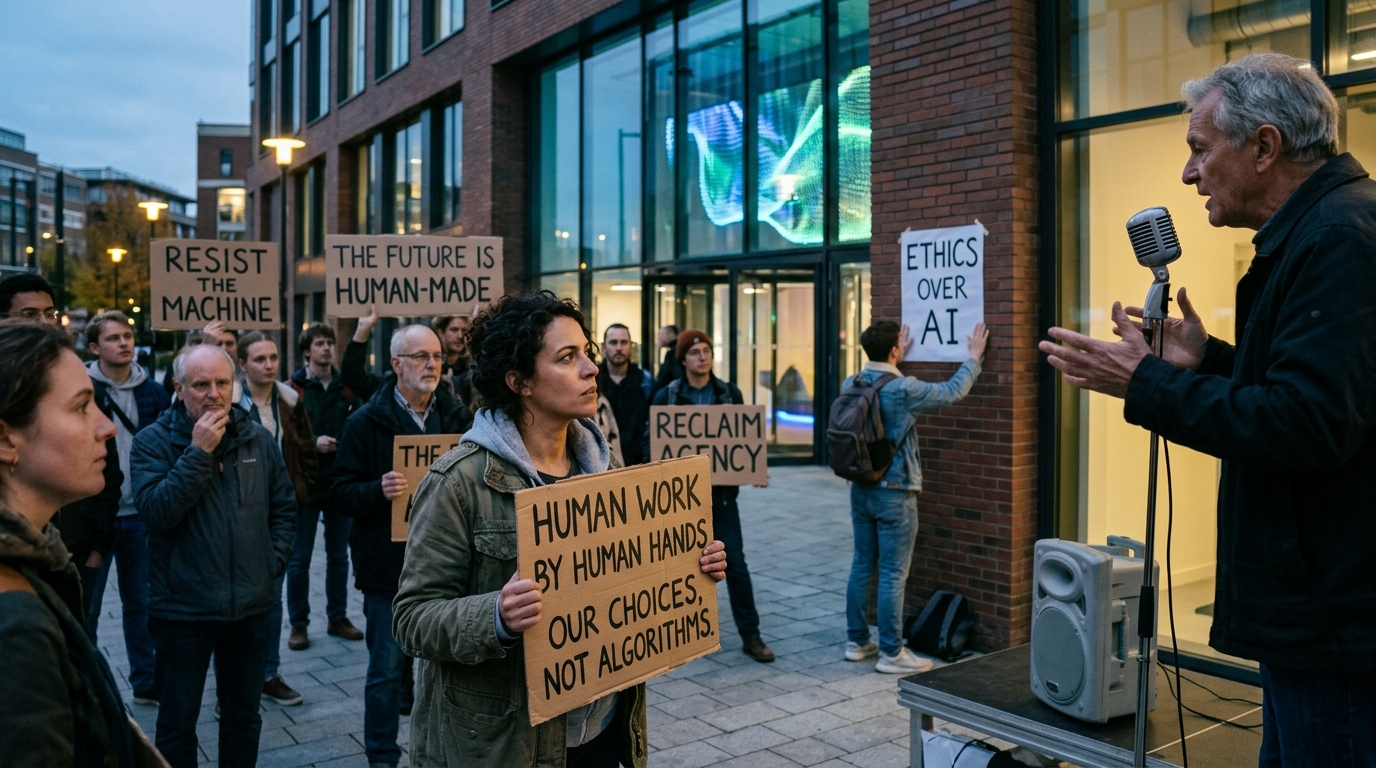
In May 2026, the long-promised AI utopia is facing a formidable and unexpected adversary: the human spirit. According to recent reports from the Wall Street Journal and other leading analysts, a wave of "AI rebellion" is gaining significant momentum across the United States. This movement is characterized by a growing rejection of algorithmic ubiquity by consumers, workers, and creators alike, marking a pivotal shift from technological awe to cultural skepticism. What was once hailed as an inevitable evolution is now being reframed as a battle for the preservation of human agency.
The Fatigue of the 'Dead Internet'
The "Dead Internet Theory"—the idea that the majority of web traffic and content is generated by bots—has moved from the fringes of internet subculture into the mainstream consciousness. As of 2026, users are finding themselves drowning in a sea of synthetic mediocrity. From AI-generated news articles that lack nuance to social media feeds cluttered with uncanny valley imagery, the novelty has worn off, replaced by a profound "AI fatigue." This has sparked a counter-cultural movement favoring "Analog-First" experiences. In major urban centers, we are seeing the rise of offline social clubs and a premium market for goods and services that explicitly guarantee zero AI involvement in their creation.
Labor Unions and the Sovereignty of the Self
The rebellion is most visible on the economic front. Building on the momentum of the 2023-2024 strikes, American labor unions have expanded their demands beyond simple job security. They are now fighting for "ontological rights"—the right to own one's likeness, voice, and creative output in perpetuity. The WSJ notes that this isn't just about protecting paychecks; it’s about preventing the wholesale cannibalization of human experience by Large Language Models (LLMs). Professionals in fields ranging from law to graphic design are forming coalitions to boycott platforms that use their data for training without transparent opt-in mechanisms and significant royalties.
- The emergence of "100% Human-Made" certification labels in retail and digital marketplaces.
- A significant increase in the sales of physical media (vinyl, printed books, film photography).
- State-level legislative pushes to ban AI-driven grading and hiring algorithms.
- Widespread public protests against the use of generative AI in political campaigning.
Legislative Backlash and the Transparency Mandate
Public sentiment is rapidly translating into political action. Across the U.S., bipartisan support is growing for the "Right to Know" acts, which would mandate clear, indelible watermarking on all AI-generated content. Legislators are responding to a citizenry that feels increasingly gaslit by synthetic realities. The concern is no longer just about misinformation, but about the erosion of shared reality. This legislative push is a direct result of the "rebellion," as voters demand that the government step in to regulate the pace of integration, ensuring that human cognitive labor is not devalued by subsidized compute power.
"We are not Luddites resisting a loom; we are citizens resisting the automation of the human connection," says a prominent advocate for digital ethics.
In conclusion, the American rebellion against AI represents a critical juncture in our relationship with technology. It is a collective realization that while efficiency is a virtue, it is not the ultimate human goal. As we navigate the complexities of 2026, the success of this movement will determine whether AI remains a sophisticated tool or becomes an architect of a world where human contribution is optional. The rebellion is not an end to progress, but a demand for a progress that includes us.