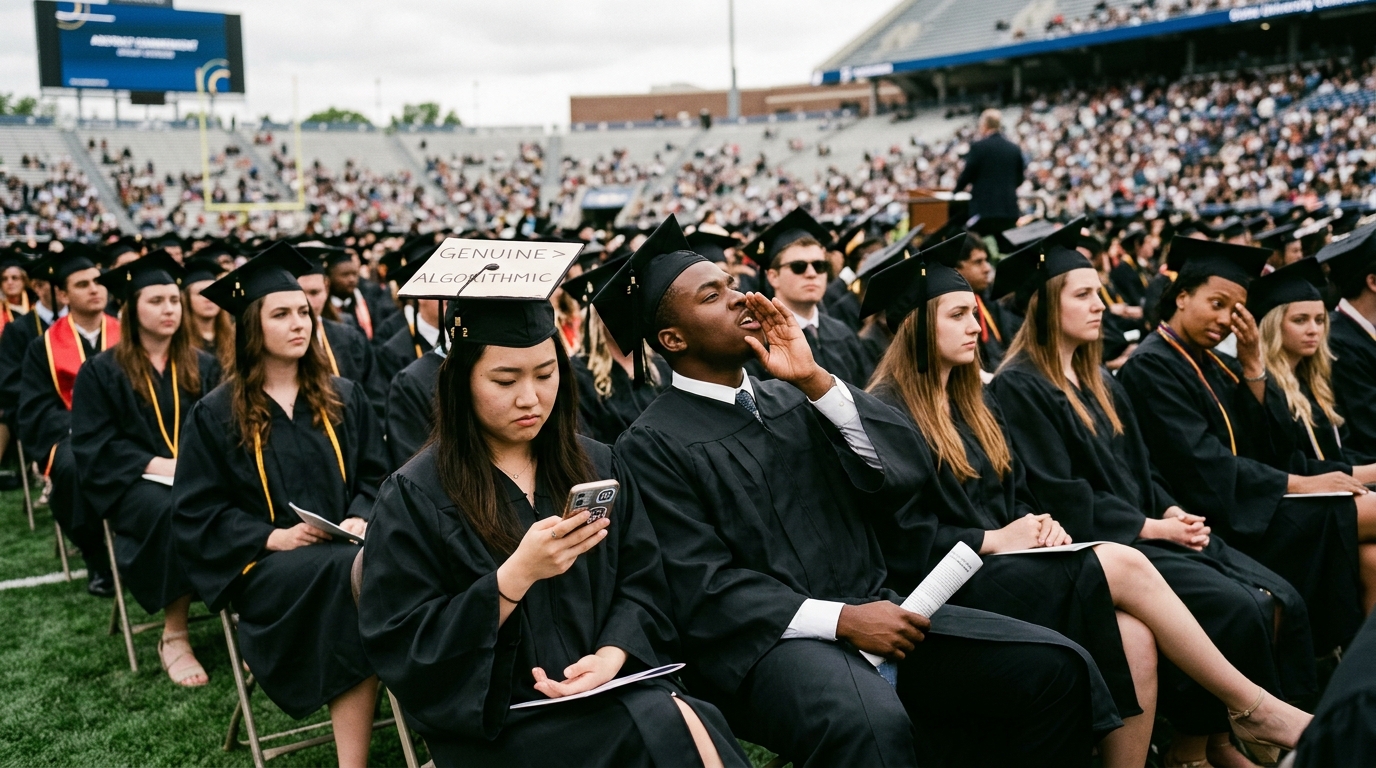
The commencement ceremony has always been a hallowed milestone in the academic journey—a moment where years of collective effort are distilled into wisdom and guidance for the future. However, in the spring of 2026, the atmosphere in the halls and stadiums of the world’s leading universities has shifted dramatically. In place of the traditional applause, a new, unsettling soundtrack has emerged: the sound of booing directed at speeches that ring "artificial."
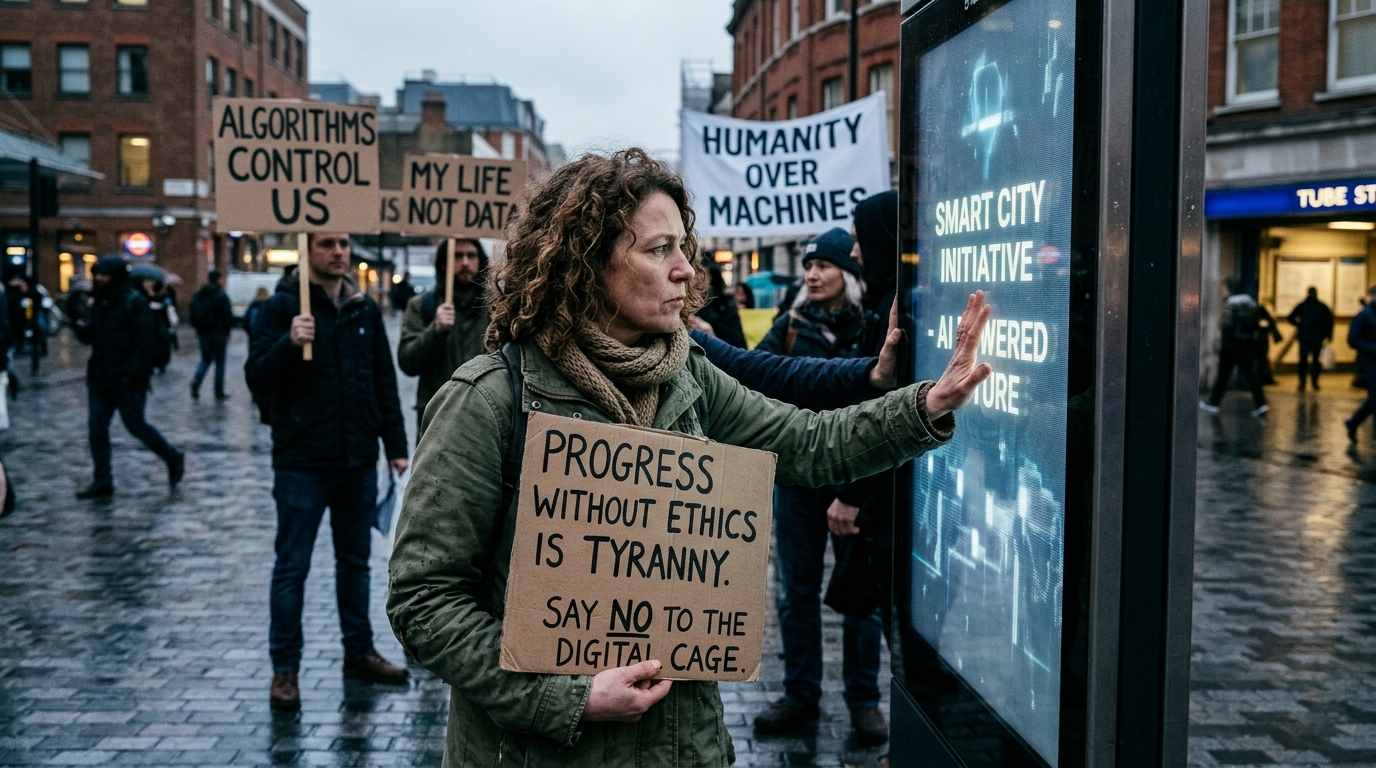
This phenomenon, recently analyzed by Nautilus, highlights a profound disconnect between the convenience offered by Generative AI and the younger generation’s craving for genuine, lived communication. Students, having spent their final years of education learning to distinguish truth from deepfakes, are refusing to accept algorithmic platitudes at the most significant moment of their lives.
The Trap of the "Algorithmic Platitude"
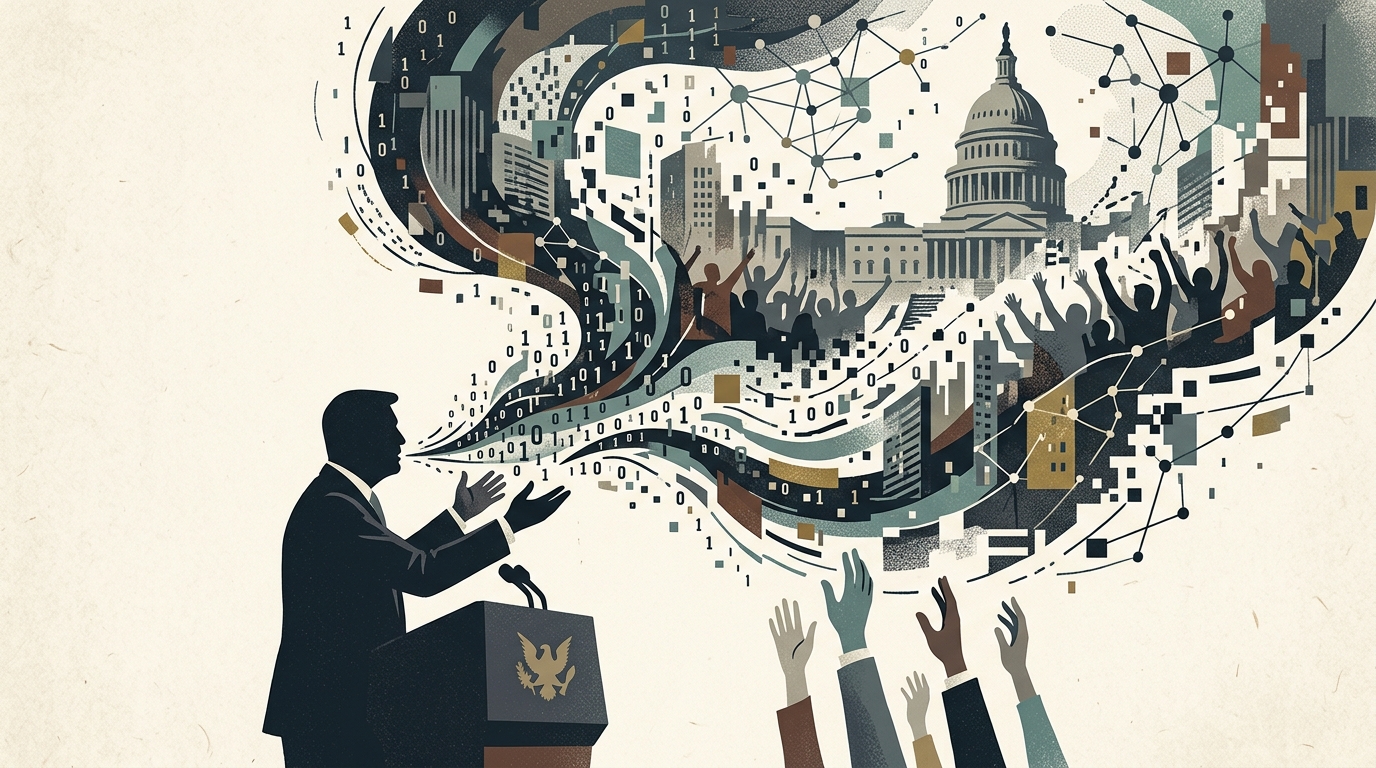
Why do AI-assisted speeches provoke such visceral reactions? The answer lies in the very nature of Large Language Models (LLMs). AI is exceptional at synthesizing the "average" of human thought. When asked to draft a commencement address, it draws from millions of previous speeches, resulting in a slurry of clichés: "follow your dreams," "failure is a stepping stone," "the future belongs to you."
These phrases, while traditionally acceptable, become perceived as hollow content when stripped of the speaker’s personal weight and unique voice. Gen Z and the burgeoning Generation Alpha have developed a hyper-sensitive radar for the inauthentic. For them, a speech written by ChatGPT isn't just lazy; it’s an insult. It signals that the speaker did not deem the graduates worthy of the time required for original thought.
Authenticity as the New Premium Currency
In a world saturated with synthetic content, authenticity has evolved into a form of rebellion. The boos at commencement ceremonies are not necessarily directed at the technology itself, but at intellectual surrender. The graduates of 2026 have navigated a global pandemic, the climate crisis, and rising economic instability. They demand that their leaders and role models speak to the complexity of reality, not reproduce idealized scenarios generated by a server farm.
"We don’t want to hear what an algorithm thinks we should feel. We want to hear about the scars, the failures, and the real hope of a human being who walked before us," said one MIT graduate following a heavily criticized address.
This reaction signals a broader cultural pivot. As AI becomes the default for content creation, human imperfection, raw delivery, and personal confession are gaining new value. The "perfectly" structured AI speech now feels suspicious, while the hesitant but sincere voice of a human is considered precious.
The Ethical Dilemma for Academic Institutions
Universities now find themselves in a precarious position. While they promote the integration of AI in research and teaching, they are confronting the ethical dimensions of its use in ceremonial events. Using AI in a commencement speech raises questions about intellectual property and integrity. If a student is penalized for using AI in their coursework, why is an honorary guest permitted to use it to address thousands?
- The need for transparency: Should speakers be required to disclose AI assistance?
- Re-evaluating rhetoric: Should we return to more extemporaneous and less "polished" speeches?
- Institutional responsibility: How are speakers selected, and what is their commitment to the audience?
In conclusion, the boos heard at the 2026 graduations are a cry for human connection. In an age where technology can simulate almost anything, our ability to be vulnerable, unpredictable, and real remains our only true advantage. Graduates are not asking for perfection; they are demanding truth.