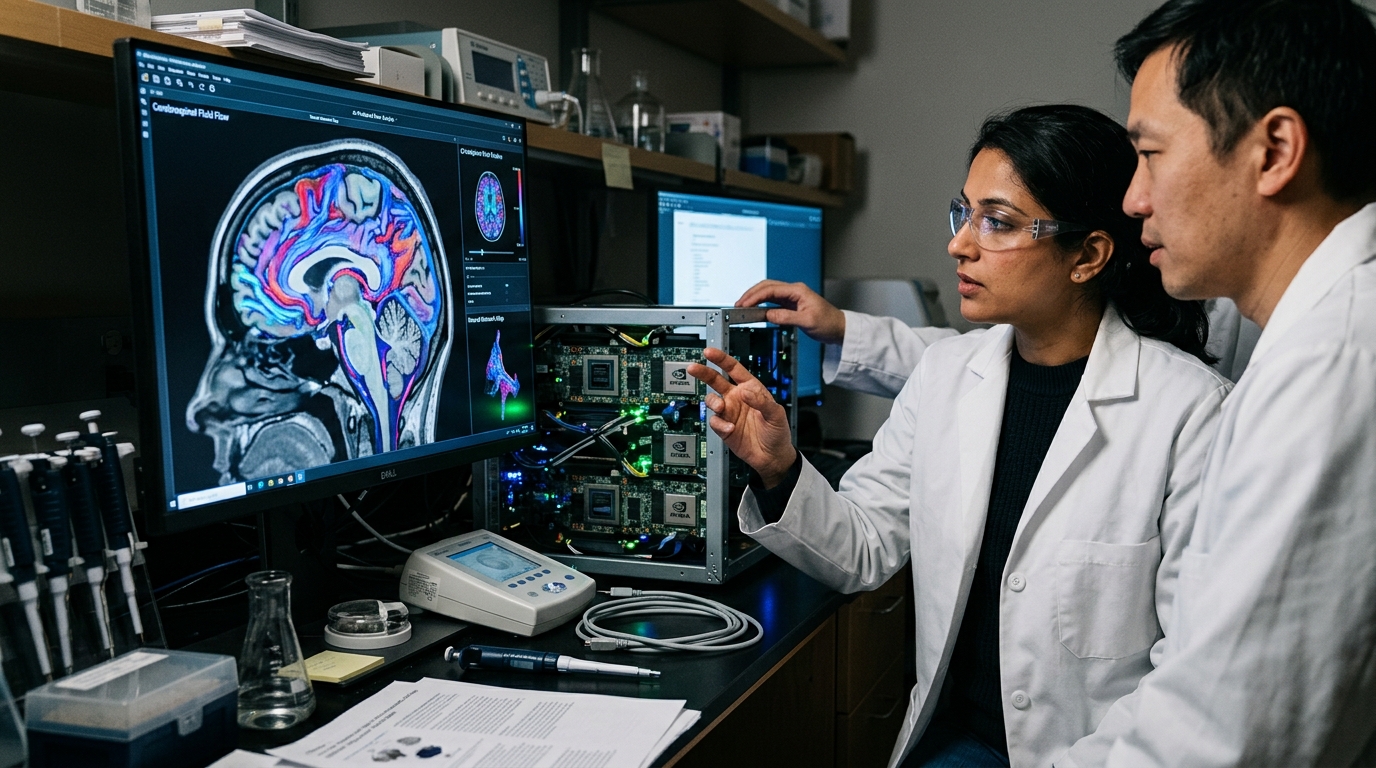
For decades, sleep remained one of biology's most profound enigmas. While we understood its necessity for survival, the precise mechanisms through which the brain rejuvenates itself remained largely invisible. Today, thanks to the convergence of neuroscience and Artificial Intelligence (AI), scientists have managed to "see" for the first time the intricate fluid flows that cleanse our brains during the night. This research, recently published and detailed by News-Medical, reveals hidden patterns of cerebrospinal fluid (CSF) flow that were previously impossible to capture using traditional imaging methods.
The Glymphatic System and the Imaging Challenge
The discovery of the glymphatic system about a decade ago radically altered our understanding of brain health. It is a functional waste clearance system that utilizes cerebrospinal fluid to flush out metabolic waste products, such as beta-amyloid protein—a primary hallmark of Alzheimer's disease. However, monitoring this system in living humans has long been a technological nightmare.
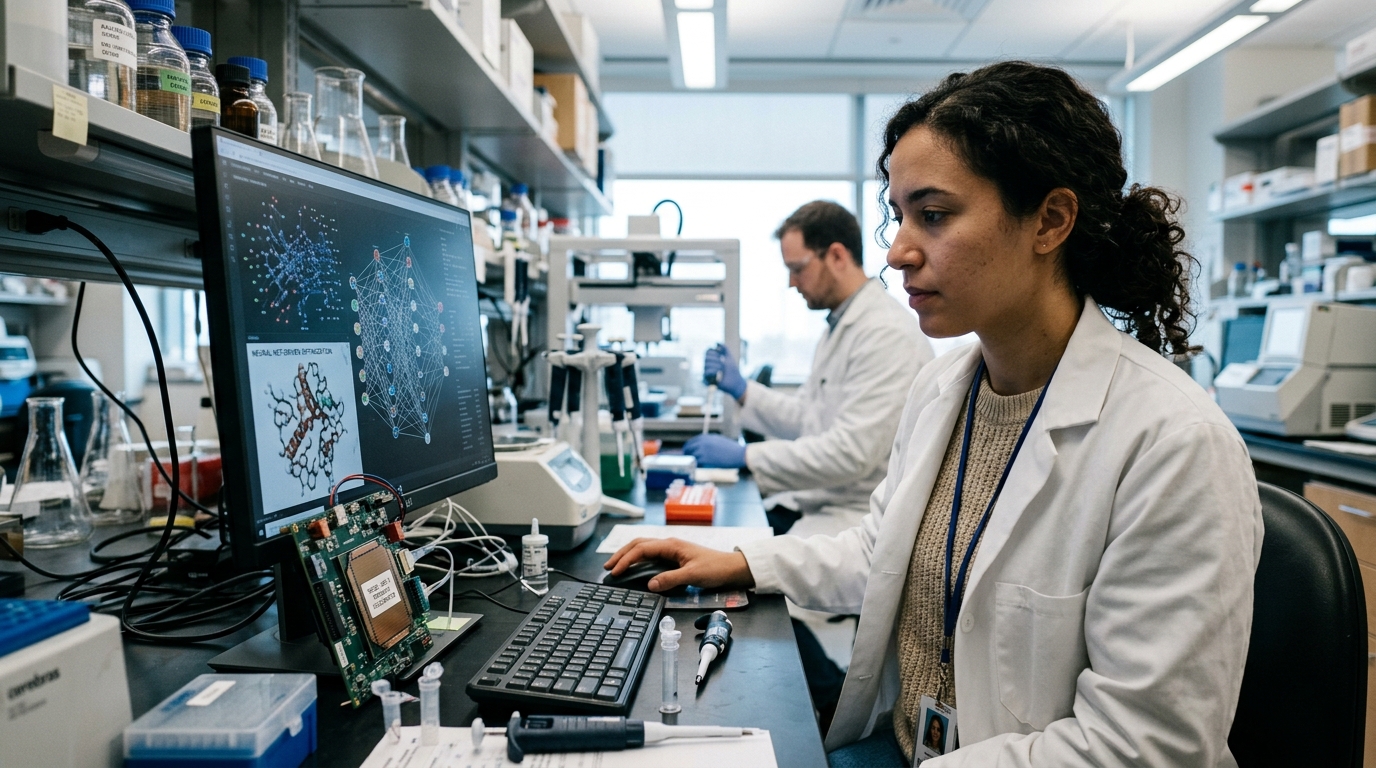
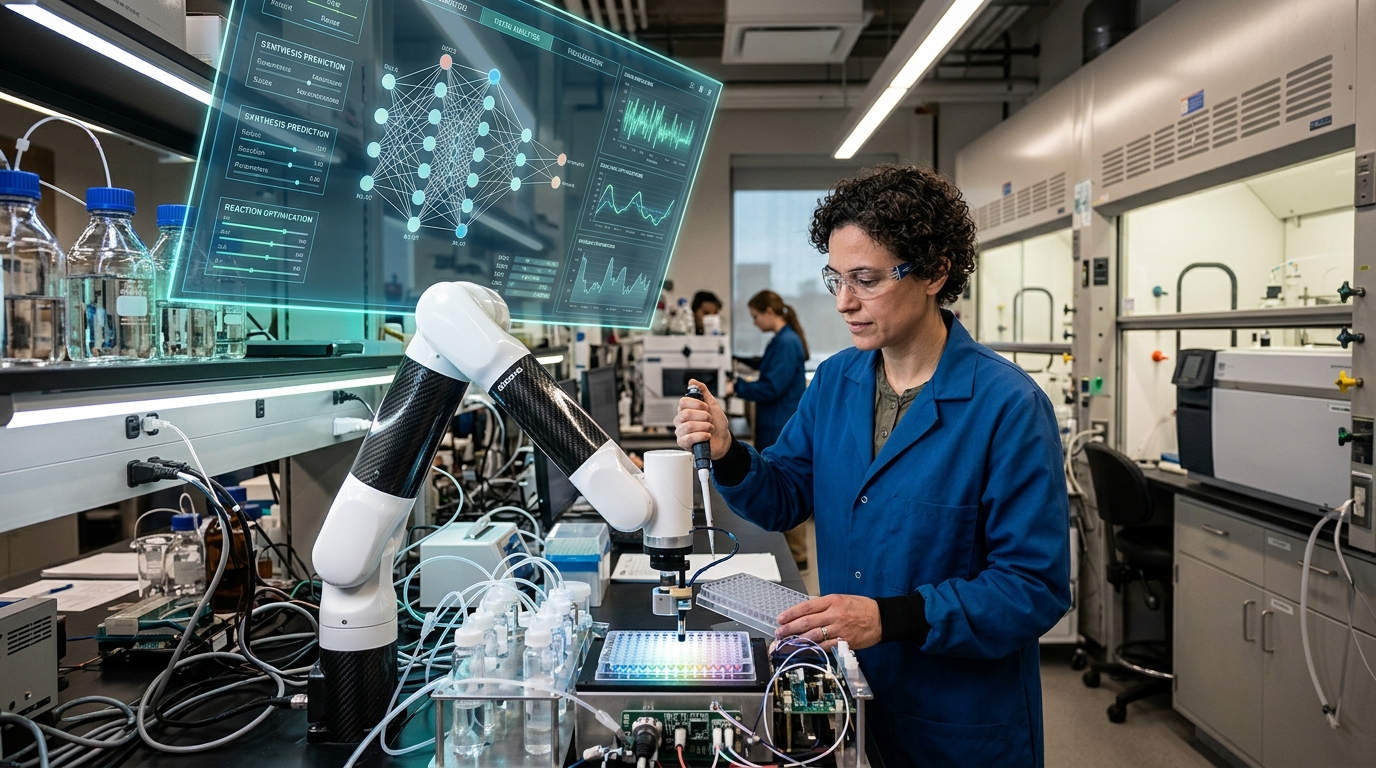
Magnetic Resonance Imaging (MRI) is limited by its temporal and spatial resolution. Fluid movement in the brain is slow, subtle, and heavily influenced by cardiac pulses and respiration. This is where Artificial Intelligence steps in. By employing advanced machine learning algorithms and Physics-Informed Neural Networks (PINNs), researchers have been able to synthesize data from static images and simulate dynamic fluid dynamics with unprecedented precision.
How AI Perceives the Invisible
The innovation of this new method lies in AI's ability to recognize patterns within the "noise" of data. Algorithms were trained to understand the laws of fluid mechanics within the constrained environment of the cranium. Instead of relying solely on what the scanner's lens captures, AI models fill in the gaps, predicting how fluid moves between neurons and blood vessels.
- Mapping Micro-flows: AI revealed that flow is not uniform but follows specific "highways" that activate only during deep sleep.
- Synchronization with Brain Waves: A remarkable coordination was found between the brain's electrical waves and the mechanical waves of the fluid, a process AI described as a "biological tide."
- Predictive Power: Analyzing these patterns can reveal early signs of dysfunction years before the first symptoms of dementia manifest.
The Political and Social Dimensions of Sleep
This study is not merely a scientific milestone; it is a stark warning regarding modern lifestyles. In a society that frequently sacrifices sleep on the altar of productivity, the revelation that the brain requires these "cleaning hours" to avoid toxic buildup is profound. AI demonstrates that sleep is not a passive state but an intensely active maintenance process.
"It is not just about measuring fluid velocity; it is about understanding the architecture of brain survival," the researchers noted.
The ability to use AI to diagnose issues within the glymphatic system paves the way for personalized medicine. In the future, a routine check-up analyzed by AI could inform us if our brain is "draining" correctly or if medical intervention is needed to enhance this flow, preventing neurodegenerative diseases before they become irreversible.
Conclusion
Artificial Intelligence is proving once again to be a powerful lens, allowing us to peer into the darkest and most complex corners of human existence. Unveiling the hidden flows of the brain during sleep is just the beginning. As models become more accurate, the line between biology and computational science will continue to blur, providing us with the tools to protect our most precious organ.